Mutated H3N2 Flu Virus Dominates 2026 Flu Season: What You Should Know
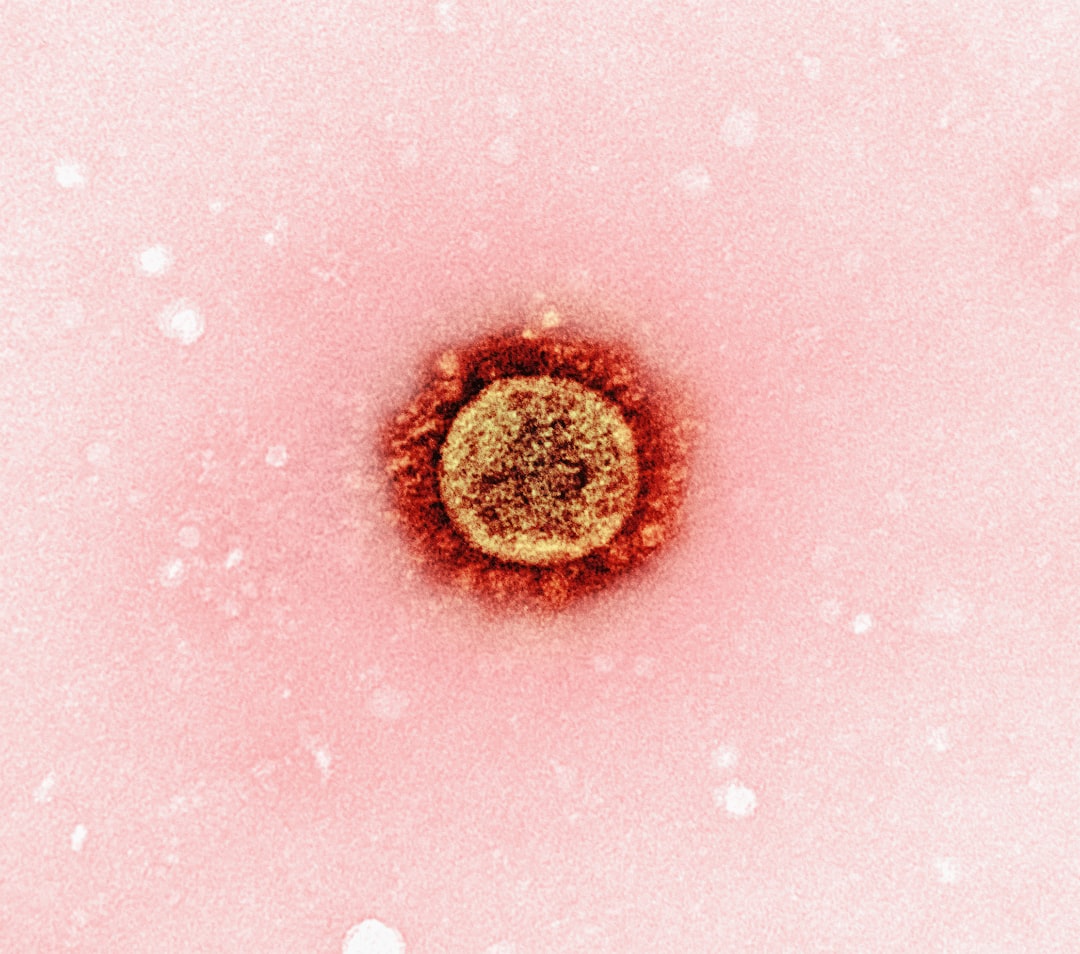
The H3N2 flu strain's mutation has made it more challenging this season, but vaccines still provide crucial protection against severe cases.
H3N2 Influenza Strain Mutation Sparks Concern in 2026 Flu Season
The 2026 flu season is proving to be particularly challenging in the United States, with the mutated H3N2 strain dominating cases and raising alarms. Health experts have identified a significant development in this highly contagious virus's evolution, underscoring the importance of understanding what this means for public health and how vaccines can help mitigate its severity.
What Happened to the H3N2 Strain?
In August 2026, scientists identified a new variant of the H3N2 flu strain, which underwent what virologists refer to as "antigenic drift." This term describes small, gradual changes in the influenza virus's surface proteins. These proteins, known as hemagglutinin and neuraminidase, allow the virus to disguise itself and evade the immune system's defenses.
This year's significant mutation has enabled the virus to bypass immunity from prior infections and the protection provided by the current seasonal flu vaccine. As a result, H3N2 has become the dominant strain, accounting for 88% of all influenza A infections in the United States this season. Historically, flu seasons dominated by H3N2 strains have been associated with higher hospitalization rates and more severe cases, making this year particularly concerning.
Why H3N2 Seasons Are Especially Severe
H3N2 flu seasons tend to strain healthcare systems more than others for several reasons. First, this strain spreads rapidly and disproportionately impacts older adults and individuals with pre-existing conditions. These groups are already at higher risk for complications, including pneumonia and worsening of chronic illnesses. Second, any mutation, such as this year’s antigenic drift, reduces the overall effectiveness of the flu vaccine, potentially leading to more widespread infections.
Hospitals typically experience increased admissions during H3N2 seasons due to the strain's impact. ICU beds fill up more quickly, and healthcare workers face a greater workload. Given that this year's variant has adapted to evade existing immunity, an uptick in severe cases is expected.
Should You Still Get the Flu Vaccine?
Despite the mutation, medical experts continue to emphasize the value of getting vaccinated. While the flu shot may not completely prevent infection with this H3N2 strain, it still offers substantial protection against severe disease and hospitalization. According to data from the Centers for Disease Control and Prevention (CDC), the vaccine can reduce the risk of severe outcomes by up to 30% in adults. This prevention is critical, as it lessens the likelihood of ICU admissions and associated complications.
Flu vaccines train the immune system to recognize and fight the virus more effectively, even when complete viral immunity isn't achieved. When more people are immunized, the overall burden on healthcare facilities decreases, benefiting the entire community.
Key Takeaways for the 2026 Flu Season
Navigating this year's challenging flu season requires being informed and proactive. Here are some essential points to keep in mind:
- H3N2 Mutation: A new variant emerged through antigenic drift, enabling the virus to evade immune defenses and dominate this season.
- Severity of H3N2: Historically, H3N2-dominant seasons lead to higher hospitalization rates and increased complications, especially for vulnerable populations.
- Vaccine Effectiveness: While less effective against the mutated strain, the flu vaccine continues to provide essential protection against severe illness, reducing the risk of ICU admissions by 30%.
How to Protect Yourself This Flu Season
Preventing the flu this season involves a combination of vaccination and basic hygiene practices. Here’s what you can do:
- Get Vaccinated: It's not too late to get your flu shot. While it may not prevent all infections, it will significantly lower your risk of severe disease.
- Practice Good Hygiene: Wash your hands frequently, avoid touching your face, and disinfect commonly touched surfaces.
- Stay Home When Sick: If you develop flu symptoms, such as fever, cough, body aches, or fatigue, stay home to avoid spreading the virus to others.
- Wear a Mask: In crowded public places, wearing a mask can reduce your risk of contracting or spreading the flu.
- Monitor Your Health: If you are in a high-risk group or your symptoms worsen, seek medical care promptly.
Conclusion
The 2026 flu season, dominated by a mutated H3N2 strain, presents significant challenges. This strain's antigenic drift has reduced vaccine effectiveness but not eliminated it, with the flu shot still protecting against severe outcomes. Public health officials encourage vaccination as a critical measure to mitigate the strain on healthcare systems and lower the risk of severe disease across the population. Staying informed and taking preventive steps will be vital in weathering this year's flu season.
Staff Writer
Ryan reports on fitness technology, nutrition science, and mental health.
Comments
Loading comments…


