Myanmar Faces Fuel Crisis and Political Controversy Amid Leadership Health Speculations
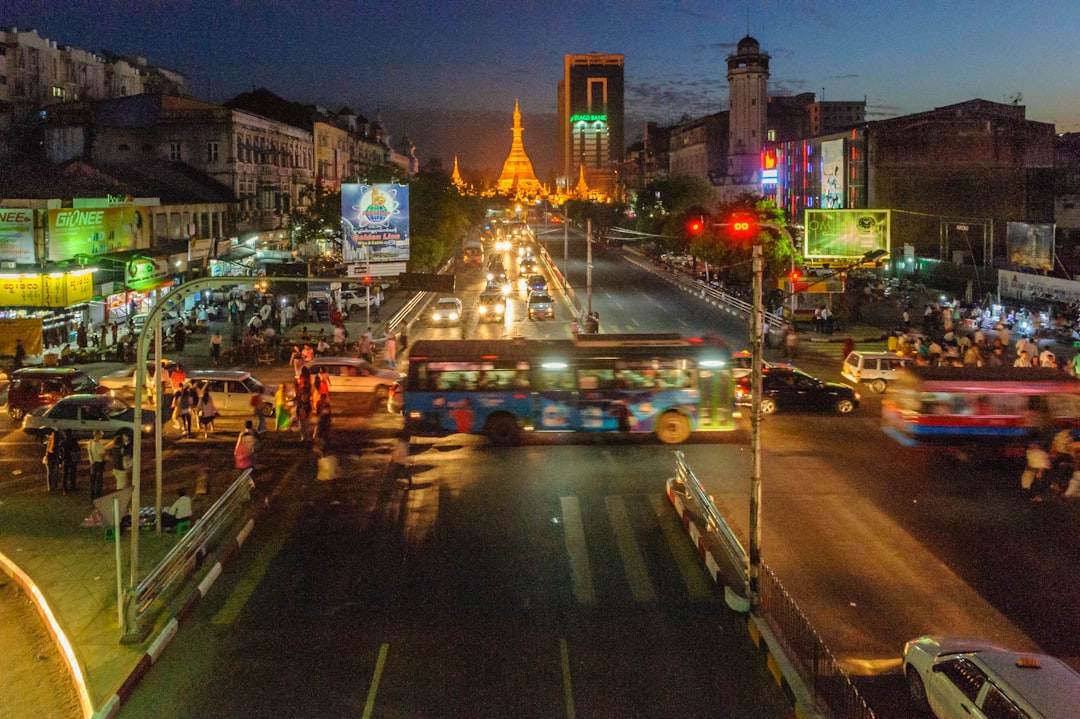
Myanmar grapples with a severe fuel crisis crippling key industries, while speculation grows around the health of military leader Min Aung Hlaing.
Myanmar is facing significant challenges on two critical fronts: a fuel crisis that has impacted the economy and speculation surrounding the health of military leader Min Aung Hlaing, raising questions about the country's political stability. These issues are unfolding simultaneously, exacerbating concerns among citizens and observers.
Fuel Crisis Disrupts Economy
The ongoing fuel shortage across Myanmar has brought the transportation and agricultural sectors to a standstill. According to industry reports, fuel prices on the black market have soared to over 200,000 kyats per barrel. This dramatic increase in fuel costs has created ripple effects that are threatening the country's economy.
Impact on Transportation and Goods Distribution
The lack of sufficient fuel has significantly hindered the movement of goods within Myanmar. Freight organizations, including the Myanmar Road Freight Service Providers Association, have expressed their inability to keep operations running smoothly. As a result, freight rates are escalating, putting extra strain on businesses and consumers.
The Association has appealed to the Union Federation of Myanmar Chambers of Commerce and Industry (UMFCCI) and oil companies for a solution. Proposals like rationing fuel based on vehicle type have been discussed, but no concrete plans have been implemented. Trucks are essential for transporting goods, yet many are now left idle, worsening the economic downturn.
Effects on the Agricultural Sector
The agricultural sector, which is vital to Myanmar’s economy, is also struggling due to fuel shortages. In rural areas, farmers are finding it increasingly difficult to purchase fuel for essential machinery like tractors and water pumps. Gas stations are operating at minimal capacity, forcing farmers to resort to the black market where prices can range between 1.6 million and 2.3 million kyats per liter.
With these inflated costs, farming operations, harvesting, and milling have become unsustainable. Local farmers report halting work entirely in some cases. Solutions such as switching to solar-powered systems have been proposed by the Myanmar Rice Federation, but these are not feasible for widespread implementation given the immediate severity of the fuel shortage.
In the long term, these challenges in agriculture threaten food security, as rising production costs will inevitably be passed on to consumers. Industry professionals warn that without urgent intervention, the crisis could have dire consequences for the nation's food supply and farmers’ livelihoods.
Speculation Over Min Aung Hlaing’s Health
While the fuel crisis dominates economic discussions, political analysts and citizens are closely watching developments regarding the health of 69-year-old military leader Min Aung Hlaing. The military announced on March 23 that Min Aung Hlaing underwent emergency surgery for spinal stenosis on March 20. Indian medical specialists performed the operation, which was declared successful.
Historical Context
Health announcements for military leaders in Myanmar have often carried political implications. For instance, in 1992, Saw Maung, another military leader, was removed from office on the grounds of ill health. Reports later suggested internal disagreements within the military, and some speculated that health concerns were just a pretext for his removal. More recently, in 2010–2011, Than Shwe voluntarily stepped back from military control, citing age and health, although this transition appeared less fraught.
The release of information about Min Aung Hlaing's health has triggered speculation among political analysts. The military traditionally keeps such matters confidential, so this announcement has raised questions about its timing and significance. Some suggest factions within the military leadership may use the health issue as an opportunity to challenge Min Aung Hlaing’s authority.
Potential Political Ramifications
Min Aung Hlaing is reportedly under pressure both domestically and internationally. China has allegedly urged him not to continue in his roles as president or army chief. Furthermore, he remains broadly unpopular among the Myanmar public and, according to analysts, has lost favor even among some within his military ranks. Historically, Myanmar’s military leadership has been quick to consolidate power if a leader is perceived as weak or incapable of protecting their interests. This history fuels speculation about Min Aung Hlaing’s future in office.
Combined Challenges: Economic and Political
The interplay between the economic turmoil caused by the fuel crisis and the political uncertainty surrounding Min Aung Hlaing’s health could have significant implications for Myanmar. Both issues are exacerbating public frustration and instability.
The fuel shortage is crippling infrastructure and industries, leaving businesses and farmers with few options. On the other hand, doubts surrounding the military leadership may shake investor confidence and complicate efforts to address these economic challenges.
Takeaways for Myanmar's Immediate Future
-
Economic Solutions: Myanmar’s government and military must urgently address the fuel crisis, either by facilitating imports, negotiating international fuel deals, or developing practical interim measures like rationing. Without this, the country's economy will face prolonged stagnation.
-
Political Stability: Speculation over Min Aung Hlaing’s health highlights the fragility of Myanmar’s governance. Transparency and clear succession plans could help stabilize the political climate, though such measures are unlikely given historical precedents.
-
Potential Social Backlash: Social unrest could escalate as fuel shortages continue to hurt everyday life, from agriculture to transportation. Coupled with political uncertainty, tensions may rise further.
Overall, resolving the fuel crisis and navigating political transitions are critical priorities for Myanmar’s leaders. However, with limited trust from the public and strained international relations, these tasks remain daunting.
Staff Writer
Lauren covers medical research, public health policy, and wellness trends.
Comments
Loading comments…


