PBS NewsHour coverage: Cease-fire in Lebanon, Strait of Hormuz disputes, U.S. politics, and more
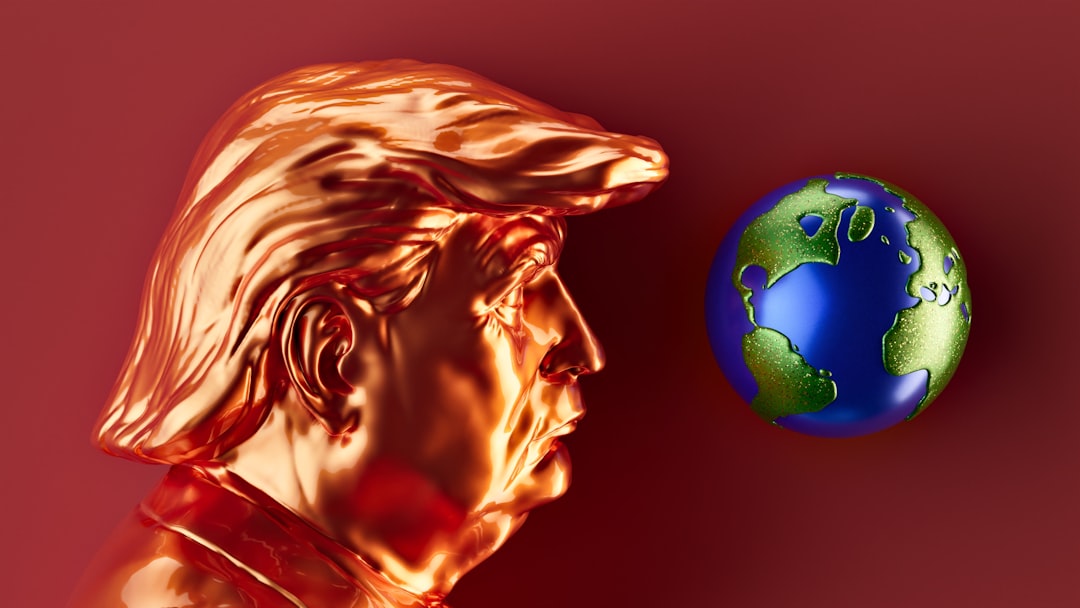
PBS NewsHour explores fragile cease-fires in Lebanon, disputes over the Strait of Hormuz, healthcare challenges, and major political headlines.
PBS NewsHour's April 17, 2026 broadcast provided a sweeping overview of global and domestic challenges, ranging from a tenuous cease-fire in Lebanon and disputes surrounding the Strait of Hormuz to rising healthcare costs in the U.S. and significant political and legal developments. Here’s an in-depth look at the key issues discussed during the program.
Geopolitical Tensions: Lebanon and the Strait of Hormuz
The fragile ten-day cease-fire between Israel and Hezbollah in Lebanon took center stage. Special correspondent Simona Foltyn reported from Beirut, capturing the mixed emotions of displaced families cautiously returning home amid fears of renewed conflict. Thousands of Lebanese have been displaced by weeks of heavy fighting, with more than 2,000 casualties and significant infrastructure destruction. Many, like Mohammed Abdalla and his wife Nadia, spoke of their deep yearning to return to their homeland despite the precarious truce.
However, the shadow of uncertainty looms large. Israel’s declared intent to maintain operations in southern Lebanon, paired with Hezbollah’s sustained resistance, underscores the precariousness of the current cease-fire. Simona Foltyn highlighted widespread skepticism about whether the pause in hostilities will lead to a longer-term resolution. With previous cease-fires, like the 2024 agreement, ending in failure, trust in diplomacy remains fragile.
The geopolitical dynamics extend far beyond Lebanon. In one of the world’s most critical oil transit points, the Strait of Hormuz, tensions are far from resolved. Iranian officials and President Trump both announced that the strait has reopened for commercial shipping, yet according to maritime law expert Ian Ralby, the reality is far less clear. While crude prices briefly dropped in response to the announcement, reports reveal that Iran is imposing strict conditionalities on transit. Commercial vessels must navigate restricted routes near Iranian territory and coordinate with Iran’s Revolutionary Guard Corps (IRGC), raising concerns about whether shipping can truly proceed unimpeded. Simultaneously, the U.S. naval blockade of Iranian ports remains in place, compounding the uncertainty for global trade.
“What we’re seeing today is a mismatch between rhetoric and reality,” Ralby said, warning of the risks posed by both Iranian control over the strait and U.S. efforts to seize Iranian-affiliated cargo. With so much at stake, from global supply chains to energy security, the region remains a powder keg.
Healthcare Costs Soar in the U.S.
Domestically, the NewsHour addressed a mounting crisis in U.S. healthcare as federal subsidies from Congress lapse. Millions of Americans now face skyrocketing costs, leaving an already strained healthcare system in even greater jeopardy. Rising expenses are expected to disproportionately impact vulnerable populations, with significant long-term implications for public health and economic stability.
The healthcare gap is becoming even more pronounced due to reduced preventative care and delayed treatment. Experts warn that the cost of inaction will likely dwarf any short-term savings from rolling back subsidies. These developments raise serious questions about whether Congress will revisit its decision in the future, especially as public pressure mounts.
Scandals and Political Moves: Kennedy Center, Surveillance Programs, and More
In another key segment, PBS NewsHour investigated allegations of chaos and misconduct at the Kennedy Center following changes in leadership under President Trump’s administration. Former visual arts curator Josef Palermo criticized the institution’s shift toward what he described as “political management strategies,” a departure from its historically nonpartisan mission. These comments reflect broader concerns about politicization in the arts during periods of government influence.
Beyond cultural arenas, other political headlines seized attention. The U.S. Senate’s short-term renewal of a surveillance program under the Foreign Intelligence Surveillance Act (FISA) reignited debates over the balance between national security and personal privacy. The extension, valid until April 30, buys lawmakers time to negotiate reforms to the widely controversial program, which allows for warrantless foreign communications data collection. The debate underscores ongoing tension between privacy advocates and proponents of strong counterterrorism measures.
Severe Weather Strains the American Midwest
Switching gears, the program highlighted the devastating impact of extreme weather in the Midwest, where severe storms have caused significant destruction. Wisconsin faced a particularly brutal week, marked by seven confirmed tornadoes, flash flooding, and a record-breaking amount of rain for April—all before the month’s midpoint. The region is bracing for more extreme weather, raising alarms about the increased frequency and intensity of climate events.
Legal Developments and Cultural Controversies
PBS NewsHour delved into a high-profile investigation involving musician D4vd (real name David Burke), who was arrested on suspicion of murder in connection to the death of a 14-year-old girl last year. The case has drawn national attention, not only because of D4vd’s celebrity status but also due to the broader conversation it sparks about internet culture and accountability.
Meanwhile, in California, the tragic fallout of the U.S. immigration crackdown continues to surface. French widow Marie-Therese Ross returned to France after being detained for overstaying her visa. Critics of the enforcement policies have called out the human cost of detentions, especially cases that involve the elderly or vulnerable populations.
Continual Challenges Across the Globe
From Britain to the business world, the headlines presented on PBS NewsHour painted a complex picture of global and domestic instability. British Prime Minister Keir Starmer faced scrutiny over revelations about security-clearance lapses in his administration, fueling political tensions across the Atlantic. Meanwhile, in the corporate sphere, QVC’s parent company filed for bankruptcy, signaling turbulence in the retail and broadcast shopping sectors.
The Bigger Picture
The PBS NewsHour broadcast of April 17 captured a world in flux. From geopolitical disputes to domestic policy challenges and cultural controversies, the key takeaway is the interconnectedness of today’s crises. Whether in the Strait of Hormuz, the U.S. healthcare system, or severe weather events in the Midwest, the need for decisive action and cooperation has never been more urgent.
Staff Writer
Lauren covers medical research, public health policy, and wellness trends.
Comments
Loading comments…


