RFK Jr. discusses tribal healthcare at Wild Horse Pass Resort
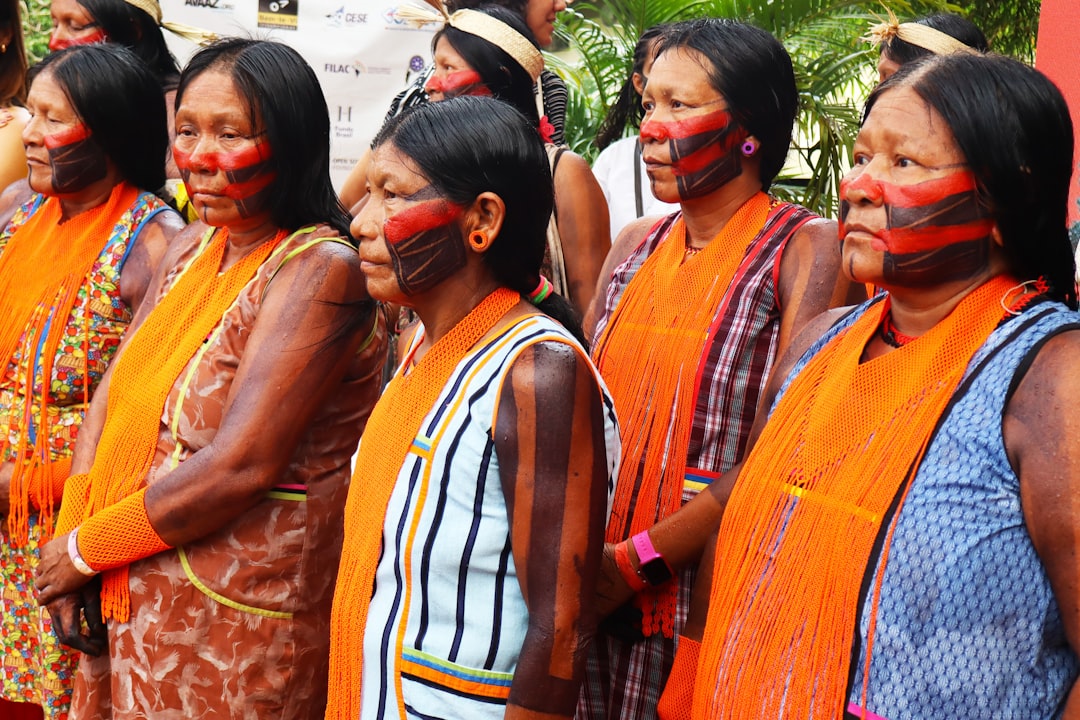
At Wild Horse Pass Resort, RFK Jr. addresses tribal healthcare challenges and federal commitments to tribal communities.
Robert F. Kennedy Jr. recently visited the Wild Horse Pass Resort in Arizona to speak about critical issues within tribal healthcare and evaluate ongoing progress in supporting Native American communities' healthcare needs. His remarks aimed to highlight existing efforts by both federal agencies and tribal administrations while pointing to areas requiring further attention and action.
Highlighting Tribal Administration in Healthcare
The speech underscored the growing role of tribal governments in administering healthcare programs under the Indian Health Service (IHS). Kennedy referenced the fact that tribes now manage more than 60% of the IHS budget, marking a significant shift in how healthcare services are delivered to Native American populations. This move reflects the government's strategy to place decision-making power closer to the communities directly impacted.
Kennedy also acknowledged the delegation of IHS director authority to Clayton Fulton of the Cherokee Nation. The gesture signals an ongoing effort to empower tribal leaders to play more active roles in shaping healthcare strategies that align with their unique cultural and logistical requirements.
A Broader Federal Commitment
Tribal healthcare has historically faced chronic underfunding and resource disparities, leading to limited access and diminished quality of care in several areas. While the current administration has worked to improve the situation, long-standing challenges, including facility upgrades, medical staffing shortages, and tailored mental health programs, still persist.
Kennedy emphasized the importance of listening to tribal advisories and coordinating efforts across multiple stakeholders, including elected tribal leaders, healthcare providers, and federal representatives. He cited the continuation of meetings and dialogues as a constructive approach to identifying and implementing solutions that prioritize tribal sovereignty and self-determination.
Future Commitments in Arizona and Beyond
Kennedy highlighted that his visit to Arizona was one of many steps in his broader mission to engage with tribal communities across the U.S. He committed to continuing visits and discussions throughout the region, seeking firsthand accounts from patients, clinicians, and healthcare administrators to better understand on-the-ground dynamics.
Tribal healthcare is not just a regional issue; it's a microcosm of national conversations around equitable access to care, cultural competency, and addressing systemic inequities for underserved populations. Kennedy positioned these topics as central to the broader vision of improved public health outcomes and federal partnership strategies.
Why It Matters
The expansion of tribal control over IHS funding and services demonstrates progress in respecting tribal sovereignty and recognizing the expertise of tribal governments in addressing their community's needs. However, continued transparency, adequate budgeting, and addressing workforce gaps remain critical to sustaining these gains.
Kennedy’s remarks serve as a reminder that government efforts must be well-coordinated, sufficiently funded, and responsive to actionable advice from the communities they aim to serve. His commitment to maintaining engagement with Arizona’s tribal communities speaks to the level of attention needed to bridge the gap between promises and tangible improvements.
As discussions evolve, healthcare policy for Native American populations will remain a key metric for gauging progress in broader U.S. health equity initiatives.
Staff Writer
Lauren covers medical research, public health policy, and wellness trends.
Comments
Loading comments…


