Spokane's Public Safety and Health Committee addresses crisis response and gun violence solutions
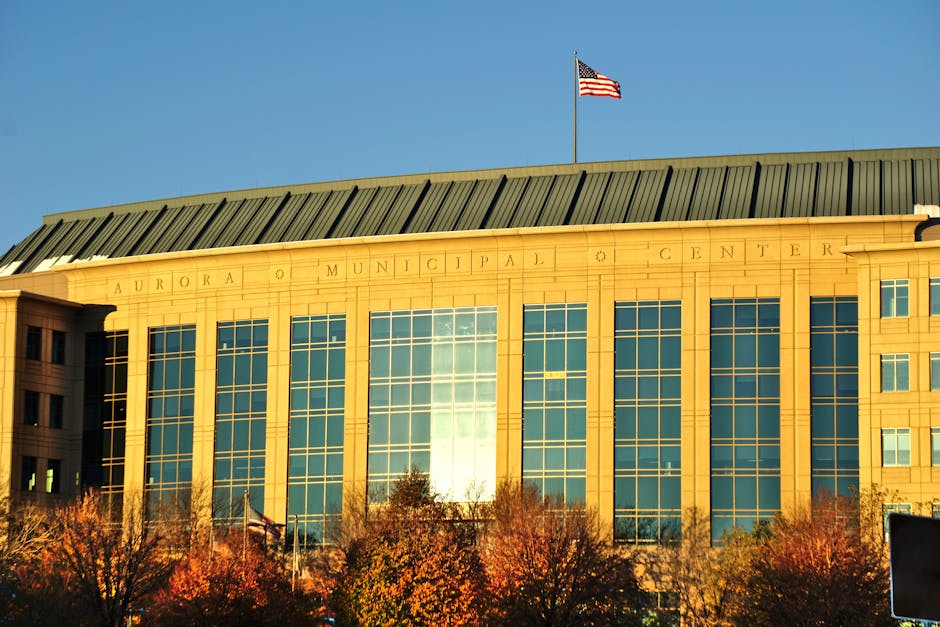
Spokane's Public Safety and Health Committee reviewed efforts to expand crisis response services and a new gun crime unit aimed at reducing violence.
The Spokane Public Safety and Health Committee recently held a comprehensive meeting to discuss pressing issues surrounding crisis response services and gun violence prevention within the city. From increasing support for vulnerable populations to implementing a new tactical gun crime unit, the city leadership is exploring critical strategies to address a broader spectrum of public safety concerns.
Improving Crisis Response Services
A significant point of discussion was the development and scaling of Spokane’s behavioral health and crisis response services. Chief Hall, addressing the committee, emphasized the gaps in the city’s current ability to provide care for individuals in acute behavioral or mental health crises. He shared a poignant example involving a man experiencing suicidal ideations earlier this year. Despite initially being taken into care, the individual tragically ended his life days later, highlighting critical shortcomings in the intervention and care system.
In 2025, Spokane's crisis response units handled over 7,400 behavioral health-related calls. Over 3,700 of these were addressed by the city's Behavioral Health Unit (BHU), which operates on a co-responder model involving law enforcement officers and clinicians. However, Chief Hall noted several limitations of the current setup, particularly the lack of 24/7 availability. Currently, behavioral health teams can only respond during specific hours, raising concerns about the city’s capacity to provide effective crisis intervention at night, a time when many critical incidents are reported.
To address these challenges, Spokane aims to build a 24/7 crisis response model, including embedding crisis clinicians directly in the city’s 911 dispatch center. Officials believe this integration could enable real-time stabilization calls or more immediate dispatch coordination, potentially preventing crises from escalating. "There are proof-of-concept models," said Hall, referring to similar systems already implemented successfully in cities like Austin, Texas, and Washington, D.C.
Another proposal focuses on the creation of "no wrong door" 24/7 crisis facilities. Such facilities would provide psychiatric stabilization, withdrawal management, and triage services, bridging gaps between frontline responders like law enforcement and emergency services. By reducing dependency on emergency rooms for medical clearance of individuals in crisis, these facilities aim to streamline care and enhance capacity for handling high-acuity cases.
Community collaboration remains central to Spokane’s efforts. Current partners include organizations like Catholic Charities, the Spokane Regional Stabilization Center, and local behavioral health providers. However, Chief Hall stressed that achieving comprehensive changes would depend heavily on securing additional funding. Federal funding initiatives, such as a request for $4.1 million to model programs seen in cities like Everett, Washington, are being pursued to support staffing and resource expansion.
Focus on Gun Violence Prevention
The meeting also introduced the city’s new Gun Crime Unit, aimed at proactively addressing gun-related violence through targeted enforcement and collaboration. The specialized team, named the Tactical Investigations Unit, includes three detectives and three patrol officers and operates during high-demand hours, from 4 p.m. to 2:40 a.m. These hours correlate with peak times for gun crime incidents based on heat map data.
This unit will not only respond to incidents but will also treat all shootings—with or without victims—as high-priority cases akin to homicides. By leveraging investigative resources and methods such as advanced crime scene processing and data integration through systems like the National Integrated Ballistic Information Network (NIBIN), the unit hopes to disrupt violence patterns more effectively.
Beyond enforcement, the Gun Crime Unit emphasizes prevention. By engaging with community groups, the unit aims to address systemic causes of gun violence and deter potential offenders proactively. Its mission aligns with the broader city goal of reducing gun-related violence by 10% citywide by December 2026.
Data Integration and Regional Collaboration
Addressing questions about regional collaboration, Chief Hall detailed how the Gun Crime Unit plans to consolidate data and share critical information with county and state-level agencies. A proposed regional data warehouse could serve as a central repository for law enforcement information, improving cross-jurisdictional crime tracking and coordination.
However, collaboration is not new. Spokane currently partners with agencies like the FBI’s Violent Crime Task Force and neighboring jurisdictions to ensure seamless support during investigations. Integrating new efforts with existing partnerships will remain a priority as the Gun Crime Unit finalizes its processes.
Funding and Resource Challenges
Throughout the discussions, funding challenges emerged as a recurring theme. Whether expanding crisis response programs or supporting the new Gun Crime Unit, sustained financial support will be pivotal. Council members raised questions about the efficiency of resource allocation, as well as the need for exploring how behavioral health units could take on responsibilities traditionally managed by law enforcement. Reducing undue reliance on sworn officers could potentially free up resources for broader deployment.
Outlook for Spokane’s Safety Programs
Spokane’s Public Safety and Health Committee highlighted several forward-thinking initiatives, but achieving these ambitious goals will require robust funding, staff expansion, and technology upgrades. By targeting systemic gaps in crisis care and treating gun violence prevention as a top priority, the city aims to enhance both public trust and community safety.
While funding and operational constraints may hinder some plans in the near term, ongoing discussions, public-private partnerships, and federal grant opportunities could provide the momentum needed to achieve long-term change. For Spokane residents, the initiatives discussed at this committee meeting underscore an evolving approach to citywide safety, focusing on prevention and proactive intervention across a range of urgent public issues.
Staff Writer
Lauren covers medical research, public health policy, and wellness trends.
Comments
Loading comments…


