SSP Pulwama inaugurates Mega AYUSH Medical Camp on World Health Day
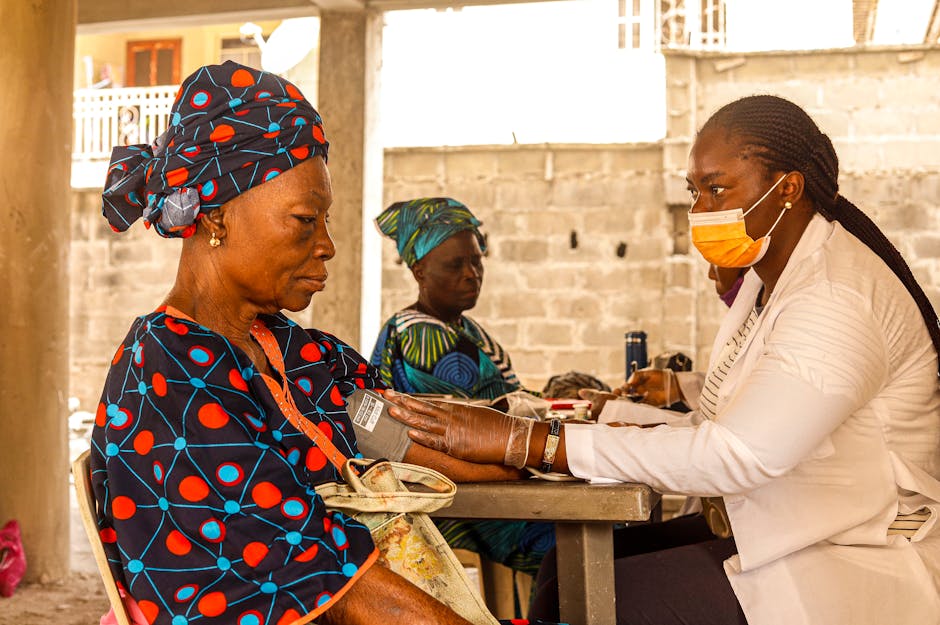
SSP Pulwama Tanushri inaugurated a Mega AYUSH Medical Camp at District Hospital Pulwama, highlighting the integration of traditional medicine in healthcare.
On the occasion of World Health Day, Senior Superintendent of Police (SSP) Pulwama, Ms. Tanushri, inaugurated a Mega AYUSH Medical Camp at the AYUSH Unit, located within the District Hospital Pulwama. The event underscores the growing emphasis on integrating traditional medicine systems with modern healthcare infrastructure, particularly in regions where access to diverse treatment options can significantly uplift community well-being.
World Health Day: A Global Call for Health Equity
Celebrated annually on April 7 by the World Health Organization (WHO), World Health Day aims to raise awareness about pressing health concerns. This year's theme (while unspecified in the source material) ties seamlessly with the objectives of AYUSH—a system emphasizing Ayurveda, Yoga, Unani, Siddha, and Homeopathy as complementary treatments to modern medicine. Through initiatives like the one unveiled in Pulwama, there’s a global push to explore the role of holistic approaches in achieving equitable healthcare for all.
The Role of AYUSH in Modern Healthcare
The AYUSH system, backed by India's Ministry of AYUSH, plays a key role in promoting alternative therapies that often appeal to patients seeking natural, preventive, and personalized care. These modalities emphasize balancing the body, mind, and spirit—a concept resonating with modern integrative healthcare trends emerging worldwide. At the District Hospital Pulwama, this unit represents an institutional effort to incorporate traditional medical practices alongside allopathic care.
While the specific services offered during the camp were not detailed in the source material, AYUSH programs typically provide consultations, herbal medications, yoga therapy, and awareness sessions. Such camps are instrumental in demystifying such systems for the public, especially in semi-urban and rural areas where healthcare literacy levels vary.
SSP Pulwama’s Role in Community Health Initiatives
The involvement of SSP Pulwama, Ms. Tanushri, as the inaugurator of the Mega AYUSH Medical Camp signals active law enforcement participation in community-oriented health initiatives. This collaborative approach emphasizes the intersection of public administration and healthcare—demonstrating how different governmental sectors can come together for public welfare.
As a senior law enforcement officer, Ms. Tanushri’s engagement highlights how police departments across India are extending their roles beyond traditional security measures. By supporting health and wellness initiatives, they reinforce community trust while addressing issues like health inequities—a key aspect in regions like Pulwama that have seen developmental challenges.
Why It Matters for Pulwama
Pulwama, located in the union territory of Jammu and Kashmir, often makes headlines for its political and conflict-related challenges. However, events like these bring attention to the quieter, more constructive efforts to strengthen public health resources. The integration of AYUSH into the district’s healthcare system could have far-reaching implications for locals—providing affordable, alternative treatments for common ailments, and fostering a culture of preventive care.
Additionally, such initiatives can complement efforts to address non-communicable diseases (NCDs) like diabetes, hypertension, and anxiety—conditions that are rising globally yet remain underserved in remote areas. When paired with education on healthy lifestyles—another mainstay of AYUSH philosophy—these systems hold the potential to influence long-term behavioral change among communities.
Challenges Ahead: Scaling Traditional Medicine Access
While the intent behind such medical camps is undoubtedly promising, scaling AYUSH services continues to be a challenge. The lack of standardization in some AYUSH practices and skepticism among sections of the medical community regarding their clinical evidence base require ongoing dialogue and research. However, many patients find value in these practices, particularly for chronic or lifestyle-related conditions.
For the Pulwama community, outreach through initiatives like the Mega Camp could be vital in making AYUSH a trusted supplement to conventional care. Ensuring sustained access and adequate training for practitioners will be critical to realizing the full potential of such systems.
The Future of AYUSH in Public Health
The event in Pulwama reflects broader national trends. India continues to invest in AYUSH as part of its strategy for universal health coverage (UHC). The $1.5 billion National AYUSH Mission seeks to integrate these practices into primary health centers across the country, offering a combined approach that respects both traditional knowledge and modern science. As global interest in alternative medicine grows, AYUSH is quickly becoming a point of soft power for India, with similar initiatives expanding into international markets.
Conclusion: A Step Forward for Pulwama
The Mega AYUSH Medical Camp inaugurated by SSP Pulwama Ms. Tanushri aligns with the broader goals of improving healthcare access, spreading awareness about traditional systems, and fostering holistic care models. For Pulwama, initiatives like these are more than just health services—they lay the groundwork for building trust, addressing inequities, and improving quality of life. Events like these not only bridge gaps between diverse healthcare systems but also provide a platform for future health innovation in regions that need it most.
Staff Writer
Lauren covers medical research, public health policy, and wellness trends.
Comments
Loading comments…


