The 2026 Dirty Dozen: Fruits and Vegetables with the Most Pesticides
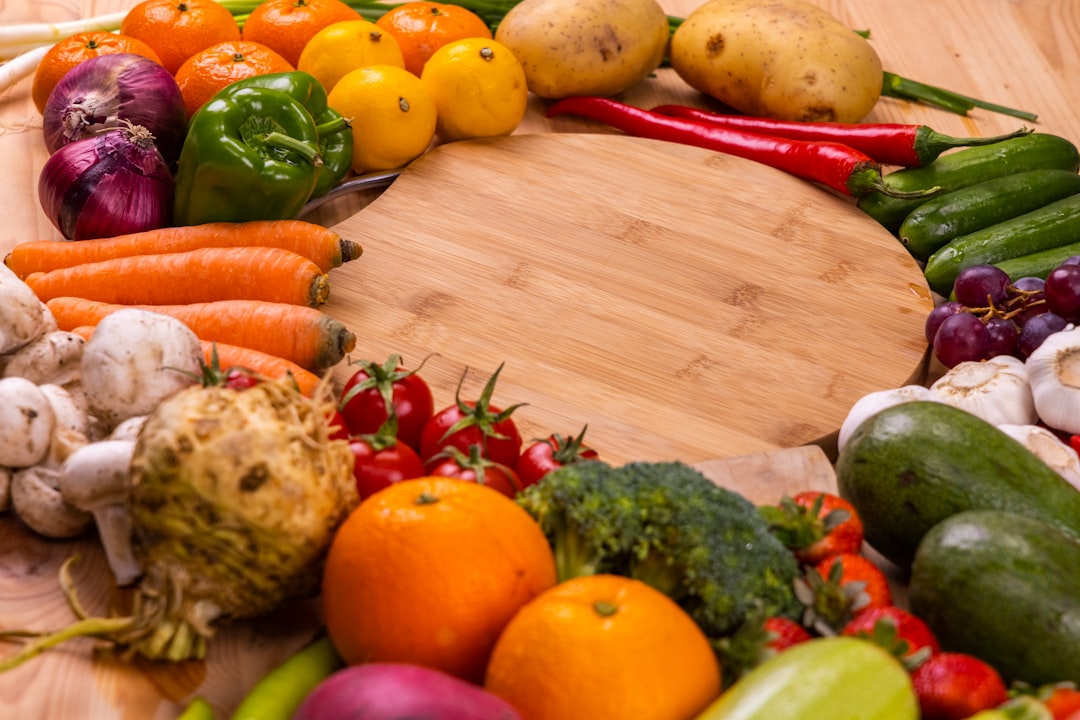
The Environmental Working Group's 2026 Dirty Dozen report highlights produce items like spinach and strawberries with high pesticide levels.
Each year, the Environmental Working Group (EWG) releases its Dirty Dozen report, a list of the fruits and vegetables most contaminated by pesticides. In the 2026 update, several everyday produce items made the list, raising concerns about food safety and chemical exposure. The findings emphasize the importance of proper food handling and raise awareness about the growing prevalence of pesticide contamination.
Key Findings from the 2026 Dirty Dozen
According to the EWG, some of the most widely consumed fruits and vegetables are among the dirtiest in terms of pesticide residues. This year, the list revealed surprisingly high pesticide contamination in several popular items:
- Spinach ranked as the top offender, with samples containing an average of four or more pesticide types, even after washing.
- Strawberries and nectarines remain on the list, as in previous years, due to their susceptibility to absorbing pesticides.
- Grapes, widely enjoyed as a healthy snack, were also among the fruits with significant contamination.
- Kale, a frequent ingredient in salads and smoothies, continues to feature due to high pesticide residues.
Overall, the report highlights the widespread use of harmful agricultural chemicals, many of which persist on produce even after being washed.
Pesticides and Their Health Risks
The presence of pesticides in food is not just a regulatory issue; it carries real health implications. Research cited in the report links pesticide exposure to several health risks. Some key concerns include:
- Hormonal disruption: Certain chemicals can interfere with the endocrine system, affecting hormone production and balance.
- Fertility issues: Prolonged pesticide exposure may negatively impact reproductive health for both men and women.
- Chronic illnesses: Studies suggest that exposure to specific pesticides could elevate the risk of conditions such as cancer, diabetes, and neurological disorders.
Besides these well-documented risks, the 2026 report introduced a new worry: over 60% of Dirty Dozen samples contained pesticides classified as "forever chemicals." These chemicals, also known as per- and polyfluoroalkyl substances (PFAS), do not break down naturally and can accumulate in the body over time, potentially compounding long-term health threats.
What Are Forever Chemicals and Why Are They Problematic?
PFAS, or forever chemicals, are synthetic substances used in various industries for their heat-resistant and nonstick properties. Their presence in pesticides adds another layer of complexity to food safety. PFAS contamination is concerning because:
- Persistent in the environment: These chemicals do not degrade and can remain in soil and water for decades.
- Bioaccumulative: Over time, PFAS can build up in human tissues, increasing the risk of adverse health effects.
- Linked to health issues: Research connects PFAS exposure to cancer, immune system disruption, and thyroid disease.
The EWG’s report underscores the urgency of monitoring and regulating the use of such chemicals in agricultural practices.
Washing Produce: Is It Enough?
While washing fruits and vegetables is an essential first step, it is not always enough to remove pesticide residues completely. Both conventional and organic produce may carry residues, bacteria, and dirt. Experts recommend the following practices:
- Wash all produce, including organic: Rinsing under running water helps remove surface contaminants, but it may not eliminate pesticides absorbed into the fruit or vegetable.
- Wash before peeling: Many people overlook this step, but dirt and bacteria on the surface can transfer to the interior when cutting or peeling.
- Use a clean brush for firm produce: Items like cucumbers, apples, and carrots benefit from gentle brushing to dislodge residues.
- Blanch or boil leafy greens: In some cases, a quick blanch can help reduce contaminants on leafy greens like spinach or kale.
By adopting these practices, you can reduce your exposure to harmful substances while enjoying the health benefits of fresh fruits and vegetables.
Alternatives and Safer Choices
If the findings of the Dirty Dozen report leave you concerned, there are actions you can take to prioritize safety:
- Purchase organic versions: While not always free of pesticides, organic produce generally has fewer and less harmful chemical residues.
- Shop from local farmers: Many small-scale farmers rely on fewer chemicals and may follow organic practices without formal certification.
- Select produce from the Clean Fifteen list: The EWG’s companion list identifies fruits and vegetables with the least pesticide residues. Common items on this list include avocados, sweet corn, and pineapple.
- Grow your own: If you have the space, growing your fruits and vegetables enables you to control the use of chemicals entirely.
While avoiding all pesticide exposure might not be feasible, making informed choices can help reduce your overall risk.
Conclusion
The 2026 Dirty Dozen report serves as a reminder to be mindful of what we put on our plates. With items like spinach, strawberries, and kale showing high pesticide levels, consumers must take steps to minimize exposure through proper washing techniques and informed purchasing decisions. The presence of PFAS adds further urgency to addressing chemical use in farming practices. By staying informed and proactive, you can balance the benefits of fresh produce with the potential risks posed by pesticides and other contaminants.
Comments
Loading comments…


