Understanding Meningitis: Symptoms, Vaccines, and the Kent Outbreak
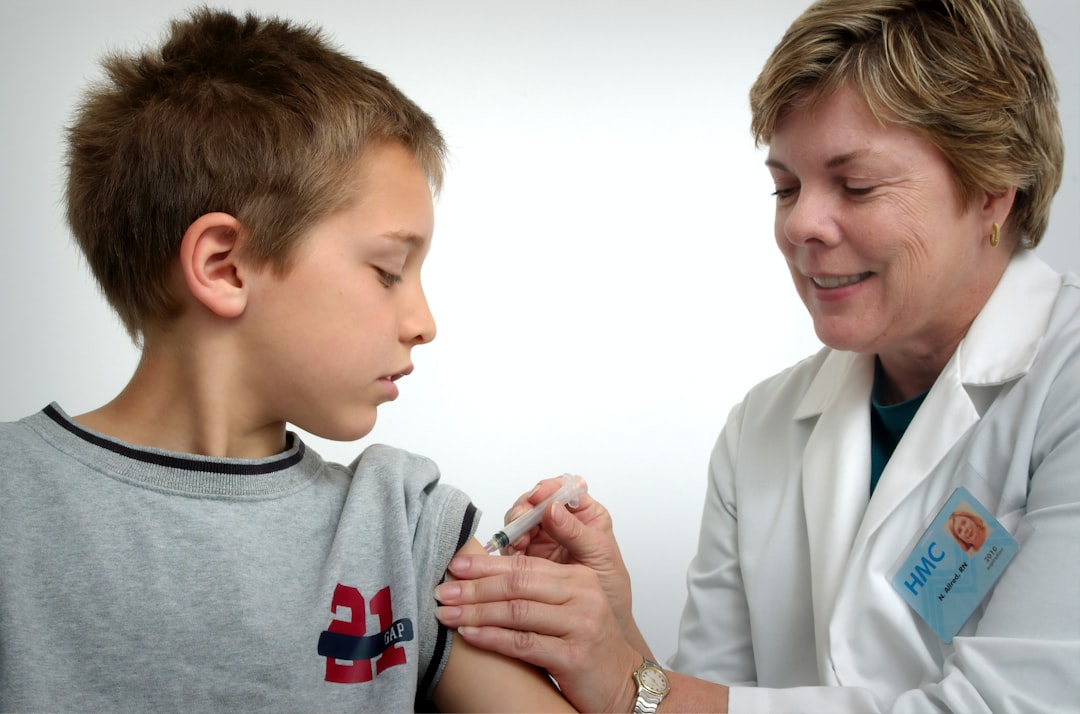
Meningitis causes severe complications and fatalities if untreated. Learn about its symptoms, available vaccines, and the recent outbreak in Kent.
Meningitis, an infection of the protective membranes covering the brain and spinal cord, is a potentially life-threatening condition that requires swift medical intervention. The recent outbreak in Kent has reignited public concern, particularly among parents, students, and health professionals. This article delves into what meningitis is, its symptoms, the vaccination options available, and the latest developments in the Kent outbreak.
What is meningitis?
Meningitis occurs when the protective membranes surrounding the brain and spinal cord, known as meninges, become inflamed due to bacterial or viral infections. While it can affect anyone, children under five and young adults are particularly vulnerable. Dr. Ellie Cannon, a GP, explains that bacterial meningitis is often the most severe form, leading to fatalities in approximately 10% of cases. Without prompt treatment, the condition can escalate rapidly, sometimes resulting in death within 24 hours.
The Kent meningitis outbreak
The outbreak in Kent has drawn significant attention due to fatalities and widespread community anxiety. Dr. Tom Nut, chief executive of Meningitis Now, describes the disease as "devastating,” with its impact rippling through families, schools, and broader communities alike. While meningitis is rare, the Kent situation highlights the vulnerability of student populations living in close quarters, such as university dormitories, where bacteria can spread through social interactions.
Health officials are still investigating the cause of this outbreak, but there is speculation that certain cohorts may not be up-to-date with their vaccinations. Secondary factors like missed immunization during the COVID-19 pandemic also complicate the situation.
Symptoms to watch out for
Detecting meningitis early is critical. Classic symptoms can be challenging to differentiate from other illnesses, but there are red flags specific to meningitis:
- Severe headache
- High fever
- Sensitivity to bright lights
- Neck stiffness
- Vomiting
- A rash that does not fade when pressed with a glass (a hallmark symptom in some cases)
Parents and young adults should note that these symptoms may not all appear at once. A rapidly worsening condition warrants immediate medical attention. Dr. Hugh Py emphasizes the importance of seeking emergency care, as delays could be fatal.
Vaccination: A vital preventive measure
The UK offers an extensive immunization schedule against various meningitis strains. However, gaps remain, particularly for older teenagers and young adults who were not covered by newer programs. Here’s an overview of available vaccines:
| Vaccine | Covers | Target Group |
|---|---|---|
| MenB | Meningitis B | Routine for babies since 2015 |
| MenC | Meningitis C | Routine for babies |
| MenACWY | Multiple strains | Teenagers and university students |
Dr. Cannon points out that most young adults affected in Kent likely missed out on the MenB vaccine, which was introduced into the UK immunization schedule in 2015. For families concerned about their vaccination status, the first step is to check NHS records via the NHS app or by contacting their GP practice.
Private vaccination options
The MenB vaccine is available privately for those not covered during infancy, though it comes at a cost. Dr. Nut advises families to carefully consider their options, as costs can add up. While advocating for government-subsidized MenB vaccinations for teenagers and young adults, he encourages parents and individuals to make informed decisions using resources like the Meningitis Now website.
Long-term impact of meningitis
Despite medical advances, survivors of severe bacterial meningitis may face lifelong challenges. Karen Williams and her daughter Gemma shared their personal story on BBC News. Gemma contracted meningitis at just six days old, resulting in an acquired brain injury, affecting her short-term memory and mobility. She lives with cerebral palsy and has had to adapt her daily life significantly.
The emotional toll extends to families as well. Karen recalls her gut instinct saving Gemma’s life when symptoms, like excessive sleeping, didn’t align with the well-known signs of meningitis. This highlights the need for awareness not only of classic symptoms but also of less overt ones.
Dr. Nut explains that survivors often experience physical, psychological, and social challenges, such as amputation, hearing loss, and emotional trauma. Support networks for survivors and families, such as those provided by charities like Meningitis Now, play a crucial role in recovery and adaptation.
How meningitis spreads and prevention tips
Meningitis primarily spreads through close personal contact, such as coughing, sneezing, or sharing utensils. People can carry the bacteria in their throats without symptoms, unknowingly passing it to others. While not as infectious as flu or COVID-19, the disease can spread quickly in communal living spaces.
To reduce the risk of infection:
- Maintain good hygiene, especially handwashing.
- Avoid sharing personal items like cups or utensils.
- Stay vigilant in high-risk environments, such as student dormitories and crowded events.
- Seek vaccination, particularly if living in an area with reported outbreaks.
Lessons from Kent
The Kent outbreak underscores the importance of vaccinations and public health interventions. Awareness campaigns through schools and universities encourage students and parents to verify their vaccination status. If you’re in doubt, consulting with your GP can clarify which vaccines you or your child may be missing.
Health officials are closely monitoring the Kent situation to understand why this outbreak occurred, including analyzing vaccination rates and environmental factors. Until more details are known, keeping up with hand hygiene and vaccination is the best strategy for prevention.
FAQs about meningitis
1. Can meningitis affect everyone? Yes, while some age groups, like children under five and young adults, are more susceptible, meningitis can affect anyone.
2. Is there a cure for meningitis? Bacterial meningitis requires urgent antibiotic treatment, while viral meningitis often resolves without specific medical treatment.
3. Does the meningitis vaccine offer complete protection? No, but it significantly reduces the risk of infection from the most common strains. Vaccines don’t cover every pathogen that can cause meningitis.
4. What should I do if I suspect meningitis? Seek immediate medical attention if you or someone you know shows symptoms like fever, severe headache, stiff neck, or the characteristic rash that doesn’t fade under pressure.
5. Will there be more outbreaks like Kent? It’s difficult to predict. However, increasing vaccination rates and awareness can significantly lower the likelihood of future outbreaks.
Final thoughts
Meningitis, while rare, is a serious condition with significant risks. The Kent outbreak serves as a reminder of the importance of vaccinations and timely medical care. Whether it’s ensuring your child’s immunization schedule is up-to-date, knowing the signs and symptoms, or adopting simple preventive measures, staying informed is your best defense against this devastating illness.
Staff Writer
Ryan reports on fitness technology, nutrition science, and mental health.
Comments
Loading comments…


