2026: A Groundbreaking Year in Space Exploration
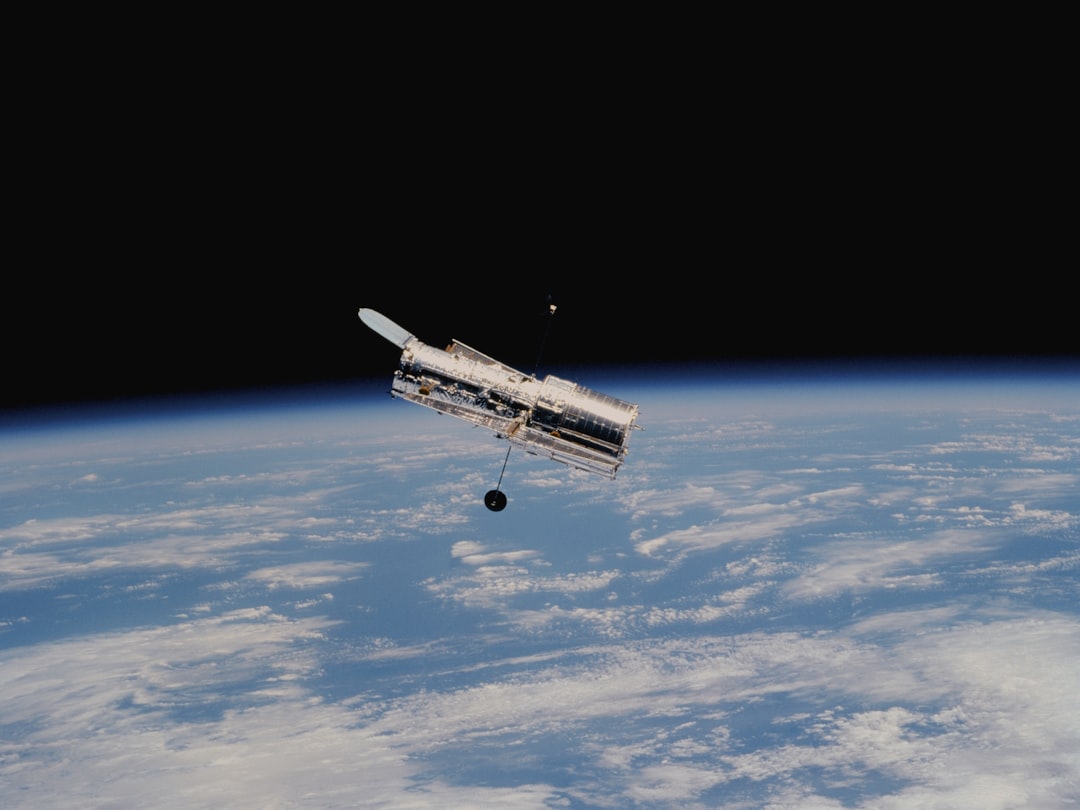
NASA's Artemis 2, the Roman Telescope, and global missions promise to revolutionize space exploration in 2026.
2026 is set to be a pivotal year in the history of space exploration. With ambitious missions, cutting-edge technology, and a global effort to understand the cosmos, humanity is poised to redefine its relationship with the universe. Here's a detailed look at the missions and technologies that will shape the year.
NASA’s Roman Space Telescope: A New Era in Astronomy
One of the most anticipated launches of 2026 is NASA's Nancy Grace Roman Space Telescope. Scheduled for as early as fall 2026, this telescope is slated to push the boundaries of what we know about the universe. Its cutting-edge 300-megapixel camera will provide a view of the cosmos that is 100 times larger than the Hubble Space Telescope while maintaining equally sharp resolution.
Over the course of five years, the Roman Space Telescope aims to accomplish remarkable feats:
- Discover over 100,000 distant planets beyond our solar system (exoplanets).
- Map billions of galaxies to study cosmic evolution.
- Explore the mysteries of dark matter and dark energy, which constitute about 95% of the universe.
A standout feature of Roman is its coronagraph, an instrument that blocks starlight to allow direct imaging of exoplanets. This technology is expected to pave the way for future missions searching for habitable worlds outside our own solar system.
Artemis 2: Humans Return to the Moon
In an awe-inspiring development, NASA will launch the Artemis 2 mission as soon as April 2026. This milestone mission represents humanity's first journey beyond low Earth orbit in more than 50 years, following the Apollo 17 mission in 1972.
Key details of Artemis 2 include:
- A 10-day mission with four astronauts.
- Orbiting the Moon to test systems necessary for future lunar landings.
- Gathering critical data to enable sustained human presence on the Moon.
Although Artemis 2 will not involve a lunar landing, it is an essential step toward the broader Artemis program goal of establishing a permanent human presence on the Moon. This mission will help confirm the safety of systems required for deep-space exploration.
International Collaboration and Rivalry
Beyond NASA's projects, other nations are stepping up their space ambitions:
-
China’s Tiangong Space Station: China will continue its series of manned missions to its space station, demonstrating its growing expertise in space exploration.
-
Chang’e 7 Lunar Mission: China is targeting the Moon’s south pole, which has become a focus for both scientific and strategic reasons. This mission will deploy a rover, a lander, and a flying hopper designed to explore shadowed craters where sunlight never reaches.
Meanwhile, cooperation between nations also plays a key role in 2026. Scientific collaboration involves sharing data, instruments, and expertise, reminding us that the universe belongs to no single country.
The MMX Mission: Unlocking Phobos’ Mysteries
Japan’s Martian Moon eXploration (MMX) mission is another standout in 2026’s lineup. The mission will study Phobos, one of Mars' moons, collecting samples to bring back to Earth by 2031. These pristine materials could answer long-standing questions about the formation of the inner solar system.
Managing Space Weather Threats
2026 will also highlight the critical importance of monitoring space weather. Recent solar storms disrupted communication systems and airline operations globally, reaching as far as Florida. These events underscore the practical impact of space phenomena on Earth and the pressing need to enhance our predictive capabilities.
Why 2026 Matters
Taken together, the missions of 2026 signify humanity’s growing ability to explore further and deeper into the cosmos. While competition between nations fuels innovation, collaborative efforts remind us of the shared nature of exploration. The combination of pioneering technologies, dedicated astronauts, and international scientific partnerships ensures that 2026 will reshape our understanding of both our universe and our role within it.
What Lies Ahead in Space Exploration?
The challenges and breakthroughs of 2026 will likely guide the trajectory of space exploration for years to come. From unlocking cosmic secrets with the Roman Space Telescope to the monumental return of humans to the Moon and the race for lunar dominance, this year is brimming with possibilities for discovery and technological advancement.
Staff Writer
Daniel reports on biology, climate science, and medical research.
Comments
Loading comments…


