Pakistan announces lunar ambitions with China’s Chang'e 8 mission
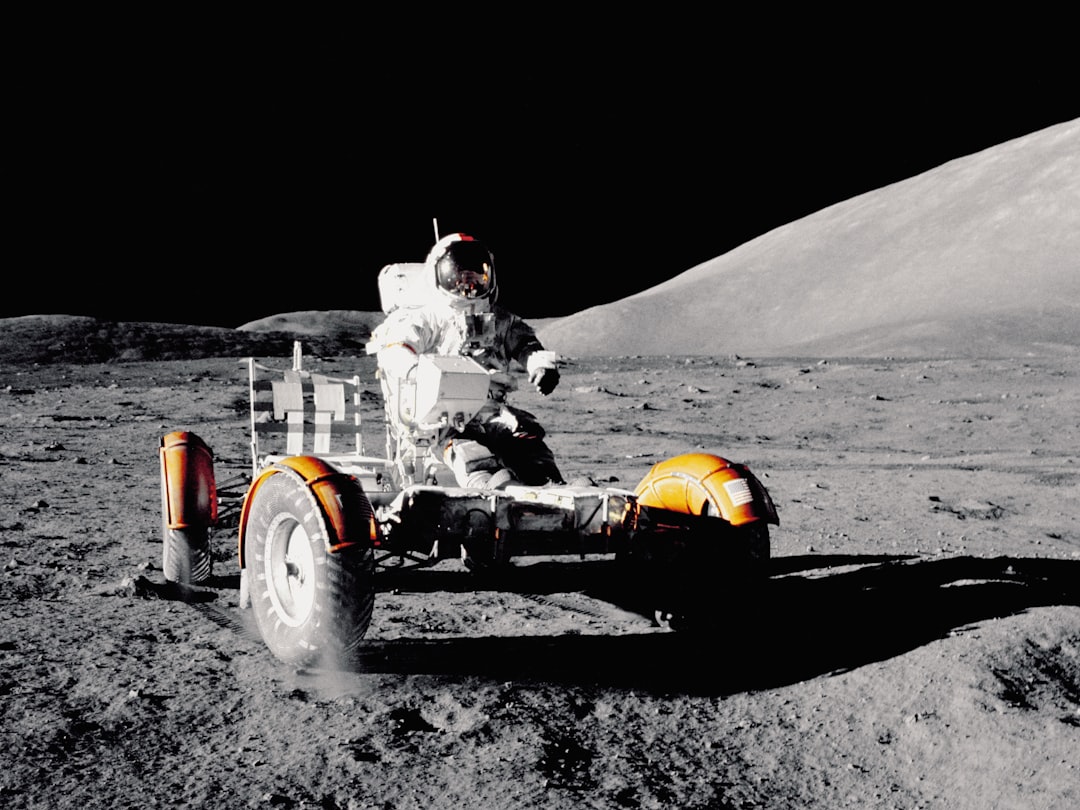
Pakistan partners with China to send its first astronaut to the Moon in 2026 as part of the Chang'e 8 mission. This marks a new chapter in South Asia's space endeavors.
In a groundbreaking announcement, Pakistan has revealed its plans to collaborate with China on an ambitious lunar mission. According to reports, Pakistan will send its first astronaut to the Moon in 2026 as part of China’s Chang'e 8 mission. This development shifts Pakistan’s space program from a focus on satellite launches to active participation in human lunar exploration.
A New Milestone for Pakistan
This collaboration with the China National Space Administration (CNSA) marks a historic milestone for Pakistan. Historically, the country’s space activities have been managed by the Space & Upper Atmosphere Research Commission (SUPARCO), primarily focusing on communication and Earth observation satellites. The move towards human space exploration represents a significant leap, positioning Pakistan as a new contender in South Asia’s growing space ambitions.
The Chang'e 8 mission itself is a critical part of CNSA’s long-term plan to establish a sustainable lunar research base. Scheduled for 2026, the mission aims to explore technologies and systems that will enable continued human presence on the Moon. Pakistan is expected to contribute to the technical integration of life support systems and astronaut systems compatibility within China’s deep space architecture, according to reports. This technical cooperation signals a new level of complexity and commitment from Pakistan’s space program.
Deepening Sino-Pakistani Space Ties
The announcement also underlines the deepening partnership between Islamabad and Beijing. Pakistan has already benefited from its long-standing collaboration with China in orbital satellite programs, and this next step solidifies their joint ambitions beyond Earth’s orbit. For China, this partnership also enhances its growing leadership in international space exploration through alliances with partner nations.
Geopolitically, the shift holds significant implications for South Asia. By aligning itself with China’s lunar program, Pakistan gains access to advanced space technologies and expertise that could otherwise take decades to develop independently. The move also adds a layer of strategic depth to the bilateral ties between the two nations.
Expanding the Space Race in South Asia
This latest development comes at a time when South Asia is becoming increasingly active in space exploration. India’s space agency, the Indian Space Research Organisation (ISRO), has made significant strides, including the recent Chandrayaan-3 mission that achieved a successful soft landing on the Moon. Pakistan’s entry into lunar exploration with China introduces a new dynamic to the regional space race, positioning itself as a player in high-stakes space endeavors.
However, Pakistan faces challenges as it ventures into uncharted territory. The technical complexities of human space exploration require not only advanced research capabilities but also significant long-term investments. Collaborating with China mitigates some of these hurdles, as Pakistan can leverage Beijing’s established expertise and infrastructure.
Broader Implications for Space Exploration
Globally, the inclusion of more nations in lunar exploration shifts the narrative from space being dominated by a few superpowers to a more multipolar effort. With China opening its lunar program to international partners like Pakistan, it presents an alternative to programs like the US-led Artemis Accords.
At the same time, this partnership reinforces the focus on the Moon as the next frontier of human exploration. China’s Chang'e program, partnered with nations like Pakistan, indicates the increasing collaboration required to achieve long-term goals such as establishing research bases or testing new technologies for Mars missions.
Looking Ahead
If Pakistan successfully sends an astronaut to the Moon in 2026, it will join an elite group of nations that include the United States, the former Soviet Union, and China. This step would be a source of immense national pride and a testament to the power of international cooperation in space exploration.
As the countdown to Chang'e 8 continues, the mission will be closely watched as both a technical and geopolitical milestone. With South Asia’s space ambitions heating up, the coming years are set to redefine the region’s role in global space exploration.
Staff Writer
Daniel reports on biology, climate science, and medical research.
Comments
Loading comments…


