Artemis 2: Redefining Space Exploration
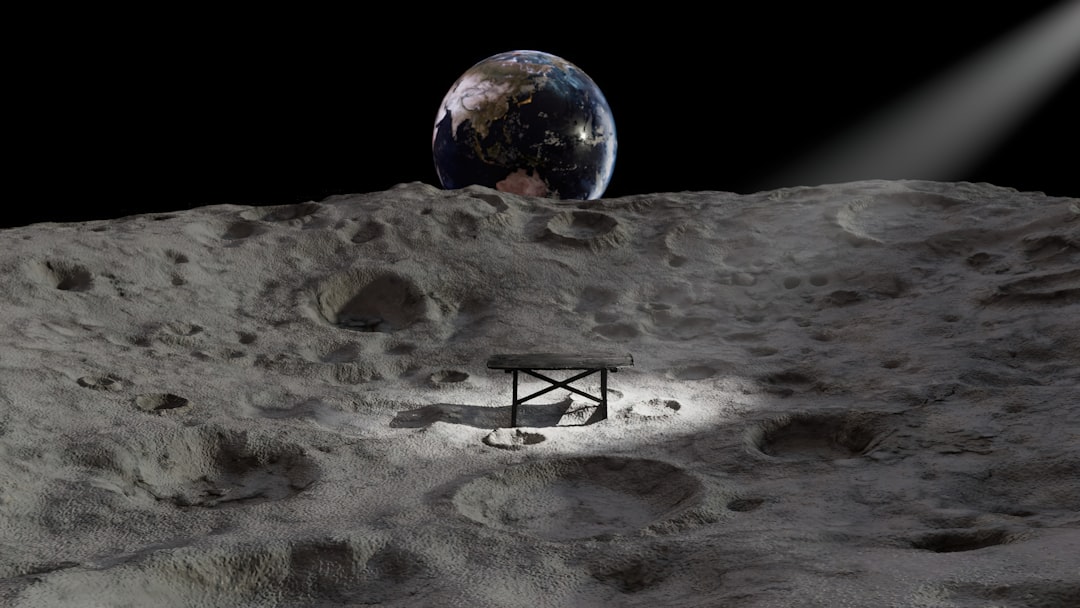
Artemis 2 aims to unite science, culture, and diversity as four astronauts journey to the Moon, heralding a new era in space exploration.
NASA’s Artemis 2 mission is not just another milestone in humanity’s push toward the stars; it represents a paradigm shift in how space exploration is envisioned, conducted, and communicated. With a crew of four astronauts from two nations setting their sights on lunar orbit, this mission underscores the unifying power of science and the spirit of discovery as a cornerstone of humanity’s shared future. But Artemis 2 is more than simply a technical achievement; it is a declaration of intent for a more inclusive and collaborative vision of space.
A Leap Toward a New Era
Scheduled as the first crewed mission under NASA’s Artemis program, Artemis 2 is the next step on the path to returning humans to the Moon and, eventually, setting the stage for deeper space exploration to Mars and beyond. The mission will send four astronauts—three from the United States and one from Canada—on a 10-day journey that includes orbiting the Moon without landing. This step-by-step approach is designed to rigorously test the hardware, systems, and teamwork necessary for future lunar surface missions.
In doing so, Artemis 2 builds on the success of Artemis 1, an uncrewed mission that proved the reliability of NASA’s Space Launch System (SLS) rocket and the Orion spacecraft. While Artemis 1 served as a technological proof of concept, Artemis 2 seeks to integrate human expertise, further bridging the gap between Earth and a long-term lunar presence.
Diversity at the Heart of Exploration
Victor Glover, one of NASA’s distinguished astronauts and a crewmember on this mission, has emphasized that Artemis 2 is about more than reaching the Moon. It aims to connect communities across the globe to space exploration, championing Earth’s rich diversity. This focus on inclusivity is a deliberate step forward at a time when representation and global collaboration are gaining attention in the fields of science and technology.
By including astronauts from Canada, the mission highlights the international partnerships that make these monumental efforts possible. The collaboration with the Canadian Space Agency (CSA), among others, demonstrates that the pursuit of space exploration transcends borders, acting as a unifying force in a fractured world. In fostering a vision of the cosmos that belongs to everyone, Artemis 2 strives to reflect the demographics and aspirations of our planet.
Bridging Science and Culture
Artemis 2 also carries a strong cultural component. Its framing speaks to the human need for exploration as more than just a scientific endeavor—it’s about storytelling, inspiration, and connecting humanity to the broader universe. Events like the Moon landing in 1969 have shown how pivotal moments in space exploration can inspire generations, influence art and literature, and profoundly reshape how we view human potential.
The Artemis program leans into this legacy while updating it for the 21st century. In Glover’s words, this mission is a chance to reflect a shared future where different viewpoints contribute to our understanding and exploration of the unknown. It’s not merely a technical triumph but a cultural one, rooted in the desire to leave no one out of humanity’s next giant leap.
Technological Advances and Future Goals
From a technological perspective, Artemis 2 will stress-test innovations crucial for long-term lunar and Martian missions. The SLS rocket, the most powerful ever built, combines sheer capability with exacting precision, while the Orion spacecraft has been equipped with advanced life support, navigation, and communication systems. Engineers and scientists hope to learn invaluable lessons from every aspect of this mission, from its launch to its splashdown on Earth.
The mission also lays the groundwork for Artemis 3, which aims to land the first woman and person of color on the Moon’s surface. Beyond that, the Artemis program imagines a sustainable lunar outpost called the Gateway, enabling extended missions and acting as a stepping stone to Mars. Artemis isn’t about visiting the Moon once and leaving; it’s about building a long-term presence that serves science, industry, and ultimately, humanity’s ambitions to explore further.
The Bigger Picture
Artemis 2 arrives at a time when governmental space agencies and private industry are exploring how to coexist and complement each other in the race to the Moon. While NASA leads the Artemis program, it collaborates closely not only with other nations but also with commercial partners. Companies such as SpaceX are critical players in building infrastructure like the Human Landing System for Artemis 3. This blend between public and private initiatives reflects a more complex ecosystem of space exploration than the race of the 1960s.
Furthermore, it represents the evolution of space as a shared domain. By working together, nations and organizations can ensure that advancements made in space benefit future generations, not just specific stakeholders. Setting this precedent is vital as humanity moves closer to making deep space exploration a regular reality.
Why Artemis 2 Matters
Artemis 2’s significance extends beyond science and technology. It stands as a statement about who we are and what we aspire to be as a species. By aiming to blend diversity, collaboration, and curiosity, this mission sets the tone for how space exploration—and by extension, human progress—might look in the decades ahead. Its vision of inclusion ensures that the story of exploration is one that everyone can claim as their own.
The countdown for Artemis 2 has already ignited imaginations, sparking conversations about the Moon and what lies beyond. As four astronauts from two countries chart this historic path, they carry with them not only the hopes of their respective nations but also the shared dreams of a planet united by an unending desire to explore.
Staff Writer
Daniel reports on biology, climate science, and medical research.
Comments
Loading comments…


