Artemis 2 rocket rolls out to launch pad ahead of April 1 mission
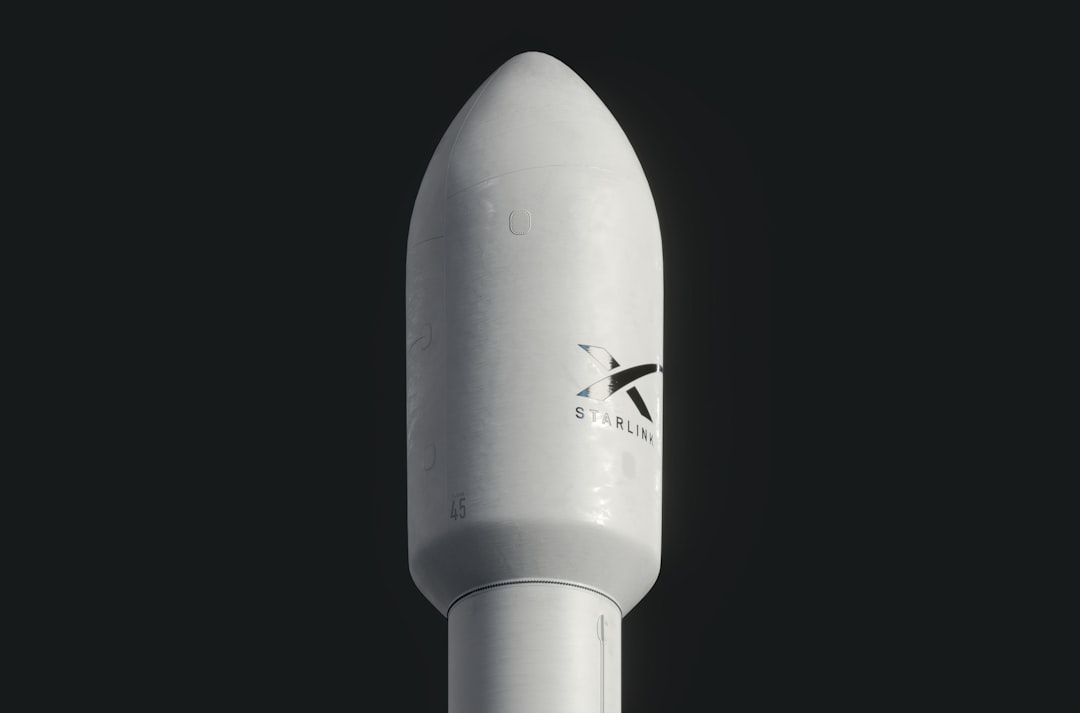
NASA's Artemis 2 rocket reached the launch pad on March 19, 2026, setting the stage for humanity's return to the Moon with its April 1 liftoff.
NASA’s Artemis 2 rocket arrived at the launch pad on March 19, 2026, marking a major milestone in the space agency’s effort to return humans to the Moon. The spacecraft's April 1 launch is set to be the first crewed mission of the Artemis program, a key step in NASA's broader goal to establish a sustainable human presence on the Moon and, eventually, explore Mars.
Artemis 2: the next step in lunar exploration
The Artemis 2 mission represents the first crewed test flight developed under NASA's Artemis program. The rocket's rollout to the pad is a critical step in the prelaunch process, as engineers prepare the massive Space Launch System (SLS) and Orion spacecraft for crewed flight. The rocket's four astronauts will orbit the Moon, testing the spacecraft's systems and establishing confidence for future lunar landings.
The Artemis 2 vehicle is powered by a new generation of liquid oxygen-methane fuel propulsion. The technology, designed to operate under extreme conditions, has undergone rigorous testing to ensure its reliability. Over millions of pounds of propellant will launch the crew on the furthest journey any humans have ever traveled.
Liquid oxygen-methane engines: A modern solution for space travel
Artemis 2 relies on advanced liquid oxygen and methane engines, which differ substantially from the liquid hydrogen-oxygen engines used in previous NASA missions. This new approach addresses several critical issues.
- Storage: Methane has a lower boil-off rate than hydrogen, which makes it easier to store for longer durations.
- Flexibility for future missions: Methane is a key candidate for in-situ resource utilization (ISRU) on Mars and the Moon. This means future missions could potentially refuel using resources available on planetary surfaces.
- Durability: These engines perform well under the extreme conditions of deep space.
The Artemis program specifically selected this technology both for its practicality and its potential for longer-term space exploration goals.
Artemis vs. Apollo: Firepower and precision
While Artemis takes inspiration from the Apollo program, the missions are fundamentally different. The Space Launch System (SLS) used in Artemis missions is significantly more powerful than the Saturn V rocket that propelled astronauts to the Moon in the 1960s.
| Feature | Apollo (Saturn V) | Artemis (Space Launch System) |
|---|---|---|
| Payload capacity | 140 metric tons | 130 metric tons |
| Engine propulsion type | Liquid hydrogen-liquid oxygen | Liquid oxygen-methane |
| Computer systems | Analog | Modern digital |
| Humans beyond low Earth orbit | Yes | Yes |
| Mission goal | Moon landing | Sustainable lunar exploration |
Artemis incorporates 21st-century technologies that provide greater precision in navigation, more efficient propulsion systems, and enhanced safety mechanisms for astronauts. The new designs support the long-term goal of sustainable exploration.
What’s next for the Artemis program?
Artemis 2 is only the beginning of humanity's renewed lunar presence. If the mission is successful, Artemis 3, scheduled for 2028, will involve the program’s first crewed lunar landing since 1972. It aims to establish a permanent presence through the building of the Lunar Gateway, an orbiting lunar outpost that will function as a staging ground for surface missions.
Following this blueprint, the Artemis program also paves the way for human exploration of Mars. The shift toward liquid oxygen-methane propulsion underscores NASA's focus on the adaptability of future technologies. For example, refueling on Mars using its natural resources could lead to sustainable, long-duration missions.
Practical takeaways from Artemis 2 preparation
The rollout of Artemis 2 signals NASA’s readiness to achieve one of its most complex launches to date. For enthusiasts of human space exploration, here are the key takeaways:
- March 19, 2026, marks a key milestone as the rocket reaches the launch pad.
- Liquid oxygen-methane propulsion is crucial for sustainable space travel.
- The Artemis program’s long-term vision connects lunar missions with future Mars expeditions.
As we approach the April 1 launch, Artemis 2 encapsulates how far space travel has advanced since the Apollo era. Its mission not only tests technology but serves as a steppingstone for the future of human exploration beyond Earth.
FAQ
When is the Artemis 2 launch?
The Artemis 2 mission is scheduled to launch on April 1, 2026.
What is the purpose of Artemis 2?
Artemis 2 is the first crewed mission of NASA's Artemis program. It will orbit the Moon to test the Space Launch System and Orion spacecraft before a future lunar landing.
What is new about Artemis propulsion?
The rocket uses liquid oxygen and methane engines, which improve storage durability and are adaptable for in-situ refueling on other celestial surfaces like Mars.
How does Artemis differ from Apollo?
Artemis features modern technologies such as advanced propulsion, digital systems, and improved navigation. Its focus is on sustainability and long-term exploration beyond the Moon.
What’s after Artemis 2?
The Artemis 3 mission will aim for a crewed lunar landing, marking the first human return to the lunar surface since 1972.
Staff Writer
Emily covers space exploration, physics, and scientific research. Holds a degree in astrophysics.
Comments
Loading comments…


