Artemis 2 Splashdown Marks Historic Milestone in Lunar Exploration
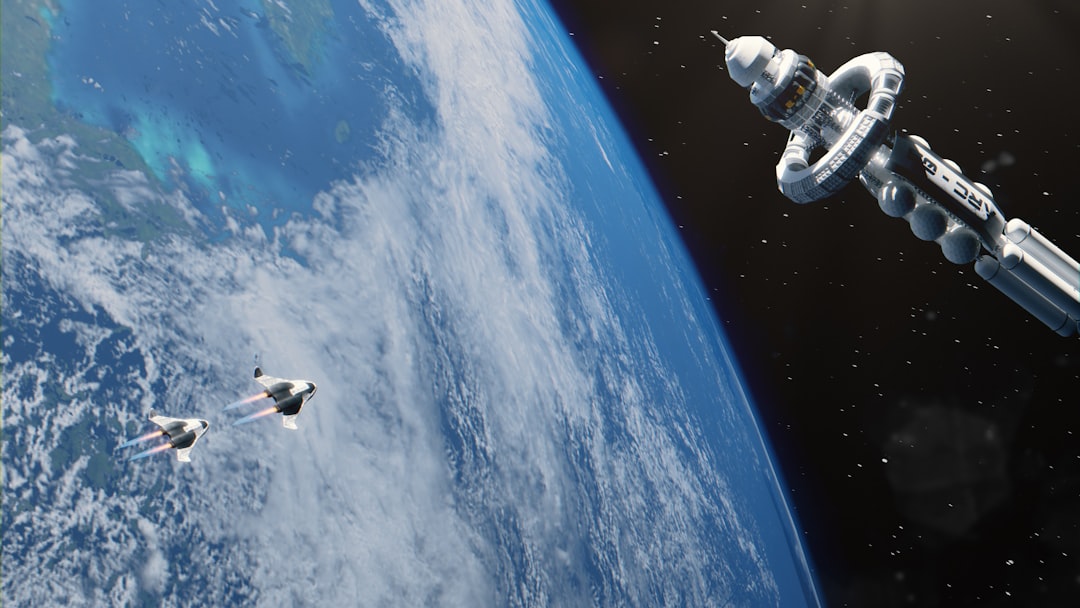
NASA’s Artemis 2 astronauts returned safely after setting records and proving humanity is ready to go back to the moon — and stay.
The Artemis 2 mission, NASA’s bold step toward returning humanity to the moon, is officially in the history books. On April 10, 2024, the Orion spacecraft carrying astronauts Reid Wiseman, Victor Glover, Christina Koch, and Jeremy Hansen splashed down safely in the Pacific Ocean at 8:07 p.m. local time, just off the coast of San Diego. This marked the completion of a 10-day mission around the moon — the first crewed deep-space flight in over 50 years, and a critical stepping stone toward sustainable lunar exploration.
A 10-Day Journey of Astronomical Firsts
Launched on April 1, Artemis 2 covered an astounding 695,000 miles during its journey. The spacecraft performed a flyby of the moon, bringing the crew farther from Earth than any humans had ever traveled. On April 6, the team broke a record set by Apollo 13 in 1970, reaching a peak distance of 248,655 miles from our home planet. This milestone highlighted the expanded capabilities of the Orion spacecraft compared to its Apollo predecessors.
One of the most breathtaking moments came as the crew observed a 54-minute solar eclipse from the vantage point of space. The moon completely obscured the sun as seen from Orion’s windows — a view unmatched by any eclipse seen from Earth. Adding to the wonder, they witnessed meteorites striking the lunar surface in real-time, observing at least four to six distinct impact flashes. These rare experiences brought the mission's purpose into sharp focus: humanity is not just revisiting the moon; it is expanding its understanding of our celestial neighbor like never before.
The Heat of Reentry: Artemis 2’s Final Test
The mission’s grand finale was perhaps its most nerve-wracking phase. To return safely to Earth, Orion had to endure a fiery reentry into the atmosphere. As the capsule tore in at a blistering 25,000 miles per hour, its heat shield bore the brunt of temperatures exceeding 5,000 degrees Fahrenheit. For six tense minutes, the astronauts relied entirely on this technology to prevent catastrophic failure.
Thanks to NASA’s rigorous design and testing, Orion’s systems performed flawlessly. Parachutes deployed successfully to decelerate the spacecraft, allowing it to splash down at a gentle 17 miles per hour. This flawless execution not only ensured the crew’s safety but demonstrated that the Orion spacecraft is fully capable of handling the rigors of crewed deep-space travel.
Why Artemis 2 Matters
While Artemis 2 itself did not involve a lunar landing, the mission was a key proof of concept. Since Apollo 17 concluded in 1972, no human has ventured beyond low Earth orbit. Artemis 2 shattered that half-century hiatus, showcasing that NASA is ready to take the next steps toward a permanent human presence on the moon.
This mission was also a critical test of life-support systems, crewed operations, and Orion’s ability to sustain astronauts during prolonged deep-space missions. In every category, Artemis 2 demonstrated success, paving the way for future milestones in the Artemis program. Specifically, it sets the stage for Artemis 4, which is projected to send astronauts to the lunar surface — including the first woman and the first person of color — by 2028.
Looking Ahead to Artemis 3 and Beyond
The Artemis program has ambitious long-term goals, firmly rooted in the belief that humanity’s return to the moon is just the beginning. Artemis 3, expected in 2025, will attempt the first crewed lunar landing of the modern era. The next round of astronauts will don cutting-edge technologies and take the first steps toward establishing a sustained presence on the moon. This includes the development of lunar habitats and testing resources like ice water for sustaining life and fueling further exploration.
Crucially, NASA's Artemis initiative isn’t about a one-off moon visit. The overarching objective is to leverage the moon as a proving ground for technologies vital to the next frontier: Mars. By understanding how to live and work sustainably on the lunar surface, astronauts will gain the critical experience needed to embark on the first crewed missions to the Red Planet.
A New Era of Exploration
The Artemis 2 splashdown represents much more than a technological success; it heralds a new era of exploration. For over five decades, lunar missions have been a distant memory, discussed in history books rather than future plans. Now, with Artemis, NASA isn’t simply revisiting the triumphs of the Apollo program — it is building an entirely new foundation for humanity’s place in the cosmos. The Artemis astronauts are not just explorers but trailblazers, setting the stage for all that is to come.
As the countdown to Artemis 3 and beyond continues, the future of space exploration looks brighter, with the moon as the essential stepping stone to the stars. To echo the program’s vision, this time, humanity isn’t just visiting the moon — it’s planning to stay.
Staff Writer
Daniel reports on biology, climate science, and medical research.
Comments
Loading comments…


