Artemis 2: What to Know About NASA's 2026 Moon Mission
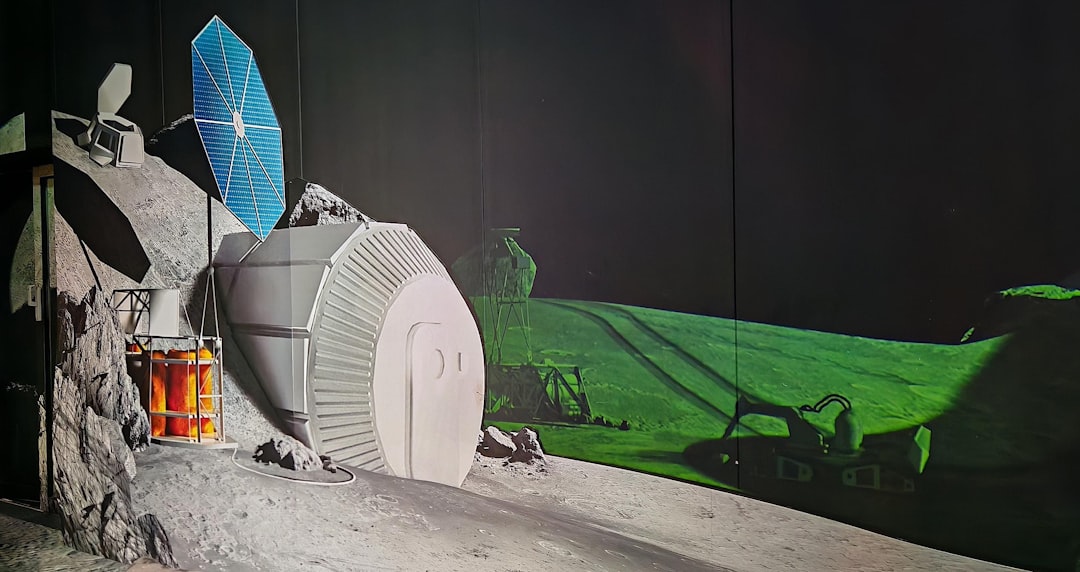
NASA's Artemis 2 mission aims to bring humans closer to the lunar South Pole in preparation for long-term Moon exploration.
NASA’s Artemis program is reshaping humanity’s relationship with the Moon, and Artemis 2 represents a critical step in this journey. Slated for 2026, Artemis 2 will focus on advancing preparations for human exploration of the lunar South Pole, a location considered a key area for future long-term habitation and resource utilization.
A Crew Pushing Boundaries
The Artemis 2 mission will feature a carefully chosen team of astronauts. Although not much detail was provided in the briefing, the names Wiseman, Glover, Koch, and Hansen stand out as key individuals who will participate in this groundbreaking journey. These astronauts highlight an international and diverse crew dedicated to exploring beyond Earth's orbit.
Why the Lunar South Pole Matters
The lunar South Pole holds unique significance for NASA's Artemis program. Unlike previous lunar missions that targeted the Moon's equatorial regions, the South Pole is believed to contain valuable resources, including water ice. These resources could potentially support human life and act as building blocks for creating fuel, making the area an ideal research site for long-term lunar exploration.
Establishing a presence in this region would be pivotal in transforming the Moon into more than just a destination—it could become a sustainable outpost for future missions further into the solar system, including Mars.
A Milestone in Artemis Program’s Vision
Artemis 2 builds on the legacy of Artemis 1, which was an uncrewed mission that tested NASA's Orion spacecraft and the Space Launch System (SLS). While Artemis 1 served as a technological validation, Artemis 2 will bring humans back into the equation, sending the crew on a journey that will orbit the Moon. It also serves as a precursor to Artemis 3, which is expected to add the monumental achievement of landing humans back on the lunar surface.
NASA has set its sights on making space—notably the Moon—a sustainable environment for human activity. This marks a significant pivot from Apollo-era missions, which, while historic, were geared toward brief exploration. The Artemis program's long-term vision could enable deeper space exploration and a broader understanding of how humans can live and work beyond Earth.
Broader Implications
While the immediate focus is the 2026 timeline, the Artemis 2 mission serves as a starting point for what could become humanity’s second home. If successful, the lunar South Pole could transform the Moon from a symbolic goal into a logistical waypoint in space exploration, impacting both scientific research and global aspirations.
As anticipation grows, the program demonstrates the strong collaboration it requires—from technical innovation to international partnerships represented by the crew and resources. Artemis 2 is not just NASA’s achievement; it signals a global step toward space advancement.
The Moon, indeed, is no longer a distant light in the sky but a beacon lighting the way toward a new frontier.
Staff Writer
Emily covers space exploration, physics, and scientific research. Holds a degree in astrophysics.
Comments
Loading comments…


