Artemis II captures stunning 'Earthset' behind the Moon
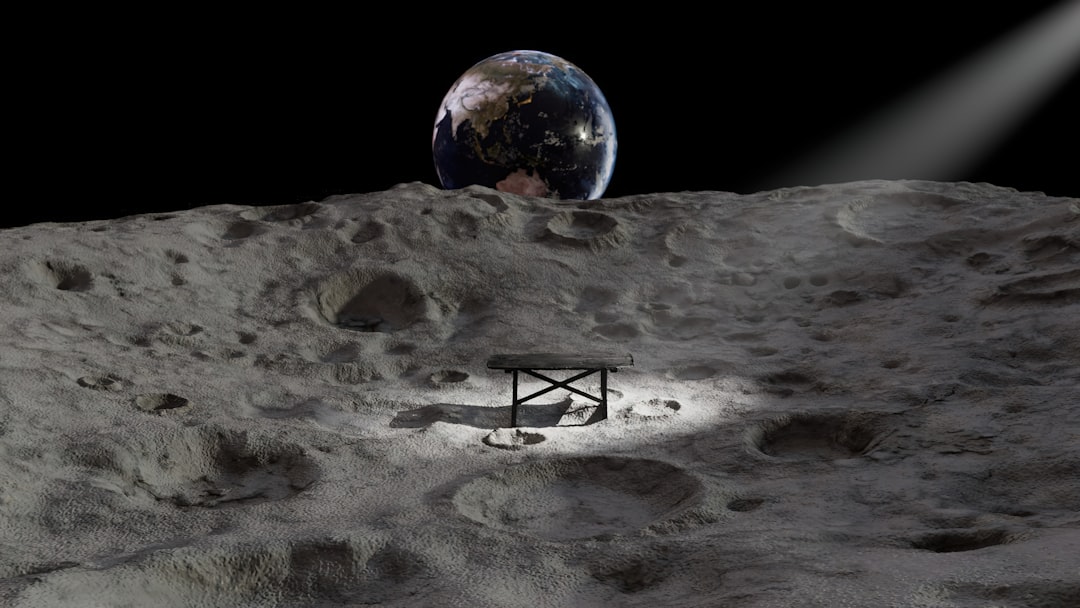
Artemis II astronauts documented an awe-inspiring Earthset behind the Moon, marking a historic moment as they traveled farthest from Earth.
On April 6, 2026, the Artemis II mission achieved a monumental milestone as its crew captured breathtaking footage and photographs of Earth setting behind the Moon. This iconic moment highlighted humanity's farthest journey yet from our home planet, as the mission traveled deeper into space than any human endeavor before it.
Mission commander Reid Wiseman documented the phenomenon with his smartphone, immortalizing the surreal view of Earth disappearing behind the Moon's darkened surface. His astonishment was evident in the exclamation recorded alongside the video: “Would you look at that, man!” The footage offers a poignant perspective on our place in the cosmos.
Adding to this visually stunning moment was mission specialist Christina Koch, whose camera shutter can be heard in the background of the video. The distinct clicking sound captures the effort to preserve this once-in-a-lifetime cosmic alignment. It is a testament to the Artemis II mission's dual focus on documentation and exploration as humanity pushes the boundaries of space travel.
The Earthset imagery is part of a series of photos and videos shared by NASA and can be explored further online. These images not only showcase the technical and artistic skills of the crew but also offer a glimpse of the profound beauty and mystery that awaits humanity as it continues to reach for the stars.
Artemis II, a critical precursor to future lunar landings under NASA's Artemis program, signifies a significant step in rekindling human exploration of the Moon. While no additional details about the mission’s timeline, objectives, or equipment were disclosed in this report, the multimedia shared from this moment alone underscores the program’s broader goal to inspire and unite people around Earth's shared heritage and future in space.
Staff Writer
Daniel reports on biology, climate science, and medical research.
Comments
Loading comments…


