Artemis II Crew Breaks Apollo 13 Record, Flying Farther From Earth Than Any Human in 56 Years
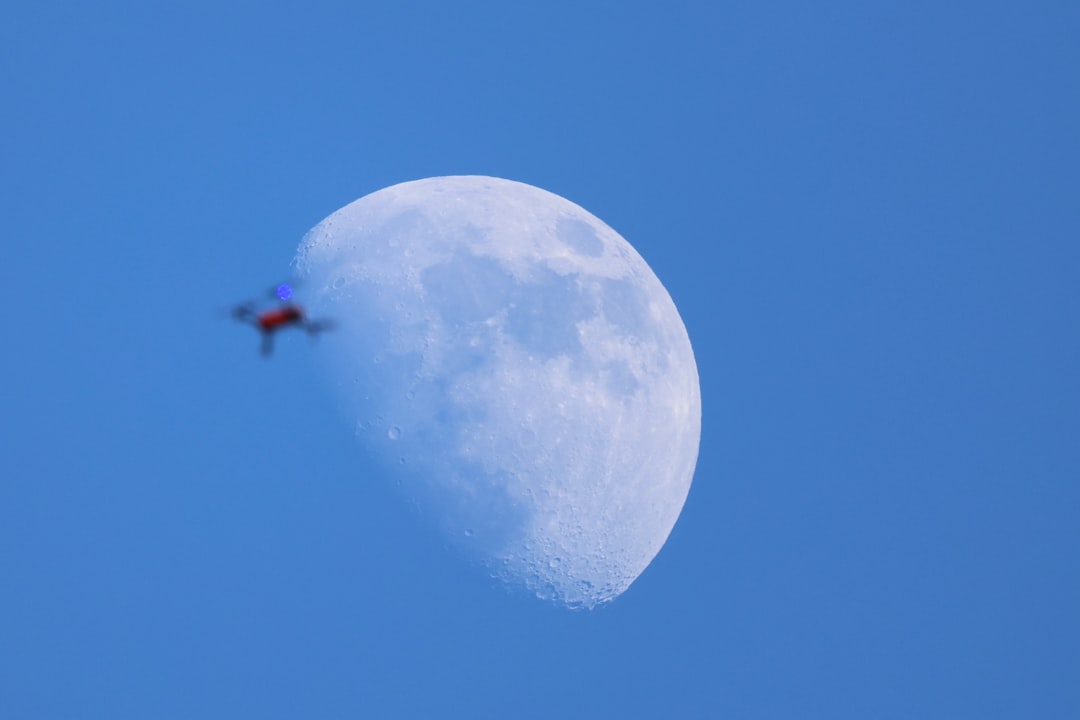
The Artemis II mission broke Apollo 13's 1970 record, sending astronauts farther from Earth than anyone in history during a lunar flyby.
On April 6, 2024, the Artemis II crew achieved a milestone that cements NASA’s reentry into deep-space exploration. Traveling 252,756 miles from Earth, the team of four astronauts broke Apollo 13’s record from 1970, which had previously set the benchmark for the farthest distance humans had ever traveled from our planet. Unlike Apollo 13, this achievement wasn’t an unintended consequence of a life-threatening emergency—it was a carefully planned mission, marking humanity’s first crewed venture beyond low-Earth orbit in over half a century.
Journey to the Record
Lifting off from Kennedy Space Center on April 1, Artemis II set course for a trajectory that mirrored Apollo-era lunar flybys. But this mission had a critical difference—it aimed to test cutting-edge technologies designed to support future landings and extended stays on the moon as part of NASA’s broader Artemis program.
The highlight came during a flyby of the Moon, where the spacecraft hit its peak distance. This flight brought humans farther into the void than any mission since Apollo 13, surpassing that record by over 4,100 miles. The previous record-holding mission was only forced to loop far around the Moon because of an emergency—a catastrophic explosion of an oxygen tank that jeopardized its crew’s survival. In contrast, Artemis II stayed on course by design.
Revisiting the Far Side of the Moon
One of the most gripping parts of any lunar flyby is the momentary blackout while a spacecraft passes the Moon’s far side. For the Artemis II astronauts, this period lasted about 40 minutes as Mission Control in Houston lost all voice and data contact. Unlike Apollo 13’s perilous uncertainties, this blackout was expected—a planned phase in which the spacecraft relied on its internal systems while circling through the shadowy silence. Though brief, such moments underline the profound isolation astronauts face during missions of this scale.
A View Few Have Seen
The Artemis II crew not only achieved unprecedented distance but interacted with the lunar environment in ways no human has in decades. From their vantage point, the astronauts observed lunar craters in high detail, collecting valuable visual data that will guide future surface landings. More poignantly, they witnessed a solar eclipse in deep space, a rare event visible on this trajectory that offered an awe-inspiring juxtaposition of Moon, Sun, and Earth.
These observations go beyond pure science. They're reminders of the unique perspective that space travel offers—a humbling look at our small place in the universe. For a world that hasn’t sent humans this far into the cosmos since Apollo 17 in 1972, such moments reignite the wonder and urgency of space exploration.
Why the Wait?
Why did it take over 50 years for humanity to attempt another crewed lunar mission? The reasons are as much about geopolitics and funding priorities as technology. After the Apollo program concluded, public and political interest in lunar exploration waned. NASA redirected its focus to missions like Skylab, the Space Shuttle program, and later the International Space Station, all of which emphasized orbit-focused activities rather than deep-space exploration.
Technological advancements during this hiatus have reshaped what’s possible. From spacecraft autonomy to life-support systems, the tools available today dwarf what Apollo engineers could have imagined. Artemis II’s Orion spacecraft, for instance, features systems designed to operate with far less manual input, enabling astronauts to focus more on their mission objectives rather than the spacecraft's functions. Looking at both the cost and complexity of maintaining momentum post-Apollo, the wait may have been a necessary step toward sustainable long-term exploration.
Why Artemis II Matters
The Artemis program represents NASA’s renewed commitment to deep-space exploration, but it’s not aiming to replicate Apollo’s brief moon visits. Instead, Artemis seeks to establish a sustainable presence in lunar orbit and, eventually, on the Moon’s surface. This foundation is critical for the program’s long-term goal: paving the way for human missions to Mars.
Artemis II’s success sends a clear message of progress. Demonstrating that humans can safely travel beyond Earth orbit again builds not only technical knowledge but public confidence in NASA’s capabilities. Every milestone mission like Artemis II builds toward the eventual goal of sending astronauts to the Moon’s south pole, selecting lunar sites for extended stays, and developing the infrastructure for interplanetary exploration.
Reflections on Apollo 13
Breaking Apollo 13’s record carries symbolic weight. The 1970 mission remains one of NASA’s most spectacular triumphs over adversity, transforming what could have been a fatal disaster into a testament to ingenuity and teamwork. Artemis II honors that legacy but rewrites it; this mission broke records through meticulous planning rather than crisis management.
While Apollo 13 was a desperate struggle to get astronauts back to Earth, Artemis II is a carefully orchestrated step toward humanity’s return to a Moon we plan to explore more thoroughly than ever before.
What’s Next for Artemis?
As Artemis II concludes its journey back to Earth with its gear safely stowed, attention turns toward Artemis III, the first crewed mission aiming to return astronauts to the lunar surface since 1972. Scheduled for the mid-2020s, Artemis III will land a diverse crew, including the first woman and the first person of color, on the Moon’s surface—a historic step forward in inclusivity and ambition.
This new era of lunar exploration is not just about planting flags and setting records. It’s about forging a sustainable presence on the Moon, building international partnerships, and demonstrating the technological capabilities that will shape the future of interplanetary exploration. Artemis II is, above all, a statement: that humanity is ready to push the boundaries of the possible once more.
Staff Writer
Daniel reports on biology, climate science, and medical research.
Comments
Loading comments…


