Astronaut Sophie Adenot Discusses Life and Work Aboard ISS During Live Radio Contact
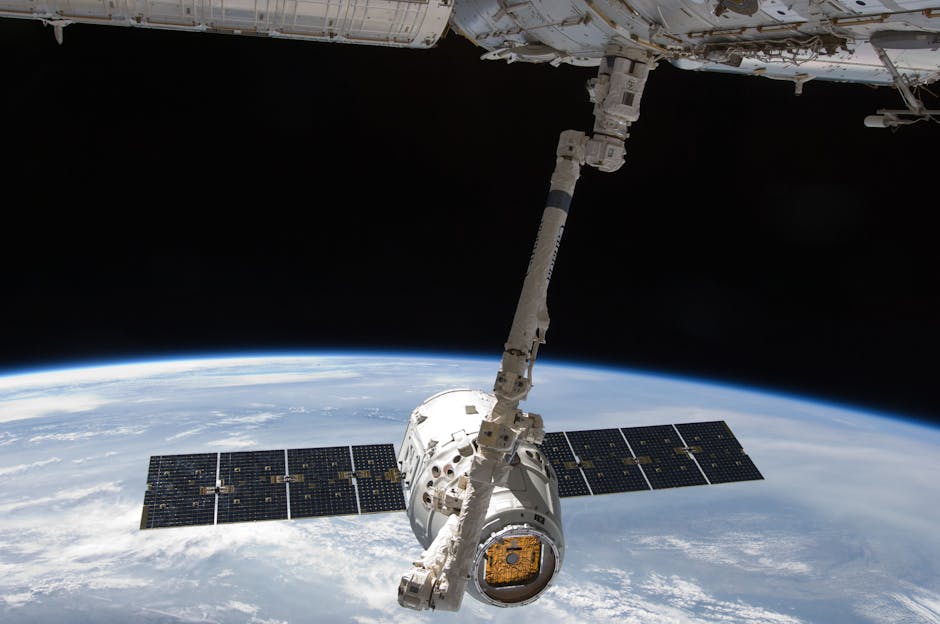
Astronaut Sophie Adenot shares insights on life aboard the ISS, covering topics like language requirements, scientific research, and the challenges of space.
French astronaut Sophie Adenot engaged in a live radio communication from the International Space Station (ISS) on March 19, 2026. Speaking with participants from the Space Louis Center for Educational Research, Adenot shared fascinating facts about daily life on the space station, the importance of multidisciplinary skills, and her perspectives on the future of space exploration.
Communication and Language in Space
During the radio event, Adenot highlighted the importance of language proficiency for aspiring astronauts. English serves as the primary language aboard the ISS, enabling seamless cooperation between international partners. Russian is also vital due to the significant Russian contributions to the station’s modules and operations. French and other languages may add value but are not mandatory. Adept communication among international teams underscores the collaborative spirit of space exploration.
Working as an Astronaut: Skills and Inspiration
Essential Skills for Astronauts
When asked about the skills needed to become an astronaut, Adenot stressed the importance of a broad knowledge base. "All subjects matter, especially those in science and technology," she explained. Beyond technical knowledge, qualities like teamwork, adaptability, and physical fitness also play crucial roles in astronaut training. The diversity of experiences and skills is what prepares astronauts for the unpredictable nature of their work.
Personal Inspiration
Adenot shared how her fascination with women adventurers and aviators shaped her dream of becoming an astronaut. Reading biographies of trailblazers, such as the first French female astronaut, deeply inspired her. These personal stories fueled her passion for exploration and encouraged her to pursue what once seemed like an impossible goal.
Scientific Research on the ISS
Medical Research
Adenot expressed her enthusiasm for the medical research conducted aboard the ISS, calling it her favorite area of study. The unique environment of space offers valuable insights into the workings of the human body. By understanding how the body responds to microgravity, astronauts and scientists can contribute to solutions for medical challenges on Earth.
Experiments and Daily Responsibilities
In response to questions about daily tasks, Adenot described how the crew performs various experiments, including cultivating plants. The research contributes to understanding resource sustainability for future missions and life on Earth.
The Challenges of Space Life
Dealing with Space Risks
Adenot addressed the dangers astronauts must prepare for in space. The three most alarming emergencies aboard the ISS are fires, depressurization (loss of air pressure due to structural damage), and toxic gas leaks. Astronauts undergo rigorous training to handle these situations, ensuring they are prepared for the worst.
Health Concerns
Upon returning to Earth, astronauts face significant health challenges, such as muscle and bone density loss. Adenot likened the recovery process to healing after a long illness but remained optimistic about the effectiveness of post-mission rehabilitation programs. While aboard the ISS, astronauts use specialized equipment, such as a weightlifting machine installed near a window with a view of Earth, to maintain their physical fitness.
Sleep Quality
Adenot also noted the difficulty of getting good-quality sleep in space. She advised limiting exposure to technology before bedtime to improve sleep, a practice that is just as applicable on the ISS as it is on Earth.
Looking to the Future
Preparing for Lunar Exploration
When asked about the next steps in space exploration, Adenot emphasized the need for well-designed spacesuits that allow mobility and endurance for extended periods on the lunar surface. Such advancements are crucial as NASA and international partners work towards establishing sustainable operations on the Moon.
The Ethical Question of Terraforming
Adenot responded thoughtfully to a question about changing the environments of other planets, such as terraforming. She expressed her belief that planets are beautiful in their natural state and should not be altered. However, she acknowledged this as her personal opinion, leaving the question open for future debate among scientists and ethicists.
Encouragement for Future Generations
Adenot encouraged young listeners to hold onto their dreams, no matter how impossible they may seem. She emphasized the importance of methodical preparation, reminding everyone that what once seemed unattainable can become a reality with persistence and effort.
Practical Takeaways
- Proficiency in English and Russian is crucial for working on the ISS. Aspiring astronauts should focus on building strong communication skills.
- Key skills for astronauts include scientific knowledge, physical fitness, teamwork, and adaptability.
- Health monitoring and recovery protocols are integral to long-term space missions.
- Ethical questions, like terraforming, will play a role in shaping the future of space exploration.
- Those interested in space careers should gain experience in STEM fields and participate in team-focused activities.
FAQ
What are the primary languages used on the ISS? English is the mandatory language, as it facilitates communication between international partners. Russian is also significant due to the operation of Russian modules on the ISS.
What are the biggest risks for astronauts aboard the ISS? The three primary emergencies are fires, depressurization, and toxic gas leaks. Astronauts undergo extensive training to prepare for these scenarios.
What does medical research on the ISS focus on? The research helps scientists understand how microgravity affects the human body, contributing to solutions for diseases on Earth.
How do astronauts stay fit in space? Equipment like weightlifting machines is used to counteract muscle and bone loss caused by microgravity.
What advice did Sophie Adenot give to aspiring astronauts? She encouraged young people to dream big, work methodically, and gain broad experiences across science, technology, and teamwork-related fields.
Sophie Adenot’s live discussion offered valuable insights into astronaut life, inspiring future generations to pursue careers in STEM and space exploration.
Staff Writer
Daniel reports on biology, climate science, and medical research.
Comments
Loading comments…


