How a 2026 referendum could transform arts education in schools
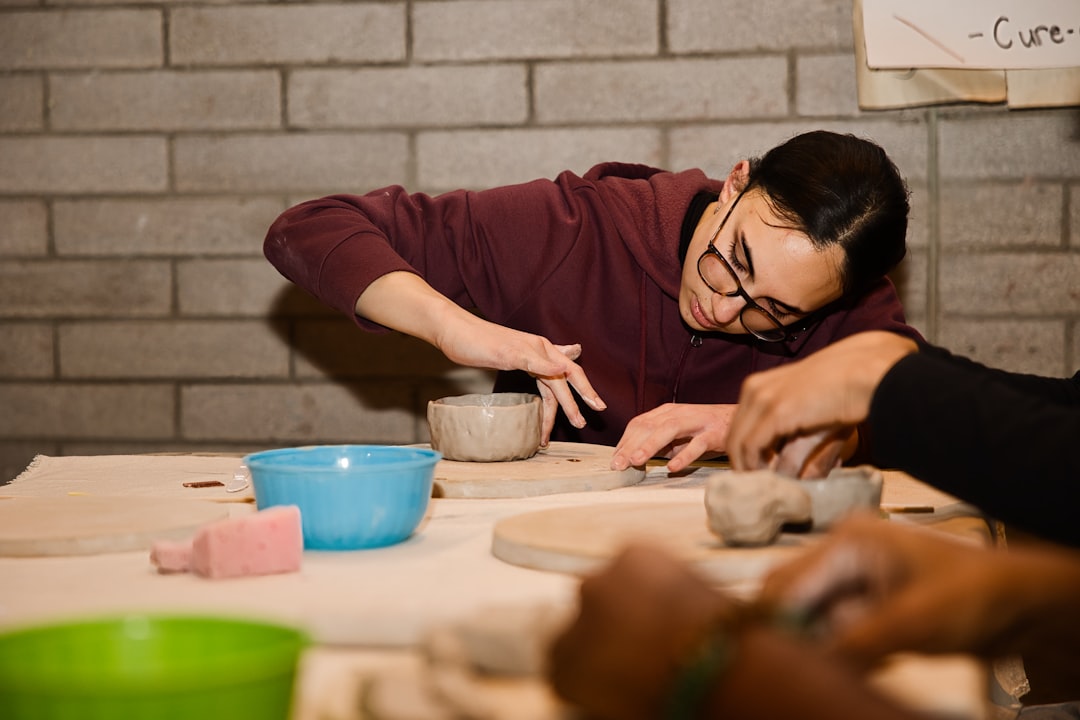
The 2026 referendum aims to expand classroom spaces, providing students more opportunities to embrace art, STEM, and hands-on learning.
The 2026 referendum has the potential to significantly improve the learning experience for students, particularly in specialized classes such as art, STEM, and Family and Consumer Sciences (FACS). By addressing classroom space limitations, the proposal aims to create an environment where creativity and collaboration can thrive.
Space constraints hinder student creativity
Currently, as Abby Trudell, an art teacher, points out, overcrowded classrooms pose a major challenge. Teaching art to 36 students at once in tight spaces restricts the ability to incorporate hands-on activities such as working with clay or engaging in other interactive, creative projects. For students to fully harness their creativity, they need adequate room to spread out, experiment, and work with various materials. The referendum’s approval could pave the way to creating these much-needed facilities.
Trudell emphasizes that middle school is a critical period for students to explore their interests. Whether it is art, STEM, or FACS, offering students a chance to discover their passions is key to their development. However, this exploration requires the right tools and spaces, which are often lacking in overcrowded classrooms today.
The role of expanded spaces in modern education
In addition to art rooms, the 2026 referendum outlines support for expanding STEM and other specialist classrooms. Collaborative projects have become a cornerstone of modern education, and cramped environments can stifle this essential aspect of learning. More space would not only help individual creativity but also promote group interactions, brainstorming, and problem-solving.
Key benefits of expanded classroom spaces:
- Enhanced creativity: Adequate room allows students to engage in hands-on art and STEM experiments more effectively.
- Improved collaboration: Larger spaces facilitate easier group work and cooperative learning.
- Broader exploration: Students can try out a variety of subjects without feeling limited by physical constraints.
Practical impacts for specialist classes
In specialist areas like art, FACS, and STEM, having larger, better-equipped classrooms ensures that students get a more immersive and rounded experience. For example:
- Art classes: More room for projects involving large canvases or mixed media.
- STEM labs: Space for robotics kits, science experiments, and engineering projects.
- FACS rooms: Adequate setups for cooking stations, sewing areas, or other practical activities.
These upgrades would not only enrich educational outcomes but also create an environment where students feel excited and motivated to attend class.
Why middle school matters
Middle school is a formative time for students to explore their interests before high school specialization. Trudell highlights that this is the age when students should be trying out different areas to determine what resonates most with them. Whether it’s experimenting with clay in an art class, tinkering with robotics, or creating culinary masterpieces, the right environment is essential to foster this exploration.
Without appropriate classroom space, schools risk limiting students’ opportunities to discover and develop their unique interests and talents. The referendum could change this trajectory by providing the resources necessary for a more dynamic, hands-on education.
Takeaways for the community
The 2026 referendum is more than just a proposal on paper; it represents a vision for creating better learning conditions for today’s students. If passed, it could directly address issues like overcrowding and insufficient resources in specialized classrooms. This would ultimately allow educators like Abby Trudell to maximize their teaching impact and give students the creative and exploratory opportunities they need to thrive.
By investing in bigger, better-equipped learning spaces, schools can cultivate an environment where creativity, collaboration, and discovery are not just encouraged but fully supported.
Staff Writer
Emily covers space exploration, physics, and scientific research. Holds a degree in astrophysics.
Comments
Loading comments…


