How Tattoos Influence Your Immune System—And Vaccines
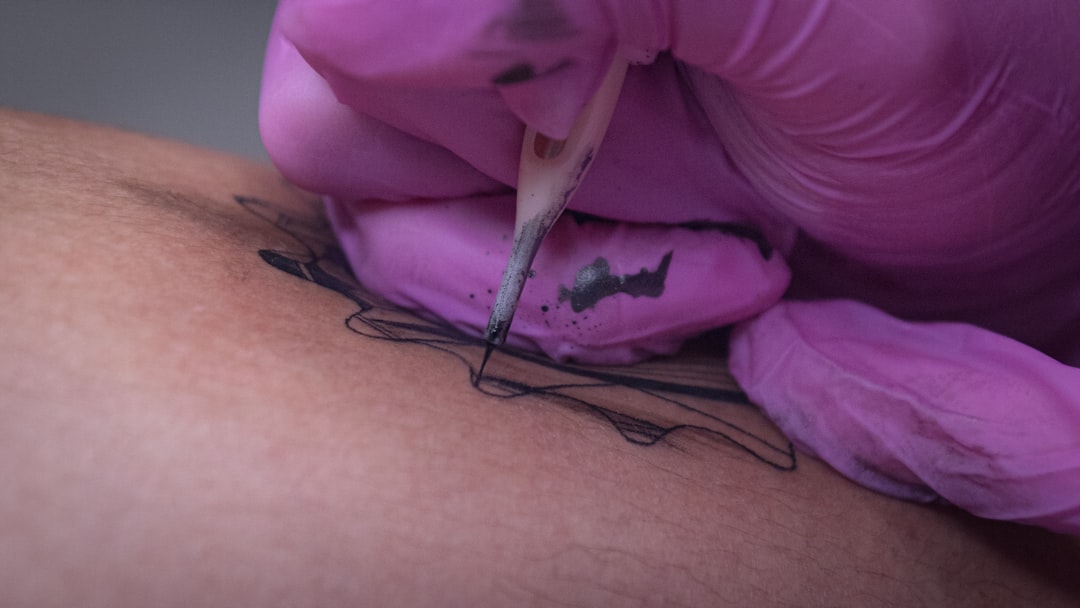
Tattoos are more than skin deep—they engage your immune system long-term, potentially even affecting how your body responds to vaccines.
Over the years, tattoos have become a common form of self-expression, with approximately one-third of Americans and a quarter of the UK population sporting at least one piece of body art. While the aesthetics and personal meaning of tattoos often dominate the conversation, there’s a highly physiological process happening beneath the surface when you get inked. Recent studies suggest that tattoos don’t just sit inertly in your skin—they interact dynamically with your immune cells in ways that may influence your overall immune response, including how your body reacts to vaccines.
What Happens When You Get a Tattoo?
Getting a tattoo involves injecting insoluble pigments suspended in alcohol or water into the dermis, the middle layer of your skin. The pigments can range from natural substances to synthetic chemicals, sometimes including metal oxides. If the ink is of poor quality or the sterilization during application is inadequate, the risks multiply. However, even with high-quality ink and sterile practices, the body views the tattoo process as an invasion.
When the tattoo ink is deposited, your immune system activates, treating the pigment as a foreign object. Specialized immune cells called dermal macrophages arrive at the scene, engulfing the ink particles. These cells don’t break down the pigment but hold on to it, keeping the tattoo in place. Interestingly, when a macrophage dies, another steps in to reabsorb the pigment, ensuring the tattoo doesn’t fade. This lifelong cycle means tattoos are in constant communication with your immune system, a process that can have repercussions.
Tattoos and Immune System Activation
Your immune system doesn’t simply forget about the tattoo after the initial inflammation subsides. A 2025 study investigated the long-term effects of tattoo ink on the immune system using mouse models. Mice tattooed with red, black, or green ink displayed increased activity in their nearby lymph nodes, where immune cells gather to filter foreign materials. The size of these lymph nodes grew noticeably, and the immune signaling molecules in these areas spiked, suggesting sustained immune vigilance.
What stands out is that the immune response varied depending on the color of the ink. Red, black, and green pigments each triggered different levels of immune cell recruitment and signaling intensity. While this heightened immune surveillance is your body’s natural protective mechanism, it raises questions about how tattoos might affect other immune processes, like vaccinations.
Tattoos and Their Impact on Vaccinations
Vaccines rely on the immune system to identify a harmless version of a pathogen or its components and prepare for future encounters. But the study found that tattooed mice had a reduced immune response when given a COVID-19 mRNA vaccine shortly after tattooing. The macrophages tasked with processing the vaccine’s genetic material and presenting it to other immune cells were already preoccupied managing the tattoo ink. This led to lower expression of the spike protein (a key part of the vaccine mechanism) and reduced production of IgG antibodies, which play a critical role in long-term immunity.
The timing of vaccination relative to tattooing also mattered. When mice received the vaccine two months after tattooing instead of two days, the immune interference was less pronounced. This suggests that giving your immune system adequate time to recover post-tattoo could mitigate any potential dampening effects on vaccines that rely heavily on macrophages.
Interestingly, the study observed a different outcome with a UV-inactivated influenza vaccine. Unlike mRNA vaccines, this type doesn’t depend on macrophages to produce antigens. In this scenario, tattooed mice demonstrated stronger immune responses than non-tattooed counterparts, particularly those with red or black tattoos. The heightened immune surveillance caused by tattoos seemed to act as an adjuvant—a substance that enhances vaccine efficacy. Whether this would hold true in humans remains to be verified, but it suggests that tattoos could sometimes prime the immune system in helpful ways.
The Role of Tattoo Ink in Vaccine Delivery
Beyond the interaction between tattoos and traditional vaccination, the 2025 study also hints at the potential for tattoo technology itself to play a role in vaccine delivery. Research dating back to 2008 demonstrated that using a tattoo gun for vaccine injection could be more effective than standard intramuscular methods for certain types of vaccines, particularly DNA-based ones. Subsequent studies have reinforced this finding, with tattoo machines offering precise and repeated micro-injections that can enhance the body’s immune response. Though far from mainstream, innovations in this area could make tattoo-like techniques a unique tool in immunology.
What Does This Mean for Humans?
The research so far offers fascinating insights but also highlights significant gaps. While mouse models are invaluable for scientific exploration, their immune systems are not identical to humans. More studies involving human participants will be crucial to understand exactly how tattoos influence immunity in people and whether these effects have practical implications.
For now, the findings suggest that the type of tattoo ink, the timing of vaccinations relative to tattooing, and the nature of the vaccine itself are all factors worth considering. However, these nuances are hardly the kind of thing you’d think about in a tattoo studio. Most people are understandably more concerned about the design they’re getting than the ink’s latent effects on their B cells.
The Bigger Picture
Tattoos’ long-term engagement with the immune system is a reminder of how interconnected our biology is, with seemingly unrelated choices—like new body art—affecting other areas of health. While it’s premature to draw definitive conclusions about whether tattoos are "good" or "bad" for immunity, the evidence suggests they’re not a neutral factor. Tattoos maintain a unique and lifelong relationship with immune cells, opening the door for further research into their broader impacts.
What seems clear is that the humble tattoo could hold unforeseen value in medical science. With more understanding, tattoos could transition from mere self-expression to tools for enhancing vaccine efficacy or even platforms for innovative vaccine delivery. Until then, it’s another fascinating reason to appreciate the complexity of the human body—and to maybe book your next tattoo after flu season.
Staff Writer
Daniel reports on biology, climate science, and medical research.
Comments
Loading comments…


