Huntsville Celebrates Artemis II Splashdown and NASA's Future
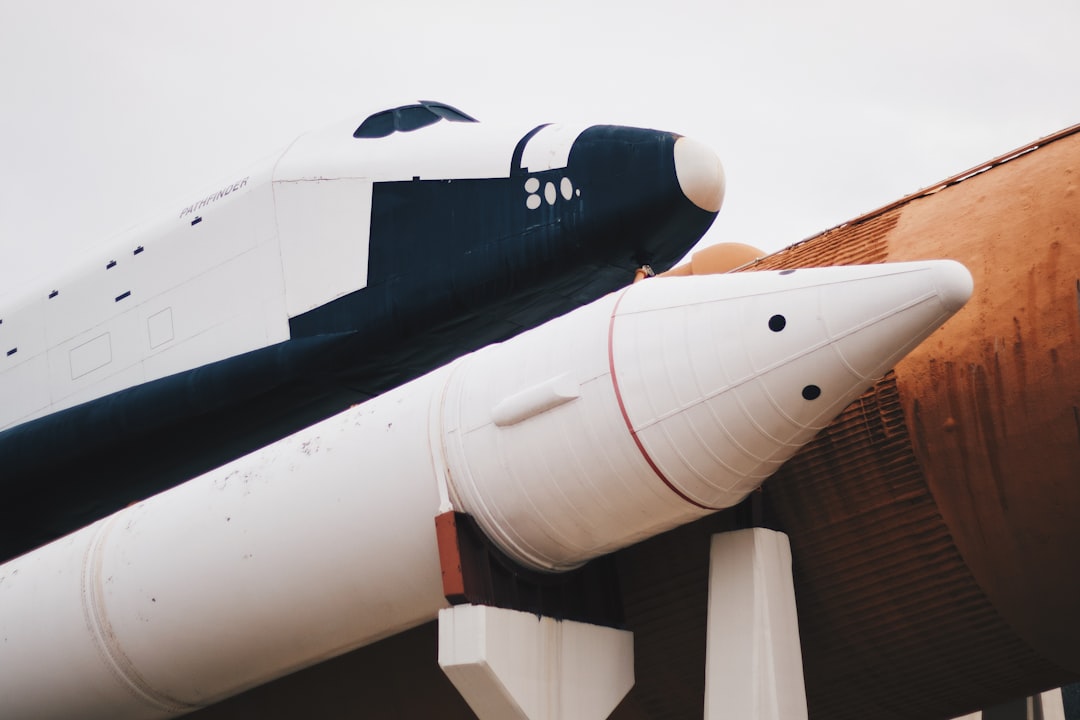
Huntsville honors the Artemis II crew's return, reflecting on its pivotal role in human space exploration.
Huntsville, Alabama, often referred to as Rocket City, marked a triumphant moment on Friday night as it celebrated the successful return of the Artemis II mission. Thousands gathered at Big Spring Park to watch, cheer, and honor the crew’s splashdown and the city’s enduring legacy in space exploration.
A Historic Evening for Rocket City
Huntsville residents came together in what turned out to be a heartfelt celebration of the Artemis II mission’s success. The crewed mission, which lasted 10 days, has been a significant milestone for NASA as part of the Artemis program, aimed at sending humans to the Moon and eventually beyond to Mars. The lively event in Big Spring Park showcased not only the community’s pride but also its substantial connection to the historic mission.
Residents and engineers alike reflected on the city’s unique place in history. As one attendee remarked, "It’s such a spectacular city we have here, always at the heart of progress in space exploration." The sense of pride stemmed not just from the Artemis mission itself but from Huntsville’s long-standing contributions to the space program.
Decades of Innovation in Spaceflight
Huntsville has been a focal point in U.S. space initiatives for decades, hosting the Marshall Space Flight Center (MSFC), a crucial arm of NASA. Marshall’s roots go as far back as the early days of space exploration, playing a pivotal role in iconic programs like Apollo. Wernher von Braun’s legacy, often evoked by mentions of "dancing in the streets" after the Apollo missions, still resonates deeply with the city’s culture and its citizens.
The Artemis II mission serves as a testament to Rocket City's continued importance and influence. Its success was built on years of technological innovation and expertise emanating from this region. According to engineers and experts involved, lessons learned during this mission will now inform the future of human space exploration.
"The information we gathered over the past 10 days lays the groundwork for upcoming missions," one spaceflight technician noted. "While Artemis II was a success, there are areas to fine-tune, ensuring future launches are even more seamless."
The Artemis Mission — A Path Back to the Moon
Artemis II marks a crucial step in NASA’s efforts to return humans to the lunar surface. Following the success of Artemis I, which served as an unmanned reconnaissance mission to ensure the spacecraft’s safety and capabilities, Artemis II tested its systems with human astronauts aboard. The mission culminated in a perfect splashdown, a key moment watched and celebrated by onlookers, including residents in Huntsville.
The Artemis program, as a whole, carries the ambitious goal of establishing a sustainable presence on the Moon by the end of the decade. This long-term lunar exploration effort serves as a proving ground for technologies and plans to send humans to Mars. Central to NASA’s efforts is the Space Launch System (SLS) rocket, developed and managed in part by Huntsville’s very own MSFC. The culmination of decades of research and development, the SLS represents a pinnacle of engineering thought and effort.
A Community Invested in Space Exploration
For Huntsville’s residents, supporting NASA’s Artemis program is more than an abstract notion—it’s a personal stake in humanity’s future. The city has long been home to engineers, aerospace scientists, and visionaries devoted to expanding human reach beyond Earth. During Friday’s celebration, many attendees noted the collective effort that went into Artemis II's success.
One local expert commented, "We owe so much to the groundwork laid here decades ago. The people who once dreamed of moonwalks made this possible, and today’s engineers continue to make those dreams come true."
For the people of Rocket City, celebrating achievements like Artemis II is as much about their own achievements as it is about NASA’s. The Marshall Space Flight Center and its surrounding ecosystem of companies specializing in aerospace technologies have continued to attract talent and investment, building a bridge between NASA’s storied past and its ambitious future.
What’s Next for the Artemis Program?
With Artemis II successfully concluded, NASA now shifts gears to focus on Artemis III. The next mission, slated for 2028, will attempt a historic human landing on the lunar surface. Artemis III aims to set the stage for long-term projects, such as building a lunar base and developing resources needed for Mars expeditions.
Huntsville will undoubtedly remain central to these efforts. From refining the SLS rocket to developing advanced lunar technologies, Rocket City has placed itself at the forefront of the new space age. As NASA and its partners analyze the data collected during Artemis II, engineers in Huntsville are already hard at work applying those lessons to upcoming projects.
Pride and Progress in Huntsville
Friday night’s celebration reflected that Huntsville’s identity is deeply intertwined with space exploration. The return of the Artemis II crew offered the community a chance to look back on its contributions while looking ahead to exciting opportunities.
The enthusiasm of the attendees, many of whom spoke about the symbolism of the Moon and the future of humanity in space, highlighted a key theme: Huntsville isn’t just part of NASA’s history—it’s an active participant in crafting humanity’s destiny among the stars.
Whether cheering on the Artemis II crew under the evening sky or standing behind the engineers working tirelessly at Marshall, Huntsville’s citizens affirmed their place in the story of space exploration. As the Artemis program progresses, Rocket City will undoubtedly play a starring role, perhaps once again inspiring "dancing in the streets."
Staff Writer
Daniel reports on biology, climate science, and medical research.
Comments
Loading comments…


