Look up, Tampa Bay: NASA’s Artemis 2 Marks a Historic Launch
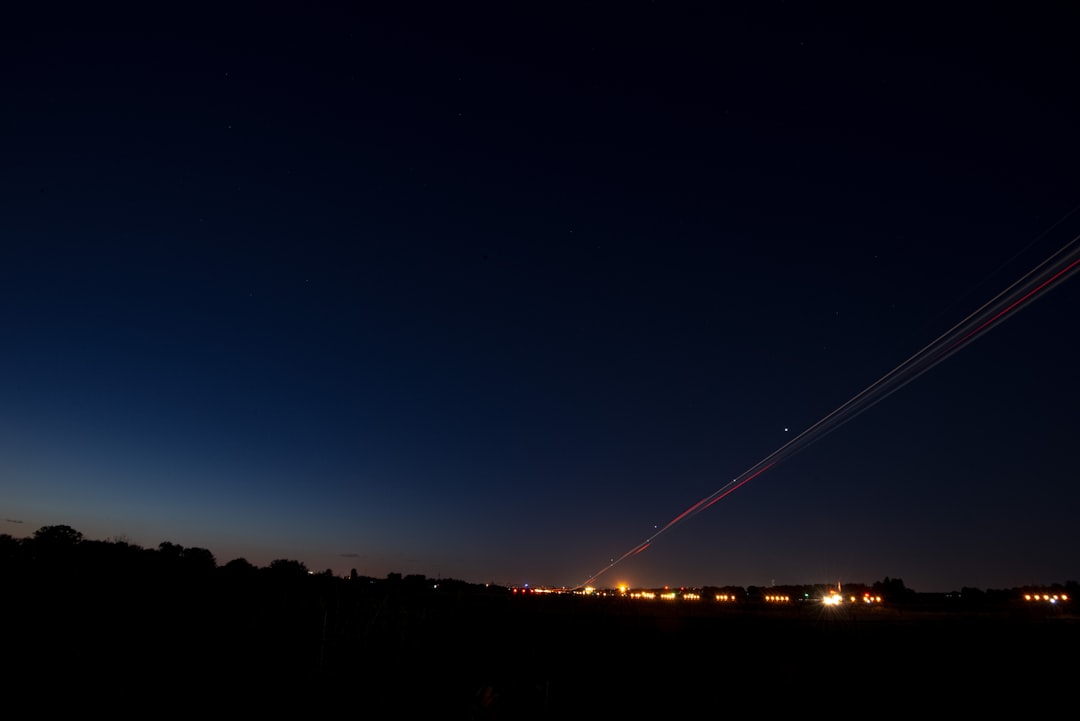
NASA’s Artemis 2, the most powerful rocket ever, launches tonight. Tampa Bay residents may catch a glimpse of this historic moon mission.
Residents of Tampa Bay are in for a rare celestial treat tonight. Starting at approximately 6:24 p.m., NASA’s Artemis 2 rocket is scheduled to lift off, and if skies remain clear, locals can witness a historic moment as the spacecraft streaks eastward through the horizon roughly 40 seconds after launch. More than a spectacle, this event marks a pivotal moment in human space exploration, as humanity takes a major step closer to returning to the moon after over 50 years.
The Return to the Moon
Artemis 2 is no ordinary launch. This mission represents the first crewed lunar voyage since the Apollo program in 1972. With a 10-day mission ahead, Artemis 2 will carry four astronauts on a groundbreaking journey of approximately 685,000 miles. The crew will orbit the moon as part of NASA’s ambitious Artemis program, designed to establish a sustained human presence on and around the lunar surface. By accomplishing this, NASA hopes to set the stage for deeper space exploration, including missions to Mars.
History in the Making
What sets Artemis 2 apart isn’t just the destination—it’s the crew. This mission includes several firsts: the first woman, the first person of color, and the first Canadian to fly beyond low Earth orbit, a feat that underscores NASA’s commitment to diversity and inclusion in space exploration. While the crew won’t land on the moon this time, their mission is crucial in testing systems for future lunar surface missions scheduled beyond 2025.
A Rare Opportunity for Florida Residents
For Tampa Bay locals, this evening presents the opportunity to witness this historic moment firsthand. Artemis 2’s Space Launch System (SLS) rocket, the most powerful ever built, will deliver a dazzling light show visible from various parts of Florida assuming the weather cooperates. Experts recommend stepping outside a few minutes before liftoff and looking east. With the right conditions, the rocket’s fiery trail should be visible to the naked eye about 40 seconds after launch.
Why Artemis 2 Matters
The Artemis program, named after the twin sister of Apollo in Greek mythology, signals NASA’s renewed effort to push the boundaries of human spaceflight. While Apollo focused on achieving the first moon landing, Artemis aims to make lunar exploration sustainable by building long-term infrastructure. Artemis 2 serves as the critical proving ground for Orion, the spacecraft tasked with carrying the astronauts safely to the moon and back. This mission will validate systems ranging from life support to communication in preparation for the upcoming Artemis 3 lunar landing.
What Comes Next
After Artemis 2, NASA plans to launch Artemis 3, which aims to land the first astronauts on the moon since 1972, including the first woman and first person of color. Beyond Artemis 3, the program envisions building the Lunar Gateway, an orbiting laboratory intended to support ongoing exploration of the moon and facilitate future missions to Mars. These efforts mark a bold leap forward in a new era of space exploration and international collaboration.
How to Watch
For those eager to witness this chapter of spaceflight history, all you need to do is step outside. Look east about 40 seconds after the scheduled liftoff at 6:24 p.m. Keep an eye on local weather reports to ensure clear skies for optimal viewing conditions. Whether a seasoned space enthusiast or a casual observer, tonight offers a glimpse of humanity’s boundless ambition as the Artemis 2 crew embarks on their trailblazing journey.
This launch is a reminder that space exploration is not just about reaching new frontiers but also about who we send to explore them. By including diverse participants in its crew, NASA emphasizes that the future of space is for everyone. So Tampa Bay residents, grab a warm jacket, head outside tonight, and look to the sky to witness history in motion.
Staff Writer
Emily covers space exploration, physics, and scientific research. Holds a degree in astrophysics.
Comments
Loading comments…


