NASA and SpaceX celebrate crew-12 launch success, prepare for landmark space missions
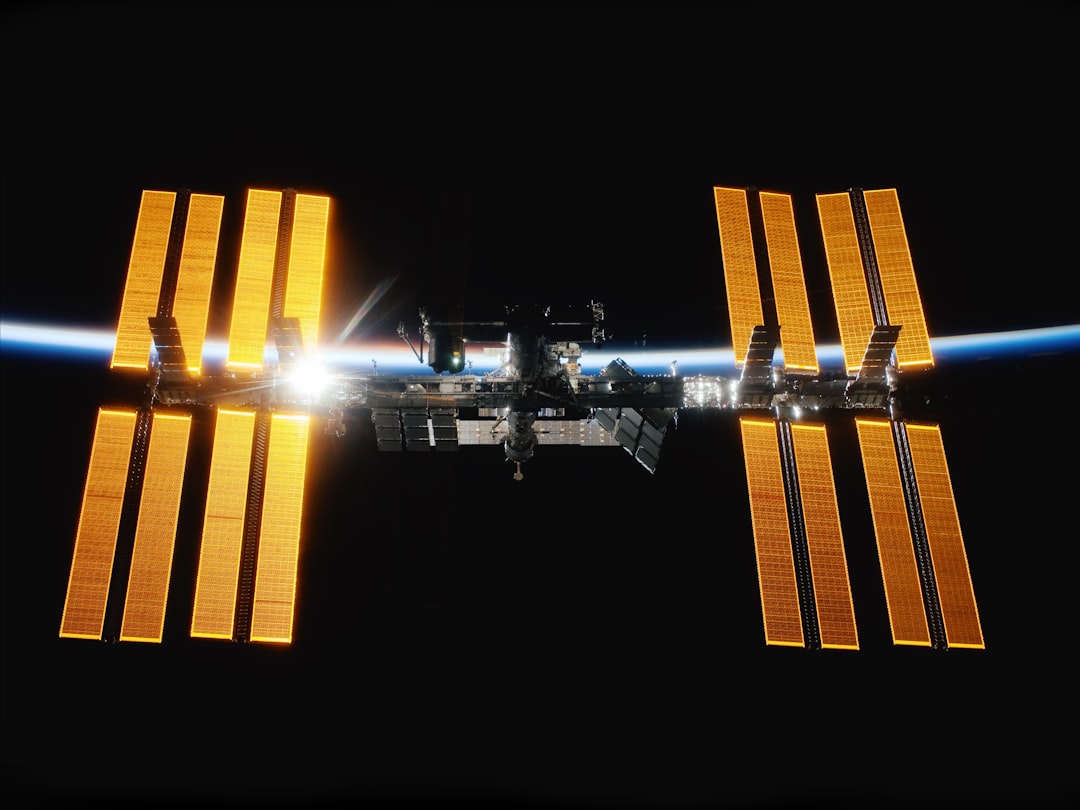
NASA and SpaceX's Crew-12 launched successfully, setting the stage for groundbreaking connections between the ISS and future Artemis lunar missions.
NASA, in partnership with SpaceX, has successfully launched the Crew-12 mission aboard a Falcon 9 rocket, marking a significant moment in space exploration. The latest launch highlights not only advancements in technology but also the collaborative international effort underpinning the mission, with astronauts from NASA, ESA, and Roscosmos joining the crew. As the space community reflects on the success of Crew-12, attention is already pivoting to notable future missions, including Artemis II, which will see NASA making strides toward lunar exploration.
Crew-12 mission launch and objectives
The Crew-12 launch, conducted on February 13, 2026, is the 20th human spaceflight mission for SpaceX and marks yet another milestone in the company's partnership with NASA. The mission utilizes the Dragon spacecraft, "Freedom," which is embarking on its fifth flight after previously supporting missions like Crew-4 and Crew-9. The spacecraft, currently en route to the International Space Station (ISS), is scheduled to dock on February 14 at 3:15 PM EST.
Crew-12 consists of two NASA astronauts, Jessica Watkins and Jack Hathaway, European Space Agency (ESA) astronaut Sophie Adenot, and Russian cosmonaut Andrei Fedorov. This diverse crew will spend roughly six months aboard the ISS, conducting critical research and science experiments while also maintaining low Earth orbit’s (LEO) longest continuous human presence—over 25 years.
Key mission highlights
- Firsts and milestones: Crew-12’s arrival will facilitate the first-ever communication between astronauts on the ISS and the lunar team from Artemis II, underscoring the increasingly interconnected nature of NASA’s space initiatives.
- Scientific research and operations: Experiments aboard the ISS will focus on astronaut health, long-duration spaceflights, and laying the groundwork for future commercialization of LEO.
- International collaboration: This mission exemplifies cooperative international efforts, including work between NASA, ESA, SpaceX, and Roscosmos, in a shared push for space exploration.
Preparations for Artemis II
While Crew-12 marks a milestone in its own right, NASA Administrator Jared Isaacman highlighted the historic nature of the upcoming Artemis II mission during the post-launch conference. Artemis II is poised to become the first human lunar mission in decades, with its launch window opening in early March 2026.
One of the more exciting prospects will be live communication between astronauts aboard Artemis II, en route to the Moon, and the Crew-12 members aboard the ISS. "This is just the beginning," Isaacman noted, emphasizing a future where multiple space stations, lunar bases, and deep-space exploration missions become routine.
Artemis II builds on NASA’s vision of establishing a sustainable presence on the Moon. The mission relies heavily on next-generation technologies and strong partnerships, mirroring Crew-12’s international and commercial collaboration.
Why Artemis II matters
- Preparing for Mars: Artemis II will test the systems necessary to sustain life farther from Earth than ever before, serving as a stepping stone for eventual missions to Mars.
- Setting the stage for lunar exploration: Astronauts will perform various tests to gather the operational data needed to ensure the viability of long-duration missions to the lunar surface.
- Pushing technological boundaries: Innovative AI will play an increasing role, as demonstrated recently with the autonomous Perseverance rover. Future missions will incorporate AI further to aid autonomous navigation and real-time data analysis in distant environments.
SpaceX milestones and contributions
SpaceX remains at the forefront of modern spaceflight innovation. The company has supported 20 human spaceflights, with Crew-12 marking a milestone for its reusable Falcon 9 booster and Dragon spacecraft.
Fun facts from the Crew-12 launch
- Booster landing innovation: For the first time, the Falcon 9 booster returned to its launch site, specifically Landing Zone 40, demonstrating precision advancements.
- Dragon spacecraft’s versatility: This flight marks the fifth reuse of the Dragon Freedom capsule, showcasing SpaceX’s focus on sustainability through reusable spacecraft technology.
- ISS connections: With Crew-12’s arrival, the Dragon spacecraft will have completed 51 visits to the ISS since SpaceX began its human-rated spaceflight program.
Juliana Sharman, director of NASA Science and Dragon programs at SpaceX, summarized the mission's success, celebrating the partnership’s achievements and expressing pride in SpaceX’s contribution to the ongoing expansion of human spaceflight capabilities.
Future plans and challenges
In the coming months, space station activities remain packed with critical tasks. As Crew-12 settles aboard the ISS, scheduled operations include:
- Cargo missions: The docking of SpaceX's CRS-33 Dragon toward the end of February and Northrop Grumman’s Cygnus NG-24 in April 2026.
- Solar upgrades: Crew-12 will carry out extravehicular activities (EVAs) to install modification kits for ISS solar arrays, preparing for future upgrades with new rollout arrays.
- Global collaboration: Continued contributions from Roscosmos include a March launch of the Progress cargo resupply vehicle to support ongoing ISS operations.
Meanwhile, long-term focus points include laying a framework for commercial space station development and increasing the use of AI to support operational autonomy during Mars and extended lunar missions.
Practical takeaways
- Crew-12’s success reinforces the importance of international and commercial collaboration, which is vital for ambitious long-term goals like lunar and Mars missions.
- The mission’s advancements in research, astronaut health, and spacecraft reusability directly support the future of sustainable space exploration.
- New technologies, like automated booster landings and AI-driven operations, are proving crucial as space agencies aim for greater efficiency and self-sufficiency in missions beyond low Earth orbit.
Conclusion
Crew-12’s launch is another significant step for NASA and SpaceX as they push the boundaries of what’s possible in space exploration. From facilitating the first ISS-to-lunar communication to executing cutting-edge science aboard the orbiting laboratory, the mission stands to make a lasting mark on spaceflight history. With Artemis II on the horizon and bold plans for AI and commercial orbital stations taking shape, the collaboration seen in Crew-12 heralds an exciting era for humanity’s journey beyond Earth.
Staff Writer
Daniel reports on biology, climate science, and medical research.
Comments
Loading comments…


