NASA astronaut Anil Menon prepares for groundbreaking Soyuz mission to the ISS
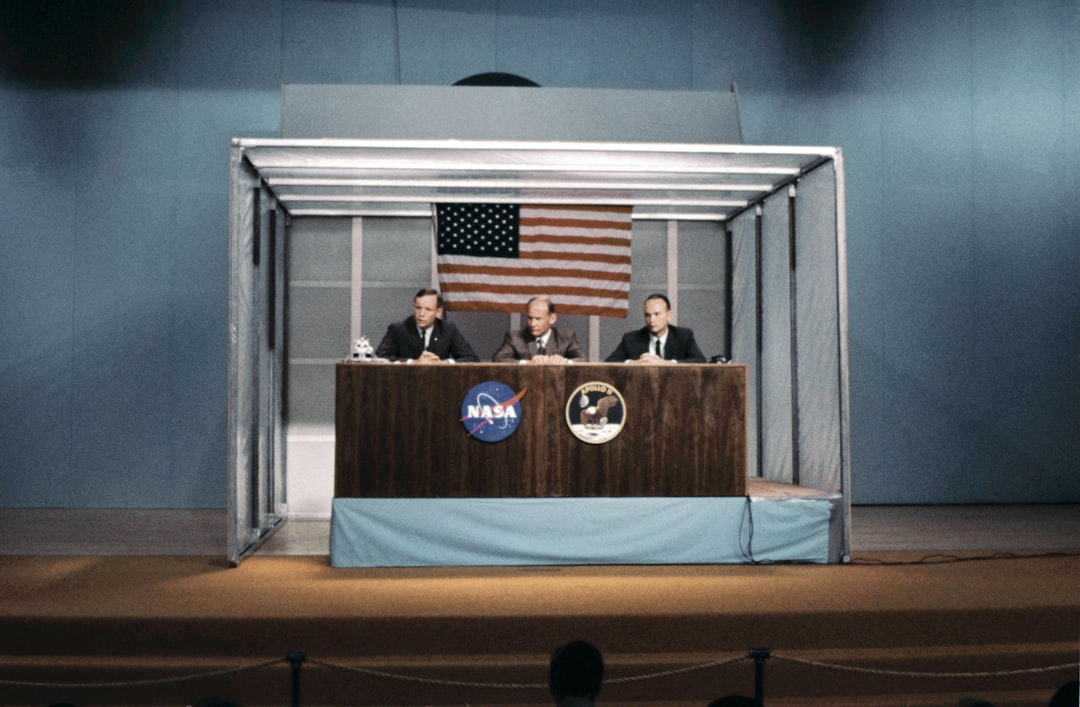
NASA’s Anil Menon previewed his upcoming 8-month Soyuz mission to the ISS, discussing scientific goals, medical research, and personal insights.
NASA astronaut Anil Menon is preparing for an ambitious eight-month mission to the International Space Station (ISS), where he will join an international crew aboard the Soyuz MS-29 spacecraft. Menon recently shared insights into the upcoming mission during a prelaunch press conference held at NASA’s Johnson Space Center on April 29, 2026. The astronaut, who will launch alongside Russian cosmonauts Pyotr Dubrov and Anna Kikina on July 14, emphasized the mission’s scientific goals, its importance to space medicine, and his personal preparations.
A mission focused on science and innovation
Menon, a physician and former emergency medicine specialist, highlighted the groundbreaking research planned for the Soyuz mission. “I’m most excited about growing crystals for microchips,” he said, explaining how this could advance artificial intelligence on Earth while stimulating the emerging space economy. One of the key projects involves bioprinting cartilage, which could pave the way for creating organs and other critical medical components in microgravity. Menon’s work will also include conducting space-related medical experiments, such as using ultrasound diagnostics to better understand health conditions under zero-gravity conditions.
The ISS has long been seen as a testbed for pioneering technologies that benefit both space exploration and life on Earth, and this mission is no exception. Menon shared that these advancements have far-reaching implications, including more autonomous medical care for future missions to Mars or extended stays on the Moon.
Medical expertise meets frontier exploration
Menon’s extensive background in emergency medicine, which includes practicing in remote locations like Mount Everest, adds another layer of significance to this mission. “The equipment has advanced so much in the last decade,” said Menon, referencing portable ultrasounds and other diagnostics now available. “These developments are transformative, especially for long-range missions where telemedicine is limited.”
A particularly intriguing aspect is 3D printing in space. Menon noted that astronauts could someday print medical tools or even dental equipment during missions, a crucial capability for extended periods away from Earth. He also expressed his fascination with the integration of large language models, which can offer automated medical advice in real-time scenarios, potentially transforming healthcare for isolated teams.
Team dynamics and extended missions
When asked about the challenges involved in this expanded eight-month ISS rotation, Menon stressed the importance of adaptability. “We’re trained to handle different durations,” he said, referencing past missions such as Frank Rubio’s record-setting year-long stay aboard the ISS. He acknowledged, however, that teamwork becomes increasingly critical when living and working in close quarters over such a long period. "It’s the subtle interpersonal dynamics—receiving and giving feedback, adapting to new team members—that often pose the biggest challenges," he noted.
This aligns with NASA’s emphasis on human factors training, which teaches astronauts how to manage the psychological and social aspects of long-term missions. Menon reflected that these lessons extend beyond spaceflight, offering valuable life skills applicable across personal and professional settings.
Embracing history and tradition
The Soyuz MS-29 mission holds special significance as one of the final NASA-utilized Soyuz flights before the ISS’s planned retirement later in the decade. Menon expressed his appreciation for the cultural and historical traditions of Russia’s space program, such as signing Yuri Gagarin’s launch ledger and participating in other prelaunch rituals. As someone with extensive experience working with SpaceX, Menon said flying on the Soyuz offered a unique perspective that could provide valuable insights for the development of future vehicles.
Fostering public engagement
In addition to advancing science, Menon hopes to inspire the next generation by sharing his experiences from space. He plans to leverage social media extensively, using tools like onboard iPhones to document daily life aboard the ISS. “NASA is encouraging us to open that window into space,” he said. Menon also aspires to capture breathtaking technical photos, drawing inspiration from astronauts like Don Pettit.
Personal values and preparations
During the press conference, Menon spoke candidly about the personal values that guide his work as an astronaut. “Truth and love are my core values,” he shared. This philosophy shapes his interactions with his crewmates and informs his approach to the technical and emotional demands of space travel. He also shared some of the personal items he’ll bring aboard the ISS, including toys for his young children and a stuffed animal in memory of his late family dog, which will serve as a zero-gravity indicator.
Looking ahead
As NASA and its international partners prepare to close the chapter on the ISS and transition to new space exploration projects, missions like Menon’s underscore the station’s enduring legacy. From advancing cutting-edge research in AI and healthcare to fostering deeper cultural collaboration, the ISS remains a vital platform for humanity’s push toward the final frontier. Menon and his crew’s work will add another layer to this legacy, fueling the technological and human groundwork needed for bold ventures like Moon bases and crewed missions to Mars.
Scheduled to launch in just a few months, Menon’s Soyuz mission is shaping up to be a showcase of scientific innovation and international teamwork. All eyes will be on the ISS come July, as Menon and his crewmates embark on yet another chapter of exploration and discovery.
Staff Writer
Daniel reports on biology, climate science, and medical research.
Comments
Loading comments…


