NASA plans 2028 nuclear-powered Mars mission with SR1 Freedom
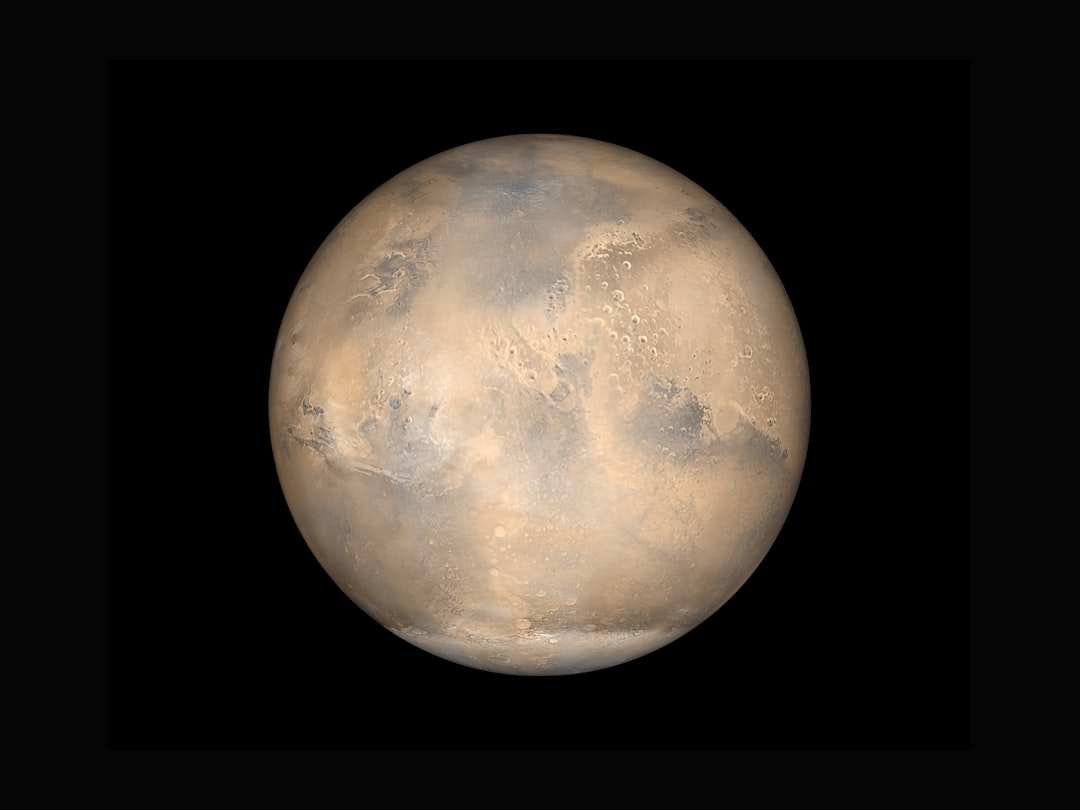
NASA has announced the SR1 Freedom mission, set to launch in 2028, demonstrating nuclear propulsion and innovative exploration of Mars.
NASA has unveiled a pivotal mission set to change the future of space exploration: the SR1 Freedom interplanetary mission. Scheduled for launch in 2028, this initiative will mark the United States’ first substantial use of nuclear power in space. Designed to showcase the effectiveness of nuclear propulsion, this mission could set the stage for sustainable exploration of Mars and beyond.
Achieving Interplanetary Progress with Nuclear Power
For decades, researchers have highlighted nuclear propulsion's potential to move heavy payloads efficiently in space. However, real-world demonstrations have remained elusive—until now. With SR1 Freedom, the transition from theory to application is finally happening.
Nuclear-powered rockets, like the one SR1 Freedom will employ, rely on fission-based energy to propel spacecraft more efficiently than conventional chemical rockets. This capability not only reduces travel time but allows heavier payloads to reach their destination. NASA plans for the mission to serve as a proof-of-concept for these technologies, demonstrating how they might be used for future Mars surface operations and potential deep-space missions to the outer planets.
The Mission Plan: SR1 Freedom and Skyfall Payload
SR1 Freedom will launch before the close of 2028 and is expected to reach Mars roughly a year later. Upon arrival, the spacecraft will deploy its Skyfall payload—a fleet of Ingenuity-class drones inspired by the success of the original Ingenuity helicopter. These drones are equipped to survey the Martian surface and provide critical insights into uncharted regions of the Red Planet.
The mission's dual goals are exploring Mars while proving nuclear propulsion can support large-scale missions. The combination of fission-powered interplanetary travel and innovative exploration tools like the Skyfall drones offers a glimpse into how future Mars missions could achieve far more than previously possible.
Opening Opportunities for Commercial Partnerships
SR1 Freedom isn't only about advancing NASA's own capabilities. The mission aims to pave the way for private-sector involvement in space exploration. By demonstrating nuclear power's efficiency in propulsion and potential surface applications, NASA hopes to attract commercial fission power providers to collaborate on upcoming projects.
This new commercial partnership model could significantly reshape how space missions are funded and executed. From building the infrastructure for sustained operations on Mars to exploring the outer solar system’s icy moons, the inclusion of nuclear power allows for extended mission durations and the ability to operate in challenging environments.
Nuclear Propulsion vs. Traditional Rockets: A Comparison
| Feature | Nuclear Propulsion | Traditional Chemical Rockets |
|---|---|---|
| Energy efficiency | Higher | Lower |
| Travel time reduction | Significant | Limited |
| Payload capacity | Higher | Restricted |
| Operational flexibility | Better in deep space | Earth-orbit optimized |
The SR1 Freedom’s mission underscores how nuclear propulsion can outperform traditional rockets in key areas like payload capacity and mission duration. These advantages are essential for ambitious future ventures, such as transporting crews and equipment for Mars colonization or exploring Jupiter’s icy moons.
Practical Takeaways: Why SR1 Freedom Matters
NASA’s SR1 Freedom mission is more than a technological experiment. It represents a necessary leap for humanity’s long-term presence in space. Here are the key implications:
- Mars Exploration Improvements: The deployment of drones extends exploration into regions otherwise inaccessible, enhancing our understanding of the Martian environment.
- Technology Validation: Proving nuclear propulsion delivers on its promises will de-risk future missions and allow NASA to confidently plan more ambitious projects.
- Commercial Integration: Showing nuclear power's opportunities could create partnerships leading to innovative applications beyond government-funded exploration.
- Sustained Space Presence: Fission reactors could eventually power habitats, providing a stable energy source for life and operations on Mars.
Challenges Ahead
Implementing nuclear-powered propulsion isn’t without obstacles. Safety concerns about radioactive material in space must be addressed, and developing reliable systems robust enough for long-term operations in deep space will require meticulous testing. However, the SR1 Freedom mission shows NASA’s commitment to overcoming these challenges.
Conclusion
NASA’s 2028 SR1 Freedom mission represents a bold step toward realizing the goal of sustained space exploration. Its innovative use of nuclear propulsion, coupled with the deployment of advanced technology like the Skyfall drones, could transform how humans explore Mars and beyond. By fostering commercial partnerships and providing the technological foundation to push further into the solar system, NASA is laying the groundwork for a new era of discovery.
Staff Writer
Daniel reports on biology, climate science, and medical research.
Comments
Loading comments…


