Artemis II Launch: What Comes After the Historic Liftoff
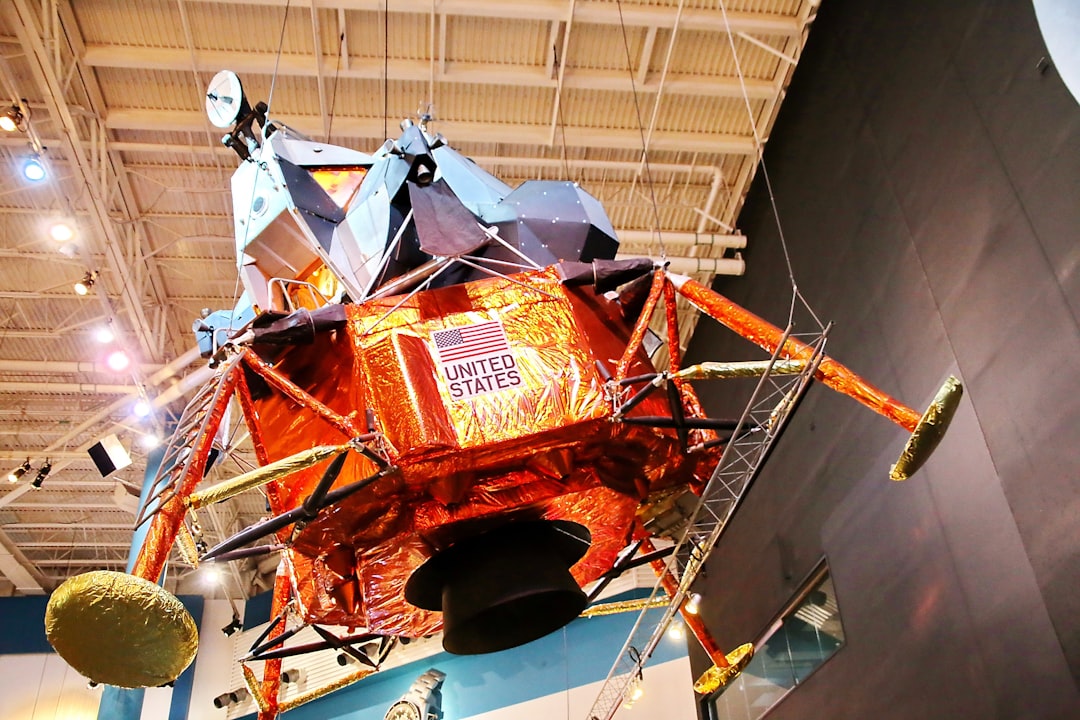
NASA's Artemis II mission marks a historic step toward lunar exploration with a 10-day journey that sets the stage for future Moon landings.
NASA’s Artemis II mission has officially begun, marking the first crewed lunar mission in over 50 years. Yesterday, NASA successfully launched a crew of four astronauts aboard the Orion spacecraft, ushering in a new era of deep-space exploration. While the launch was a momentous occasion, it’s just the opening chapter of this ambitious 10-day journey designed to pave the way for future Moon landings. Here’s what lies ahead for Artemis II.
A Historic Launch and the Journey to the Moon
The Artemis II launch is a significant milestone, bridging the gap between the Apollo era and NASA’s modern vision for lunar exploration. The mission aims not only to test Orion’s capacity for human spaceflight but also to collect vital data that will shape the upcoming Artemis III mission, intended to return humans to the lunar surface.
After lifting off from Earth, the four astronauts completed a series of initial milestones, including manually piloting the Orion spacecraft. This hands-on test ensures the crew’s ability to control the spacecraft if necessary and demonstrates the readiness of the systems onboard.
Trans-Lunar Injection: Committing to Lunar Orbit
Today, the Artemis II crew will execute a critical maneuver known as the trans-lunar injection (TLI). This maneuver uses the spacecraft's engines to adjust its trajectory, committing the mission to a path toward the Moon. The TLI is essential for setting the course for the lunar flyby and ensuring the spacecraft can safely navigate deep space.
Following the successful completion of the TLI, it will take approximately four days for the Orion to reach the Moon. During this transit, the astronauts will spend their time conducting various tests, familiarizing themselves with the spacecraft’s systems, and maintaining communication with NASA’s mission control.
The Lunar Flyby: A Close Approach to the Moon
One of the most significant highlights of Artemis II will be the lunar flyby. The crew is expected to pass within a few thousand miles of the Moon's surface, a proximity that will allow detailed scientific observations. These observations will not only inform future Artemis missions but also deepen our understanding of the Moon's origins and geological history.
As the spacecraft approaches the Moon, the crew will rely on a carefully planned trajectory called a free return trajectory. This path uses the Moon's gravity to slingshot the spacecraft back toward Earth without requiring additional propulsion. This technique, a hallmark of efficiency in space navigation, is also a critical safety measure.
Splashdown and Recovery
After completing the lunar flyby, the Artemis II mission will culminate in a return to Earth. The spacecraft is scheduled to splash down in the Pacific Ocean a little over a week after launch. NASA and U.S. Navy recovery teams will retrieve the astronauts and the Orion capsule, ensuring a safe return for both the crew and the valuable data gathered during the mission.
Why Artemis II Matters
Artemis II is far more than a technical rehearsal; it represents a commitment to the future of human space exploration. By testing the Orion spacecraft’s systems in a deep-space environment and gathering insights from the lunar flyby, NASA is laying the groundwork for a sustainable presence on the Moon. This mission also serves as a stepping stone for future ambitions, including sending astronauts to Mars.
The Artemis program as a whole signals NASA’s renewed interest in the Moon, not just as a destination but as a proving ground for technologies and techniques that will enable exploration of more distant worlds. By focusing on sustainable exploration, Artemis aims to unlock new scientific discoveries and foster global partnerships in space.
What’s Next for Artemis
After Artemis II, NASA plans to launch Artemis III, the first crewed mission to land on the Moon since Apollo 17 in 1972. Using the Space Launch System (SLS) and advanced lunar landing systems, Artemis III will mark the historic return of humans to the Moon's surface. These missions will focus on establishing long-term infrastructure, including lunar habitats and resource utilization systems, to support extended stays on the Moon.
For now, Artemis II holds our collective attention as we watch the mission unfold. Every milestone, from the trans-lunar injection to the lunar flyby and eventual splashdown, will provide invaluable insights that will shape the next chapter in humanity’s quest to explore the final frontier. Stay tuned for updates as the mission progresses.
Staff Writer
Emily covers space exploration, physics, and scientific research. Holds a degree in astrophysics.
Comments
Loading comments…


