NASA Prepares for Historic Artemis II Mission to Orbit the Moon
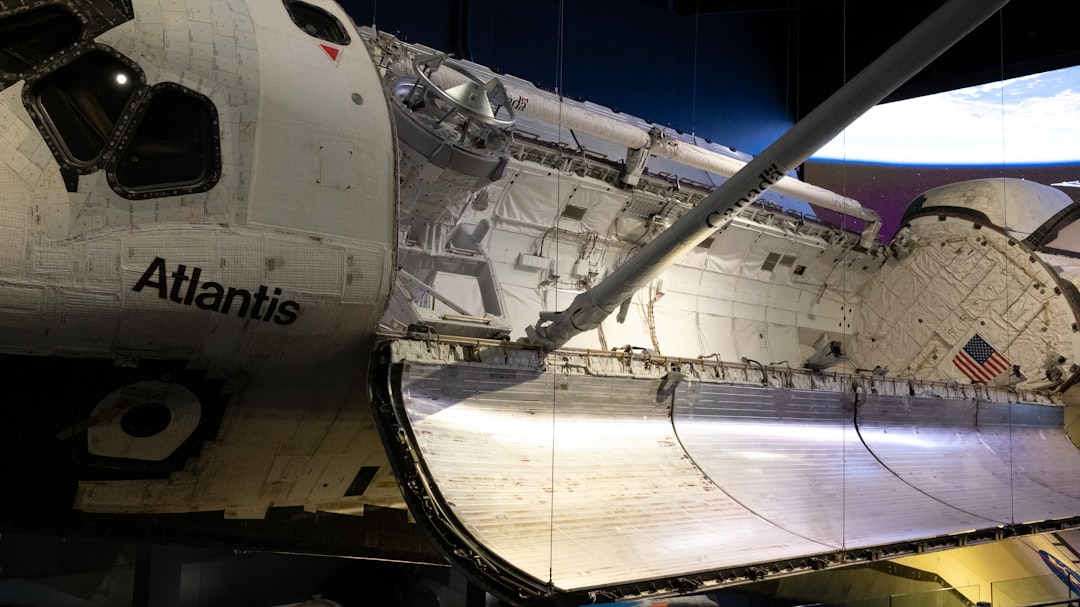
NASA is set to launch Artemis II, the first crewed mission under the Artemis program, in April 2024. The mission aims to orbit the Moon with a team of astronauts.
NASA's Artemis II mission, the first crewed lunar mission in over 50 years, is gearing up for an April 2024 launch. As part of the Artemis program’s ambitious steps toward deep space exploration, this mission aims to send humans to orbit the Moon without landing. The Artemis II rocket, one of the most powerful ever built, has begun its journey to the Kennedy Space Center launchpad, marking a critical step in NASA’s efforts to return human presence to the Moon.
Artemis II: Key Details
The Artemis II rocket, standing nearly 100 meters tall, is the centerpiece of NASA’s efforts to extend human exploration beyond low Earth orbit. It is carried to the launchpad by a massive crawler-transporter, which moves at a painstakingly slow rate of 1 mile per hour.
While the journey to the pad looks slow, the mission itself aims to set records. The four astronauts on board will travel farther from Earth than any human has before. Over the 10-day mission, the crew will orbit the far side of the Moon at a distance of about 250,000 miles from Earth. This will allow them to test vital technologies for longer and deeper space explorations, including a planned lunar base and future missions to Mars.
Highlighting the significance of this mission, astronaut Victor Glover remarked, “We will have the Earth out the window as a single ball, something none of us have seen. And then we’re going to travel a quarter of a million miles away to do science and operations that will inform even greater missions.”
Meet the Artemis II Crew
The crew of the Artemis II mission brings together an international team:
- Reed Wiseman: The mission commander with extensive experience in prior spaceflights.
- Jeremy Hansen: A Canadian astronaut, making Canada the second nation to send a person on a trip around the Moon.
- Victor Glover: An experienced astronaut who served on SpaceX Crew Dragon missions.
- Christina Koch: Known for her record-breaking 328-day stay aboard the International Space Station.
This diverse team of astronauts has been rigorously training for nearly three years to prepare for the complexity and scope of the mission. Their activities will include Earth orbit operations and critical testing to refine plans for upcoming Artemis missions.
A Historic Step Following Apollo
The last human mission to set foot on the Moon was NASA’s Apollo 17 in 1972. While the crew of Artemis II won’t be landing, their return to lunar orbit marks the first significant step in a journey to eventually reestablish a human presence on the Moon's surface.
How It Compares to Apollo Missions
| Feature | Apollo Missions | Artemis II |
|---|---|---|
| Dates | 1969-1972 | April 2024 |
| Lunar landing | Yes | No |
| Crew size | 3 | 4 |
| Mission duration | Around 12 days | 10 days |
| Distance from Earth | Approx. 240,000 miles | 250,000 miles (breaking records) |
What's Next for Lunar Exploration?
While Artemis II is primarily a test mission, it is paving the way for Artemis III, which is planned to land humans back on the lunar surface. NASA aims for a sustainable presence on the Moon, including building a lunar base and researching technologies for deep space missions. Beyond this, Artemis also takes aim at Mars, with critical data expected to be gathered along the way.
This race back to the Moon isn’t exclusive to NASA. China, for instance, has announced plans to land humans on the Moon by 2030, fueling global competition in space exploration. The United States is determined to maintain its lead, not only as a matter of prestige but as a way to advance science and international cooperation.
Challenges and Tight Deadlines
NASA has faced delays and technical setbacks leading up to Artemis II. Mechanical issues and funding delays have slowed timelines, but the agency remains confident about the April 2024 launch. Officials state that the rocket has undergone extensive testing and is ready for the journey ahead.
The Artemis program represents a monumental leap in exploring uncharted regions of the Moon while also preparing humanity for future missions to Mars and beyond. Its success hinges on precise execution, a dedicated crew, and international collaboration.
Practical Takeaways
- Technological Advancements: Artemis II will test new equipment and operational concepts crucial for future deep space exploration, including lunar bases.
- Scientific Records: The crew aims to break records for the furthest distance humans have traveled from Earth, setting new benchmarks in space exploration.
- Global Space Race: With China planning manned missions by 2030, Artemis II is as much about geopolitics as scientific advancements.
Expectations are high for this groundbreaking mission, both for its immediate goals and its potential to lay the groundwork for decades of exploration beyond Earth. NASA’s ability to stick to its planned April 2024 launch date is critical not just to its mission but as a statement about U.S. leadership in space.
Comments
Loading comments…


