NASA Restructures Artemis Program: SpaceX Starship to Replace Boeing SLS in Key Role
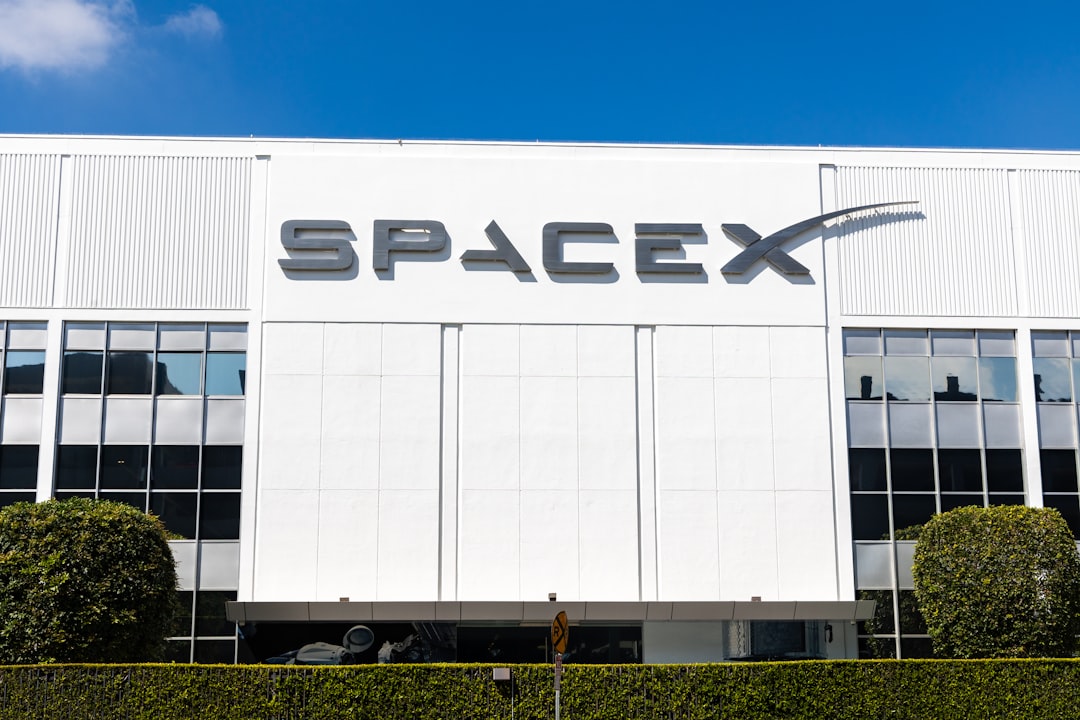
NASA shifts Artemis program dynamics, assigning SpaceX Starship a central role while reducing reliance on Boeing's SLS rocket. Implications for lunar missions.
NASA has made a significant shift in its Artemis lunar mission program. The agency's new strategy places SpaceX’s Starship at the center of crewed moon missions, reducing the role of Boeing’s Space Launch System (SLS) rocket. This shift highlights evolving priorities as NASA seeks efficiency, safety, and scalability in its ambitious plans to return humans to the moon.
The Changing Landscape of the Artemis Program
NASA’s Artemis program aims to put humans back on the moon for the first time since the Apollo era. Initially, the SLS was the backbone of these missions, carrying the Orion spacecraft to lunar orbit where a separate lunar lander would take the crew to the surface. However, the latest restructuring suggests a redefined system prioritizing SpaceX’s Starship as a comprehensive solution for lunar missions.
Previous Artemis Mission Design
Under the original plan, the SLS was to launch the Orion spacecraft and its crew into lunar orbit. At this point, Orion would rendezvous with a lunar lander, transferring astronauts who would then descend to the moon’s surface. The SLS played a pivotal role with its second stage designed for sending Orion beyond Earth.
This setup required coordination between multiple spacecraft in lunar orbit, a process fraught with risks given the limited room for error so far from Earth.
The Updated Approach: SpaceX Starship Takes the Lead
NASA recently canceled the SLS exploration upper stage, substituting it with the Atlas-based Centaur 5 stage. This change appears to have set off a chain reaction leading to a revised lunar mission architecture. Under the new plan, the SLS will transport Orion only as far as low Earth orbit. At this stage, Orion will dock with SpaceX’s Starship, which will take over the mission entirely—handling the journey to the moon, lunar landing, and possibly even the crew’s return to Earth.
This approach presents several advantages:
- Earth-Orbit Transfers: Docking Orion and Starship in low Earth orbit enhances safety. Earth-based systems like the International Space Station and an established satellite network offer better oversight and contingency measures for crew safety.
- Simplified Fuel Logistics: SpaceX may launch Starship ahead of Orion to refuel the spacecraft in orbit, ensuring readiness for the extended trip to the moon.
- Reliability Measures: If issues arise, Earth-orbit transfers allow quicker problem responses, including the option to abort and re-enter Earth's atmosphere.
Impacts on Program Contractors
1. Expanded Role for SpaceX
For SpaceX, this shift marks a turning point. Starship will now act as a fully integrated lunar mission vehicle capable of transporting astronauts, landing on the moon, and returning to Earth. This increased responsibility enlarges both the risks and rewards for the company. New considerations include:[object Detection: Fine tuning the]
- Enhanced landing systems for the moon's surface, possibly modular legs for stability.
- Vertical landing challenges with a spacecraft as large as Starship.
- Solutions for crew disembarkation such as elevators or accessible ramps.
2. Decreased Role for Boeing’s SLS
The role of the SLS is being drastically reduced. Instead of its former responsibility for delivering Orion to lunar orbit, the SLS will now focus solely on delivering the spacecraft to low Earth orbit. Given the high production and operational costs of the SLS, this raises questions about its long-term viability.
3. Possibilities for Blue Origin and Others
Blue Origin's role in the Artemis program remains uncertain. One potential scenario involves collaboration with SpaceX to support the lunar mission, such as providing an auxiliary lander like its Blue Moon for backup phases. Blue Moon could, for example, assist in returning the crew to orbit after a lunar surface mission, reducing Starship’s fuel demands.
Broader Industry Implications
This restructuring highlights a broader shift toward commercial solutions in space exploration. NASA’s increased reliance on systems like Centaur 5 and potentially even United Launch Alliance’s Vulcan rocket underscores this trend. Vehicles originally intended for specific roles are now being reconsidered for general-purpose use, as seen with the Orion spacecraft’s potential adaptability.
The Growing Space-Based Data Race
Beyond the Artemis program, the video also alludes to intensifying competition in orbital computing. SpaceX, Blue Origin, and newcomers like StarCloud are racing to build large satellite constellations for data processing and AI infrastructure. Jeff Bezos’s Blue Origin recently filed plans with the FCC for Project Sunrise, a massive network set to deploy over 50,000 satellites to support AI and machine learning workloads.
- SpaceX’s Data Hub: SpaceX already has a leading position with its Starlink constellation. The company aims to integrate this network with future projects, including its plans for space-based data centers.
- Blue Origin’s Ambitions: Blue Origin’s Project Sunrise aims to create a competitive satellite infrastructure optimized for AI development. With up to 51,600 satellites in the pipeline, it seeks to challenge SpaceX’s dominance in this space.
Both companies recognize how space-based data operations can drive innovation and global connectivity. However, concerns of orbital congestion and potential sustainability challenges loom large as more players join the fray.
Key Takeaways
- NASA’s restructuring of the Artemis program shifts SpaceX’s Starship into a central role for lunar missions, reducing dependence on Boeing’s SLS and expanding Starship’s responsibilities.
- This new architecture emphasizes safety and efficiency. Critical operations like crew transfers will now take place in low Earth orbit, utilizing better monitoring and contingency options.
- SpaceX faces new challenges in refining systems for lunar missions, while Boeing struggles with questions about the SLS’s long-term relevance.
- Competition between SpaceX and Blue Origin intensifies, particularly in the field of space-based data networks and AI infrastructure.
- As NASA leans on commercial solutions for Artemis and other missions, the balance of power among contractors continues to shift dramatically.
These developments signal significant changes for the future of space exploration, lunar operations, and the growing role of private industry.
Staff Writer
Emily covers space exploration, physics, and scientific research. Holds a degree in astrophysics.
Comments
Loading comments…


