NASA’s Artemis II Completes Successful Launch, Initiates Milestones Toward Lunar Orbit
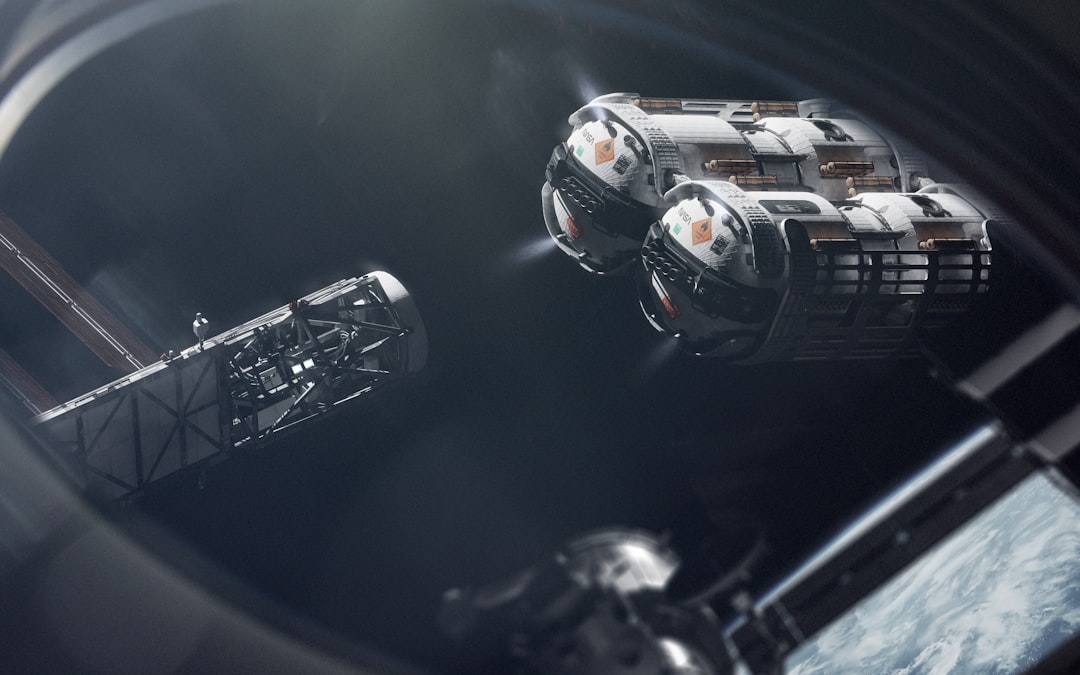
Artemis II successfully launched, sending a four-astronaut crew on NASA's first lunar-bound mission in over 50 years. Key milestones are underway.
On April 1, 2026, at 6:35 p.m. Eastern Time, NASA launched the Artemis II mission, marking the first crewed trip toward the Moon in over five decades. Propelled by NASA’s towering Space Launch System (SLS) rocket, the Orion spacecraft is carrying four astronauts—Commander Reid Wiseman, Pilot Victor Glover, Mission Specialist Christina Koch, and Canadian Space Agency Specialist Jeremy Hansen—on a historic mission that sets the stage for humanity’s return to the lunar surface. This mission represents a vital step in NASA’s broader Artemis program, designed to lay the groundwork for long-term lunar exploration and establish a sustainable human presence on the Moon.
Artemis II Launches Successfully
The launch unfolded flawlessly, with the SLS rocket generating a staggering 8.8 million pounds of thrust to propel the crew into Earth’s orbit. Administrator Jared Isaacman, speaking during the post-launch press conference, described the event as “America's grand return to the Moon,” emphasizing the mission’s critical role in resuming human exploration of cislunar space after a 54-year hiatus.
Approximately 51 minutes post-liftoff, a temporary communications issue arose during a satellite handover in Earth orbit. While the mission control team in Houston could transmit messages to the astronauts, responses from the crew were not being received. The issue was quickly resolved, and both forward and return communication links were restored. Isaacman noted that ground teams are analyzing the root cause of the anomaly, which could stem from a ground station or satellite handoff configuration. Beyond this minor hiccup, all systems continue to perform nominally, and the mission remains on track.
Orion’s Milestones En Route to Lunar Orbit
The Orion spacecraft is currently executing a series of planned maneuvers to place it on a stable high Earth orbit before transitioning to the Translunar Injection (TLI) phase. Among these is the critical apogee raise burn, which ensures that Orion is on the proper trajectory for its voyage into deep space. According to the astronauts' latest communication, the ignition for this burn was updated to occur at 1:46:07 in Mission Elapsed Time (MET), lasting a total of 18 minutes and 6 seconds. These timings and trajectory adjustments were carefully analyzed by flight dynamics officers on the ground, ensuring precision and alignment with mission objectives.
The spacecraft’s ultimate trajectory will bring it into a high Earth orbit spanning 43,000 miles, a unique ascent that takes the crew past most of Earth’s tracking and data relay satellites (roughly 23,000 miles above the planet). At that point, Orion will transition to data communications through NASA’s Deep Space Network, a system vital for operations in cislunar and interplanetary space.
Astronaut Operations and Health
During the press briefing, NASA officials detailed the crew’s busy schedule during the initial hours of the mission. Astronauts are acclimating to zero-gravity conditions, performing spacecraft checkouts, and working on tasks vital to mission success. Adjusting to microgravity can initially reduce appetites, as noted by Norm Knight, NASA’s Director of Flight Operations, who confirmed that planned meals and snacks have been pre-positioned aboard Orion. The astronauts’ dietary intake and physiological health are being carefully monitored by ground teams at NASA’s Johnson Space Center.
The crew has been following a demanding timeline, including tasks associated with deploying solar arrays, managing systems evaluations, and preparing for the Proximity Operations Demonstration, which will test Orion’s maneuvering capabilities under astronaut control. NASA astronaut Victor Glover will pilot this important test with support from Commander Reid Wiseman, while Christina Koch and Jeremy Hansen observe and document operations from the spacecraft’s observation windows.
Addressing Anomalies
Artemis II, while primarily a flight test, has encountered minor anomalies that are being addressed in real time. For example, one of Orion’s four water tank crossover valves was discovered to be closed instead of open during launch, necessitating a reset. Additionally, an issue with a toilet controller and a transient radiation-induced electronics failure have been noted—both anticipated hiccups in deep-space test environments. NASA officials emphasized that such challenges contribute essential data for refining spacecraft systems in preparation for future missions.
Artemis Program Goals and Next Steps
The Artemis II mission serves as a critical proving ground for the technologies and protocols needed for extended crewed deep-space explorations. Following the current high Earth orbit phase, Orion will undergo Translunar Injection before reaching cislunar space. The mission will last a total of 10 days, with astronauts returning to Earth for splashdown in the Pacific Ocean, signaling the success of this pivotal phase in NASA’s long-term lunar ambitions.
Looking ahead, the Artemis III mission will build upon Artemis II by attempting to land astronauts at the lunar South Pole, a key step toward establishing a lasting lunar gateway for both scientific discovery and commercial innovation. The Artemis program further aims to foster global partnerships and pave the way for future missions to Mars.
Broader Implications
Artemis II stands as both a technical and symbolic achievement in the realm of human space exploration. It underscores the United States’ commitment to maintaining leadership in space exploration while inspiring a new generation of scientists, engineers, and explorers. Administrator Isaacman summarized this mission succinctly: “Every flight test brings us closer to the Moon, and eventually, Mars. The data from Artemis II will shape the future of human exploration."
As Artemis II blazes onward, the world is watching closely, not just for its technical milestones but for the hope and inspiration it brings as humanity takes its next bold step into the cosmos.
Staff Writer
Emily covers space exploration, physics, and scientific research. Holds a degree in astrophysics.
Comments
Loading comments…


