NASA’s Artemis II Moon Mission Lifts Off
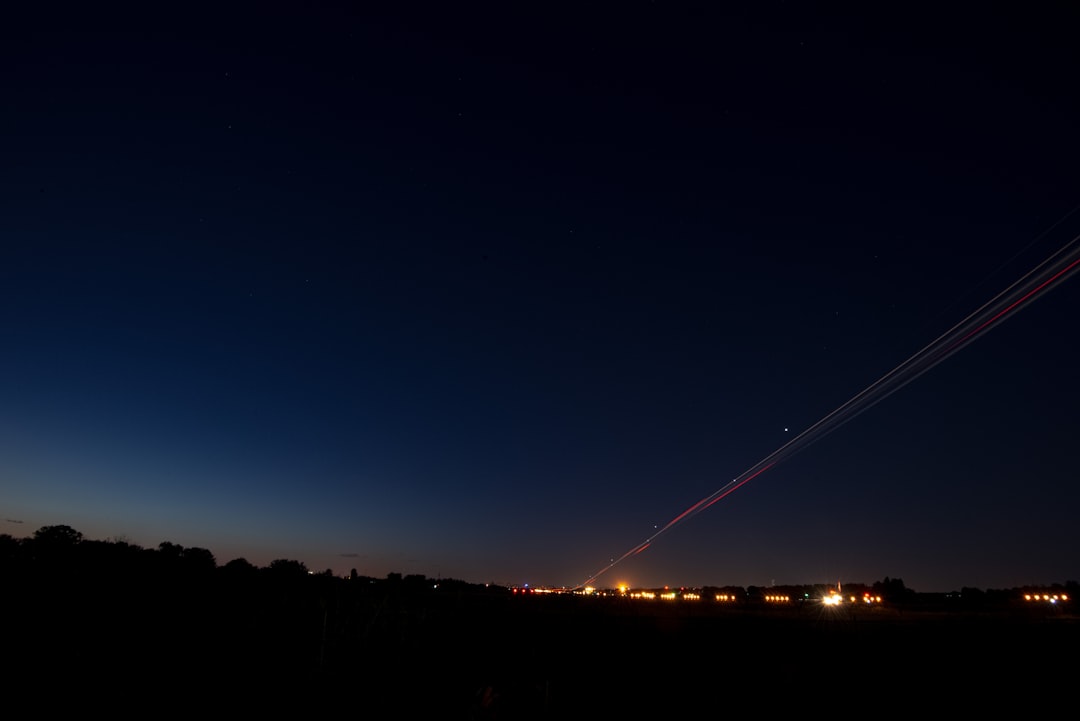
Artemis II marks humanity’s return to lunar exploration, with Integrity launching successfully toward the moon.
NASA has taken a significant step in the next chapter of human space exploration with the successful launch of its Artemis II mission. The rocket carrying the Integrity spacecraft lifted off smoothly, marking the beginning of humanity’s return to the moon after over five decades.
At launch, the Integrity spacecraft left Earth under the direction of Houston Mission Control. Shortly after liftoff, as the booster ignited and the rocket soared through the atmosphere, mission controllers confirmed a "good roll pitch," ensuring the spacecraft maintained proper orientation during its ascent. The communication exchange between the crew onboard and mission control set the tone for what promises to be an ambitious and carefully timed expedition to lunar orbit.
What Artemis II Represents
Artemis II builds on the successes of Artemis I, an uncrewed test flight to assess the capabilities of the Space Launch System (SLS) rocket and the Orion spacecraft. Unlike its predecessor, however, Artemis II carries a crew, positioning it as NASA's first crewed mission under the Artemis program. This program aims to establish a sustainable human presence on the moon in preparation for future Mars missions.
By sending humans to the vicinity of the moon, Artemis II is essentially a dress rehearsal for future landings. The crew’s objectives include testing critical technologies and their spacecraft’s systems in a high-radiation environment beyond Earth’s low orbit, a step that NASA deems essential for ensuring the safety and feasibility of subsequent lunar surface missions.
The Integrity Spacecraft and Its Mission
Key to the mission is the Integrity spacecraft, which serves as the crew module for the journey. With its advanced life-support systems, navigation equipment, and radiation shielding, the Integrity is designed to accommodate astronauts for long durations while safeguarding them from the challenges of deep space. The spacecraft will navigate a hybrid path that loops around the moon before returning to Earth, providing a valuable opportunity to monitor crew operations and test vehicle performance in lunar orbit.
Another critical component of the Artemis II mission is communication. The improved space-to-ground systems deployed in this mission allow real-time data transmission between the spacecraft and Houston Mission Control. This capability ensures that every maneuver and system update is carefully monitored and adjusted as needed.
Historical Context and the Path Ahead
The Artemis program reignites ambitions last realized during the Apollo era in the 1960s and 1970s, when humans first set foot on the moon. Yet, the goals of Artemis extend far beyond the reach of its predecessor. Whereas Apollo focused primarily on demonstrating the feasibility of lunar landings, Artemis envisions creating a sustainable infrastructure in lunar orbit and on the surface.
Key to this vision is NASA's commitment to inclusivity and international cooperation. Artemis is designed to represent humanity as a whole, with diverse crews and partnerships that include not just NASA but also agencies like the European Space Agency (ESA), Canadian Space Agency (CSA), and others.
Who Benefits and Why It Matters
Artemis II is an essential precursor to Artemis III, which will aim to return humans to the lunar surface, including landing the first woman and first person of color on the moon. The long-term objectives of the Artemis program include leveraging lunar resources, such as water ice, to produce rocket fuel and sustain long-term deep-space missions.
For the scientific community, missions like Artemis II promise a trove of data on lunar geology, solar radiation, and the potential for long-term human habitation on other celestial bodies. For humanity as a whole, it reignites a collective sense of curiosity and ambition that could galvanize further investments in space exploration and technological innovation on Earth.
What Comes Next
Following Artemis II, NASA’s roadmap includes refining its deep-space transport technologies, constructing the Lunar Gateway—a space station in lunar orbit—and developing advanced habitats and exploration vehicles for sustained moon missions. Artemis III is slated to include a lunar landing, and subsequent missions will push the boundaries further with new technology and an increased focus on international collaboration.
As Artemis II embarks on its audacious journey, the mission not only reflects NASA’s technological capabilities but also embodies the universal desire to explore uncharted frontiers. It’s not just a rocket heading for the moon—it’s humanity reaching upward, toward the next great chapter in our shared narrative of exploration.
Staff Writer
Daniel reports on biology, climate science, and medical research.
Comments
Loading comments…


