NASA's Artemis II Prepares for Rollout and Launch
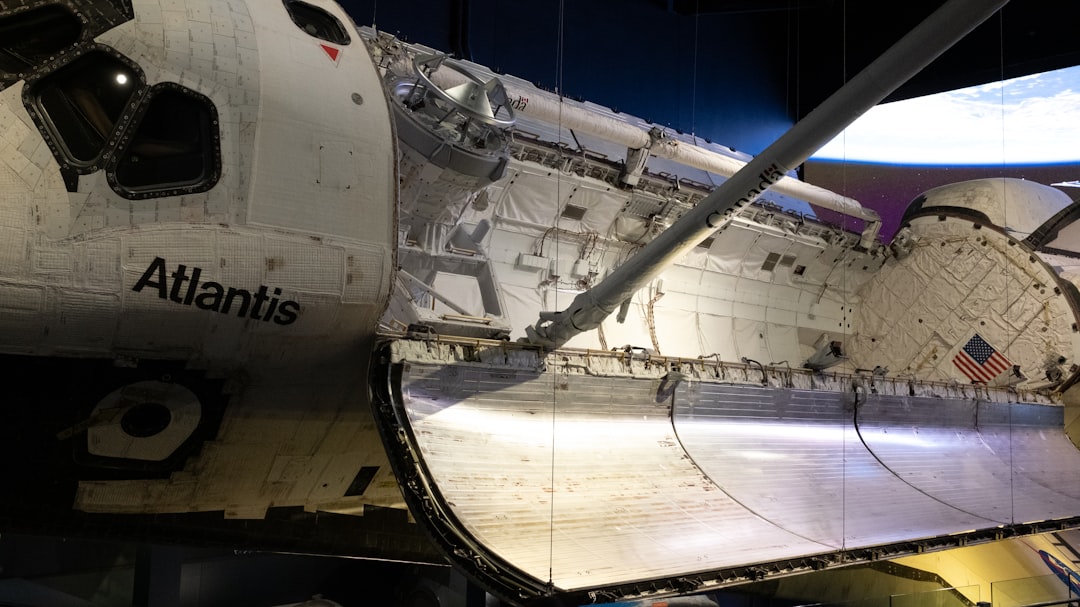
NASA's Artemis II mission prepares for rollout from Kennedy Space Center, with plans to launch as early as April 2025. Live views available March 19.
NASA’s Artemis II mission, the next step in the ambitious Artemis program, is setting the stage for crewed lunar exploration with a planned rollout of the rocket on Thursday, March 19. Live views from Kennedy Space Center in Florida will showcase the spacecraft as it moves from the Vehicle Assembly Building (VAB) to Launch Pad 39B, marking a critical milestone in the pre-launch preparations.
Artemis II: Key Milestone Toward Lunar Exploration
Artemis II is a pivotal mission designed to extend NASA’s reach beyond Earth’s orbit. It features a crewed spacecraft that will orbit the Moon as part of NASA’s effort to enable lunar scientific discovery and establish a foundation for human missions to Mars. While no specific names of astronauts or technical specifications of the spacecraft have been provided, the mission represents a critical stepping stone in NASA’s broader vision of exploring the Moon’s surface and beyond.
Live Coverage of Rollout at Kennedy Space Center
Beginning March 19, NASA will provide uninterrupted live footage from the Kennedy Space Center, allowing the public a rare, behind-the-scenes look at the intricate process of moving a massive rocket. Transporting the Artemis II vehicle from the VAB to Launch Pad 39B underscores the significance of preparing both the rocket and the infrastructure for the eventual launch. This rare event offers space enthusiasts and the general public a glimpse into the meticulous steps necessary to put such a groundbreaking mission into motion.
Launch Readiness Assessments Underway
The Artemis II launch window is set to open as early as Wednesday, April 1. However, NASA has clarified that the final launch date will only be selected once the mission management team completes flight readiness assessments. These evaluations will focus on the entire Artemis II operation, including the performance of the spacecraft, the reliability of the launch infrastructure, and the readiness of the operations teams.
As NASA continues to balance ambitious timelines with the rigorous safety requirements for human spaceflight, the mission management team will place significant emphasis on ensuring that every system is fully prepared before the rocket leaves Earth.
The Broader Goals of Artemis
The Artemis program is more than just reaching the Moon. NASA sees Artemis as a multi-faceted initiative aimed at advancing human exploration for both scientific and economic benefits. By conducting lunar missions, NASA is contributing to technological developments that can be directly applied to Earth’s industries, while simultaneously focusing on the eventual goal of enabling sustained crewed missions to Mars.
The Moon serves as a testing ground for understanding the challenges of long-duration spaceflight and living on other celestial bodies. By solving these challenges now, NASA hopes to accelerate advancements in how humans explore and sustain life away from Earth. Artemis II’s success will play a crucial part in building this long-term strategy.
Watch and Learn
Interested viewers can visit NASA’s official website to access the live feed starting March 19. For more information about the Artemis program and other upcoming missions, NASA encourages the public to visit their Artemis webpage. The link https://www.nasa.gov/artemis serves as a resource for those who want to learn more about these groundbreaking endeavors.
What’s Next?
As Artemis II advances toward its anticipated launch date, all eyes are on the critical rollout process and the readiness reviews that will determine when the mission proceeds. With NASA’s plans to send humans further into space than ever before, this mission represents another step toward exploring new horizons for humanity.
Stay connected to NASA’s updates for the latest developments and discoveries as Artemis II prepares to inspire the world with its journey around the Moon.
Staff Writer
Daniel reports on biology, climate science, and medical research.
Comments
Loading comments…


