NASA's Artemis, Starship, and the Future of Lunar Exploration
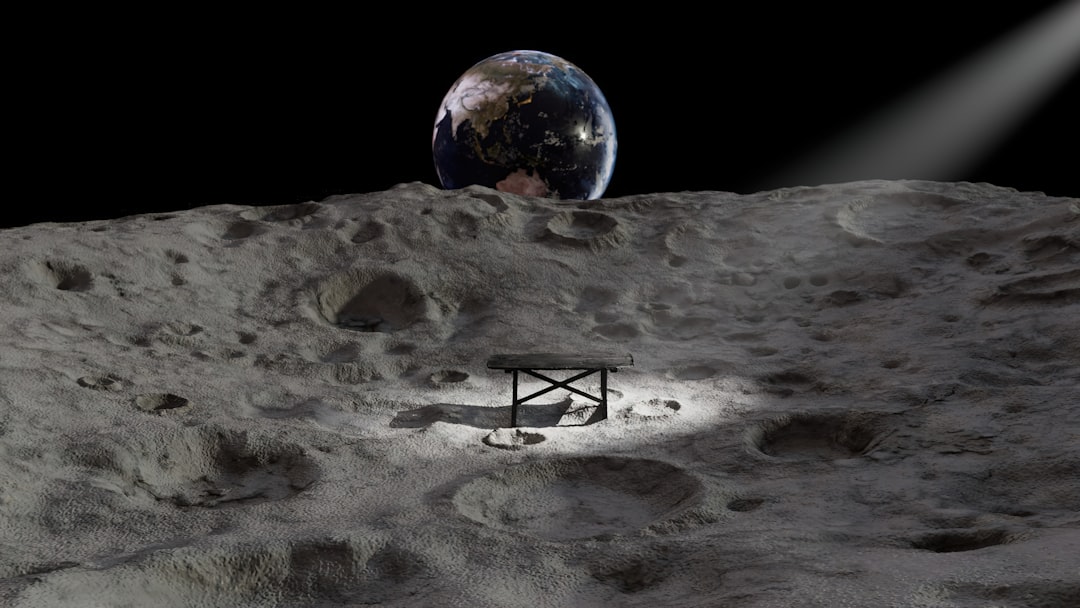
NASA's Artemis program progresses as SLS prepares for Artemis 2. Starship and Orion could redefine lunar missions, while Rocket Lab and Blue Origin expand capabilities.
NASA’s Artemis program is entering a critical phase as the Space Launch System (SLS) and Orion spacecraft for Artemis 2 prepare for launch. Meanwhile, new proposals for Starship’s potential role in lunar missions could reshape the future of space exploration. This week in spaceflight also highlighted Rocket Lab's largest contract yet and Blue Origin's ambitious plans to build an orbital mega-constellation.
Artemis 2: A Step Toward Extending Human Presence on the Moon
The SLS rolled out to Launch Complex 39B at Kennedy Space Center, signaling the final stretch before Artemis 2 takes off on its mission to send astronauts around the Moon. During its previous stay at the Vehicle Assembly Building (VAB), issues with helium flow to the upper stage were resolved, and key systems, such as the flight termination system, underwent comprehensive re-tests.
The next steps involve installing emergency egress systems, preparing Orion’s interior, and conducting vehicle checkouts. Current plans schedule no earlier than April 1 for launch, with the countdown beginning two days earlier on March 30. Unlike earlier Artemis missions, NASA is confident enough in previous testing to bypass a tanking test or wet dress rehearsal.
The Artemis 2 crew is in quarantine, refining critical training ahead of their upcoming journey to the Space Coast. This mission is a precursor to eventual human landings on the Moon’s surface and marks another major milestone in NASA’s goal to establish a sustainable lunar presence.
Accelerating Lunar Science with CLPS Missions
NASA Administrator Jared Isaacman indicated significant updates to the Commercial Lunar Payload Services (CLPS) program. Launched in 2018, CLPS involves uncrewed robotic missions providing scientific and logistical support for Artemis. The latest proposal calls for increasing CLPS launches to a monthly cadence as early as next year.
These missions will focus on tasks critical to constructing a lunar base, such as:
- Setting up power infrastructure
- Establishing reliable communication networks
- Surveying landing sites and terrain
- Delivering pre-positioned assets for future landers
While the plan anticipates easing the burden on crewed landings, CLPS providers face two challenges: ramping up production to meet the schedule and improving mission reliability—only one of four missions to date has succeeded fully. If successful, the groundwork laid by CLPS will transform Artemis missions and support permanent operations at the lunar south pole.
Starship’s Potential to Replace Key SLS Roles
A pivotal discussion emerging from NASA involves SpaceX’s Starship taking over some of SLS’s roles in lunar missions. Currently designed as both a lander and an all-purpose transport spacecraft capable of delivering heavy payloads, Starship could launch Orion into orbit and perform trans-lunar injections (TLI), radically altering the architecture of lunar exploration.
This approach would reduce reliance on SLS’s upper stage and free up Orion’s propulsion system, allowing the spacecraft to handle detailed lunar orbit insertion and return to Earth. If adopted, the new strategy may allow NASA to phase out SLS entirely in favor of commercial alternatives that achieve the same function at lower cost.
Changes to Starship’s mission plan could also reduce its loiter time in lunar orbit, a logistical challenge under the current system. Docking with Orion in low-Earth orbit rather than waiting for Artemis launch windows would make mission timetables more flexible. However, no information is yet available regarding alternatives such as Blue Origin’s Blue Moon lander performing these functions, signaling that NASA may still be evaluating its options.
Rocket Lab Secures Major Hypersonic Testing Contract
In other spaceflight news, Rocket Lab has signed its largest contract to date, a $190 million agreement for 20 hypersonic test flights over the next four years under the U.S. government’s Mach TB 2.0 program. These missions, utilizing Rocket Lab’s modified Electron rocket in its HASTE (Hypersonic Accelerator Suborbital Test Electron) configuration, will accelerate payloads to speeds above Mach 5, with some reaching nearly Mach 20.
Key details:
- Payloads will reach altitudes above 80 km
- Testing supports advanced hypersonic vehicle development
- The program addresses existing gaps in U.S. hypersonic test infrastructure
As a result, Rocket Lab’s backlog has now surpassed 70 missions, with a contracted value exceeding $2 billion. Operations for this contract will focus on Wallops Island, with the first launch expected in the coming months.
Blue Origin’s Expanding Vision
Blue Origin is fast-tracking production capacity for New Glenn components, with at least seven second stages in production at its Space Coast manufacturing facility. Pictures released by CEO Dave Limp show key stages nearing final integration.
Future objectives:
- Support for lunar landers and robotic rovers
- Commercial deployment projects like Project Sunrise, a 51,600-satellite AI data center constellation
- A space station proposal to operate in low-Earth orbit
Project Sunrise proposes an ambitious satellite network utilizing optical communication capabilities, ultimately setting Blue Origin against SpaceX in the growing field of satellite internet constellations. However, significant technical and regulatory hurdles remain, particularly given Blue’s request to waive standard deployment deadlines.
The Bigger Picture for Lunar Exploration
Isaacman’s recent suggestions for Artemis also include shifting initial crewed missions to the Moon’s equator. The equatorial terrain is less treacherous than the rocky shadows of the lunar south pole, offering better lighting conditions and a higher likelihood of landing success during the program’s early stages. This adjustment—if pursued—would require revisions to lunar orbit trajectories, with traditional low lunar orbits potentially replacing near-rectilinear halo orbits.
The numerous changes on the table demonstrate NASA’s commitment to refining its plans and partnering with private industry for cost-effective, innovative solutions. Still, many uncertainties remain around the timeline, feasibility, and final configurations for Artemis and related lunar initiatives.
Key Takeaways
- Artemis 2 marks a critical step in human lunar exploration, with the SLS and Orion nearly ready.
- NASA’s CLPS program is poised for acceleration but faces supply chain and reliability challenges.
- SpaceX’s Starship could replace parts of the SLS system, introducing both flexibility and cost-efficiency.
- Rocket Lab’s hypersonic missions signal advancements in government-commercial partnerships.
- Blue Origin’s plans for mega-constellations and lunar manufacturing highlight their ambitions beyond New Glenn.
Conclusion
The convergence of NASA’s Artemis program, SpaceX’s Starship, Rocket Lab’s hypersonic technologies, and Blue Origin’s orbital projects illustrates the rapid expansion of human capability in space. As each milestone inches closer, the next few years promise transformative developments shaping our return to the Moon and beyond.
Staff Writer
Daniel reports on biology, climate science, and medical research.
Comments
Loading comments…


