NASA's SpaceX Crew-11 Visits Marshall Space Flight Center After ISS Mission
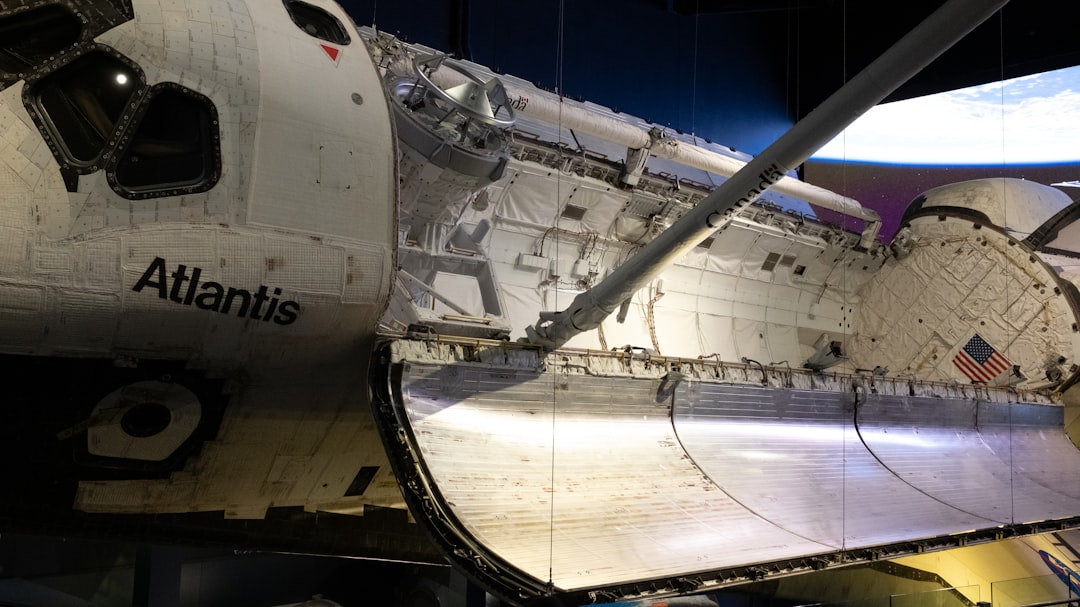
NASA's SpaceX Crew-11 visited Marshall Space Flight Center to reunite with the team aiding their critical ISS experiments and discuss mission insights.
NASA astronauts from SpaceX Crew-11 recently visited the Marshall Space Flight Center in Huntsville, Alabama, marking a significant reunion with the mission control team responsible for much of the scientific work conducted aboard the International Space Station (ISS). The visit allowed the crew to reconnect with Marshall's Payload Operations team, whose support was integral to the success of the crew's five-and-a-half-month mission in low Earth orbit.
Key Role of Marshall’s Payload Operations Center
The Marshall Space Flight Center plays a pivotal role in the International Space Station's science and research operations. Through its Payload Operations Center, the facility oversees the scheduling, preparation, and execution of experiments carried out during ISS missions. This involves determining which materials and tools the crew bring aboard and coordinating how experiments are conducted.
The astronauts emphasized the unique relationship they share with the mission team at Marshall. According to the crew, this connection goes beyond professionalism. "These people become the voice in your ear during missions," one astronaut stated, highlighting how essential the collaboration is to ensuring mission success.
Milestones of SpaceX Crew-11’s Mission
SpaceX Crew-11 launched in August of 2025, embarking on a mission that spanned five and a half months aboard the ISS. Throughout this time, the team worked on various groundbreaking experiments aimed at advancing humanity's understanding of space. As part of their post-mission reflection, the astronauts credited their accomplishments to the tightly knit collaboration with teams on the ground, particularly the personnel at the Marshall Space Flight Center.
For the 25 years that the ISS has been continuously inhabited, NASA has carried out thousands of experiments to study the effects of space on the human body, investigate ways of growing food off-planet, and test innovative technologies for future space exploration.
A Reunion of Colleagues and Friends
The visit to the Marshall Space Flight Center not only provided an opportunity to discuss mission outcomes but also offered a chance for camaraderie. "Being here feels like reuniting with friends," a crew member said, reflecting on the bonds formed during the mission. The familiarity and trust developed between the orbiting team and the Huntsville-based mission control crew play a crucial role in the real-time problem-solving and experiment management that define ISS operations.
Scientific Contributions of the Mission
During their time aboard the ISS, Crew-11 contributed to several key research ventures. While exact details about the experiments were not disclosed during their visit, past missions have tackled critical questions such as:
- How long-term spaceflight affects human health: From bone density loss to changes in eyesight, ISS missions have contributed invaluable data to understand the physical effects of microgravity.
- Development of sustainable life-support systems: Experiments on how to grow food in space could pave the way for long-term missions beyond Earth.
- Materials science and technology testing: Crews often test new tools, materials, and technology designed to survive extreme conditions.
These experiments provide a foundation for future endeavors, including missions that might one day take humans to Mars and beyond.
Looking Ahead: Space Missions and Marshall’s Continued Contributions
The visit underscored Marshall Space Flight Center's importance to NASA’s broader goals in space exploration. As the only payload operations center of its kind, Marshall's ongoing work ensures that each ISS mission advances scientific understanding and technology development.
The crew noted that their mission is just one step in pushing the boundaries of human capability in space. Reflecting on decades of exploration aboard the ISS, they stress that current and future astronauts rely on lessons learned from past missions.
Conclusion
NASA's SpaceX Crew-11 visit to Marshall Space Flight Center served as both a reunion and a milestone reflective of decades of collaborative space exploration. From the advanced capabilities of the Payload Operations Center to the astronauts’ experiences in low Earth orbit, the visit highlighted the critical role that ground support teams play in ensuring mission success. As space exploration continues to evolve, centers like Marshall remain cornerstones in advancing humanity’s presence beyond our planet.
Staff Writer
Daniel reports on biology, climate science, and medical research.
Comments
Loading comments…


