NASA’s SpaceX Crew 11 Visits Marshall Space Flight Center, Highlights Mission Contributions
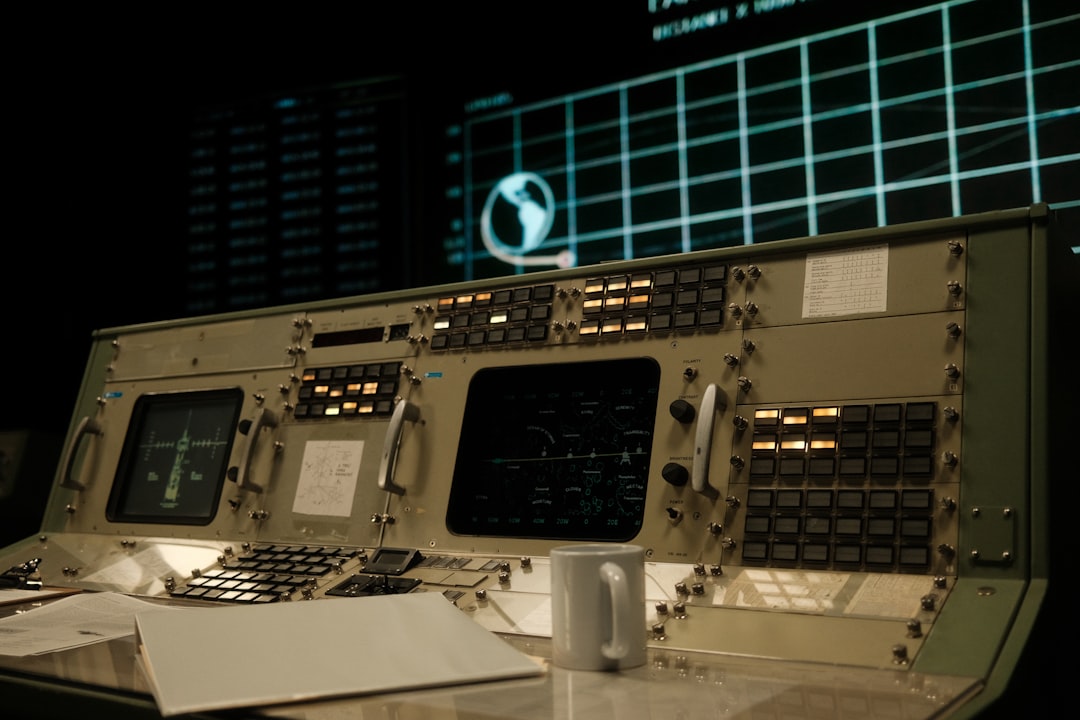
NASA's SpaceX Crew 11 reunites with the Marshall team, emphasizing Huntsville's vital role in moon, Mars, and ISS missions.
NASA’s SpaceX Crew 11, a group pivotal in advancing humanity’s presence in space, recently visited the Marshall Space Flight Center in Huntsville, Alabama. This reunion underscored the vital role the center continues to play in scientific research and mission coordination for astronauts aboard the International Space Station (ISS).
Marshall’s Pivotal Role in Space Missions
The Marshall Space Flight Center, operated by NASA, has long been at the forefront of space exploration. From designing propulsion systems that power rockets into orbit to managing the scientific payloads used onboard the ISS, the contributions made by the Huntsville team are critical. Recalling Wernher von Braun’s famous remark, “The path to the moon leads through Huntsville,” Marshall’s legacy in space exploration remains as strong as ever.
Thousands of workers at the center coordinate intricately detailed operations, enabling astronauts to conduct experiments and gather data. This data not only supports real-time adjustments to life in space but offers key insights for future, longer-term missions—whether to the Moon, Mars, or beyond.
The Work of Crew 11
Launching in August 2025, SpaceX Crew 11, led by Commander Enoch Hartman, spent five and a half months aboard the ISS. Their time in orbit was filled with scientific exploration and research. According to Hartman, every day on the space station follows a rigorous schedule coordinated by ground control. This highlights the Huntsville-based team’s involvement in ensuring the success of these experiments.
Among Crew 11’s contributions is work on NASA's SIFT (Spaceflight Integrated Testing of Health) program, which monitors the effects of space on astronauts’ physical and mental health. This research provides critical data needed to prepare for long-duration missions to places like Mars. Crew 11’s efforts pave the way for advances in bioengineering, medical care, and the sustainability of extended human space travel.
Collaboration for the Future
NASA’s partnerships, including those with Marshall and international collaborators, are crucial as the organization eyes ambitious future missions. Referring to humanity’s next great adventures, Hartman noted the importance of unity. “Going to the moon, Mars, and beyond will require the combined expertise in science, technology, engineering, and mathematics,” he said. Huntsville, with its wealth of expertise and resources, remains a cornerstone of these plans.
Marshall Space Flight Center’s contributions are not limited to propulsion and payload design. Its ongoing coordination with astronauts like Crew 11 ensures a seamless bridge between ground operations and orbital missions. These collaborations allow for a continuous human presence on the ISS—an endeavor spanning over 25 years.
Moon, Mars, and Beyond
The Artemis program, NASA’s mission to return humans to the Moon, relies heavily on the advancements pioneered in Huntsville. Lessons learned through ISS missions and Crew 11’s recent research will directly apply to preparing astronauts for longer stays on the lunar surface and even more challenging missions to Mars. The data collected also aids in refining technologies for spacecraft systems, habitats, and astronaut care.
NASA’s attention remains firmly fixed on ensuring each mission brings back not only data but practical knowledge adaptable for deeper space travel. Continuous investment in Marshall’s infrastructure and workforce ensures that the center will play a key role in achieving these objectives.
Why Huntsville Matters
Huntsville, Alabama, often referred to as the “Rocket City,” is an indispensable hub for space exploration. As NASA reaffirms its commitment to the Moon and looks ahead to Mars, the teamwork from institutions like Marshall will remain central to success. Without this collaboration, current and future missions would face significant challenges. The groundwork laid by Crew 11 demonstrates how even incremental gains yield exponential results when aligned with a broader vision.
What’s Next?
The experience gained by Crew 11 and the constant support from Marshall Space Flight Center as part of their mission briefing serve as inspirations for the next generation of astronauts and engineers. NASA’s focus on blending innovation with teamwork will enable it to overcome hurdles in space exploration. The ongoing collaboration with SpaceX further strengthens these efforts.
The roadmap ahead—to the Moon, to Mars, and beyond—is ambitious. But with Huntsville at the heart of operations, the United States extends its legacy as a leader in space exploration, ensuring every mission becomes a step closer to sustainable human presence off Earth.
FAQs
Why is the Marshall Space Flight Center important? The Marshall Space Flight Center is critical for designing propulsion systems, managing payloads, and coordinating research onboard the ISS. Historically, it has been central to NASA’s lunar programs and will play a major role in the Artemis missions to the Moon.
What is NASA's SIFT program? The SIFT program monitors the effects of space on astronauts’ physical and mental health. The data collected supports the development of health protocols for long-term missions, such as journeys to Mars.
What did Crew 11 achieve? Crew 11 conducted scientific experiments onboard the ISS, providing valuable data on how the body adapts to extended time in microgravity. Their research is a building block for preparing for longer missions, including those to Mars.
What is the Artemis program? The Artemis program is NASA’s effort to return humans to the Moon and establish a sustainable presence, serving as a stepping stone for more ambitious missions to Mars.
How does Huntsville support NASA’s missions? Huntsville provides engineering, technology, and logistical support for missions. The expertise of thousands of workers at Marshall contributes directly to mission success, including propulsion design and payload management.
Comments
Loading comments…


