NASA's Vision: The Future of Space Exploration
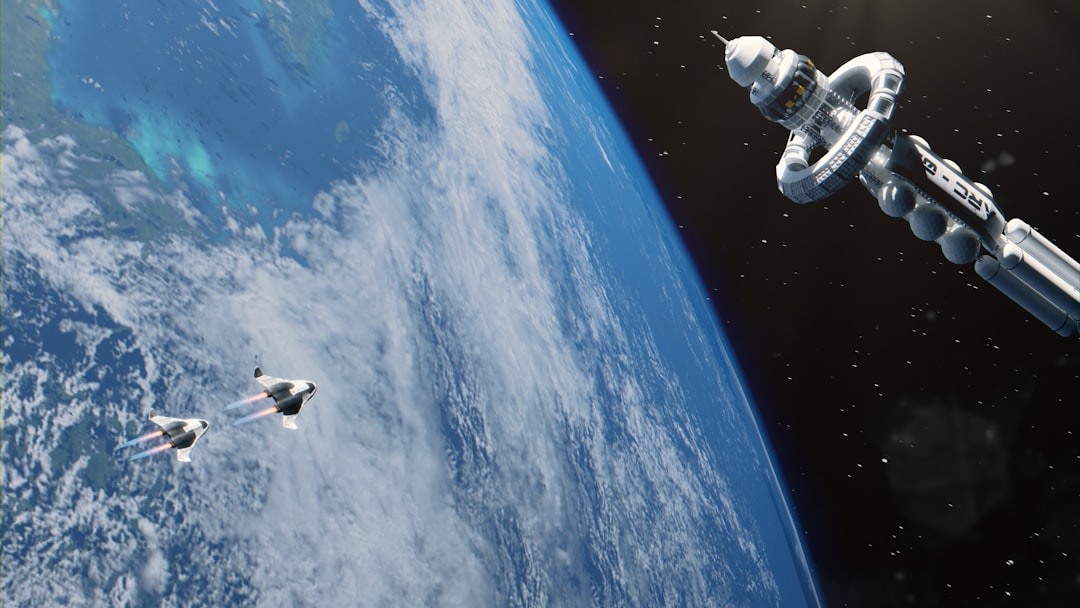
NASA is spearheading groundbreaking space missions like Artemis and Dragonfly, promising advances that could redefine humanity's place in the cosmos.
Humanity’s fascination with the stars dates back thousands of years, but only in the last century have we taken concrete steps to explore the vast universe beyond our planet. From the Moon landings of 1969 to the sophisticated robotic missions of the modern era, space exploration continues to push the limits of what we know and what we can achieve. Today, NASA is at the forefront of this effort, with a series of ambitious missions that promise to transform our understanding of the universe.
Milestones of Recent Space Exploration
In the past few years, key missions have showcased how space exploration expands scientific boundaries. One significant example is the Mars Perseverance Rover, which landed on the Red Planet in 2021. This advanced rover is tasked with searching for signs of ancient microbial life and collecting samples of Martian rock and soil. These samples are expected to eventually be returned to Earth, providing critical insights into Mars’ history and whether life ever existed there.
Another groundbreaking achievement was the deployment of the James Webb Space Telescope (JWST) in late 2021. As the most powerful telescope ever sent into space, JWST enables scientists to observe the universe in unparalleled detail. Early images have already revealed new information about distant galaxies, the formation of stars, and planetary systems. The telescope’s sophisticated instruments allow astronomers to study the cosmos in infrared light, unveiling phenomena previously hidden from view.
These missions highlight how advances in technology and engineering are enabling discoveries that were unthinkable just decades ago.
NASA’s Vision: Upcoming Missions
NASA’s roadmap for the future includes even more ambitious projects, including the Artemis program. This initiative marks a return to human exploration of the Moon, building upon the legacy of the Apollo missions. While the original Moon landing in 1969 was a historic event, Artemis has loftier goals. The program aims to establish a permanent lunar base, which could serve as a critical stepping stone for missions deeper into space, including Mars. The vision of humans living and working on the Moon is no longer science fiction but a potential reality within the next decade.
Another highly anticipated mission is Dragonfly, set to explore Titan, Saturn’s largest moon. Titan is a unique and fascinating world, with a thick atmosphere and surface features shaped by rivers, lakes, and rain made of liquid methane. This alien environment could provide valuable clues about the chemistry of life in extreme conditions. The Dragonfly spacecraft, a drone-like vehicle, will investigate Titan’s surface and atmosphere, searching for organic molecules that might resemble the precursors of life on Earth. Dragonfly’s findings could profoundly impact our search for life elsewhere in the universe.
Why Space Exploration Matters
Critics sometimes question the cost and effort involved in space exploration, but the reasons for pursuing this frontier are compelling and multifaceted. Space exploration inspires curiosity and fuels innovation, driving technological advancements that often find applications beyond their original intent. For instance, innovations rooted in space research have contributed to advancements in fields like telecommunications, medicine, and environmental monitoring.
Exploring other planets and celestial bodies also enhances our understanding of Earth. Comparative planetology—studying the similarities and differences between planets—can provide insights into climate patterns, geological processes, and the origins of life. For example, studying Mars’ climate history helps scientists develop models to predict Earth’s future climate.
Moreover, space exploration represents humanity’s long-term survival strategy. With Earth’s resources finite and vulnerabilities to natural and human-made disasters looming, exploring options for colonization on other worlds could ensure humanity’s continuity. Missions like Artemis and Dragonfly pave the way for such possibilities by addressing the challenges of living beyond Earth.
How to Get Involved
Space exploration isn’t just for astronauts and scientists; it’s a passion that anyone can engage with. You can fuel your curiosity about the universe by visiting museums and planetariums, joining astronomy clubs, or simply learning to observe the night skies with a telescope. Accessible documentaries and books provide a wealth of knowledge about ongoing missions and discoveries. By staying informed and curious, you can be part of the collective human pursuit of understanding the cosmos.
Looking to the Future
NASA’s current and upcoming space exploration missions aren’t merely technical achievements; they represent the culmination of humanity’s drive to understand the unknown. Projects like Artemis and Dragonfly push the boundaries of science and engineering, offering new perspectives on our place in the vast universe. As we look forward to humans living and working on the Moon or exploring alien environments on Titan, it’s clear that we are entering a new era of discovery. For those who dream of the stars, the adventure is just beginning.
Staff Writer
Emily covers space exploration, physics, and scientific research. Holds a degree in astrophysics.
Comments
Loading comments…


