NASA’s X-59: Pioneering Silent Supersonic Travel in 2026
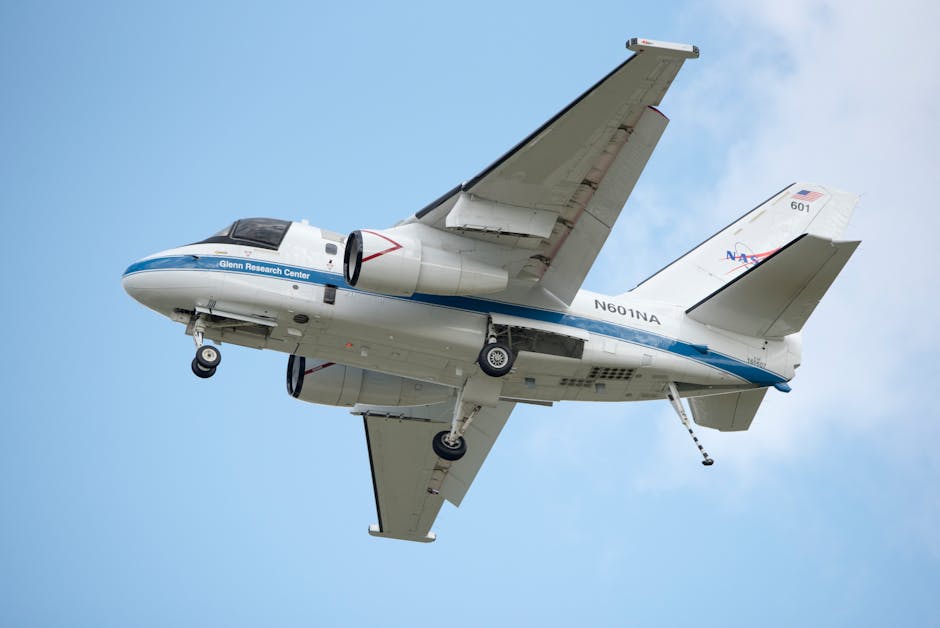
NASA's X-59 aims to silence sonic booms, paving the way for supersonic jets on overland routes. Here's how this experimental aircraft is reshaping aviation.
NASA's experimental X-59 aircraft promises to transform the future of aviation by addressing one of the most significant challenges in supersonic flight: the sonic boom. In 2026, the X-59 made its second flight, demonstrating advancements toward making high-speed travel overland a reality. Here's everything you need to know about this groundbreaking project and its implications for the future of supersonic travel.
What is the X-59 and Why Does it Matter?
The X-59 is an experimental supersonic jet developed by NASA as part of the organization's Low-Boom Flight Demonstrator program. The aircraft is designed to tackle the problem of sonic booms — the loud, disruptive sounds caused when aircraft exceed the speed of sound, traditionally about 767 mph at sea level. These booms have long been a barrier to allowing supersonic flights over land, limiting high-speed travel to routes over oceans.
What makes the X-59 unique is its engineering solution for reducing the intensity of sonic booms to a noise level comparable to distant thunder or a car door closing. NASA hopes this breakthrough will encourage policymakers to reconsider current restrictions on supersonic travel over populated areas.
2026 Milestone: Second Flight of the X-59
In its second flight in 2026, the X-59 continued to make progress toward its ambitious goals. Although engineers encountered a technical glitch during the mission, the flight successfully collected crucial data for reducing sonic booms. This data is vital for refining the aircraft’s design and ensuring the technology is ready for real-world application.
The latest flight is part of NASA's ongoing effort to develop a foundational understanding of low-boom technology. The collected data will also serve as input for regulatory agencies as they consider new noise standards for supersonic aircraft.
Silencing Sonic Booms: The Science Behind It
The X-59’s cutting-edge design is central to its ability to minimize sonic booms. Engineers have focused on reshaping the nose of the aircraft, as the loud explosion-like sound associated with breaking the sound barrier primarily originates from the rapid compression of air in front of the plane. The X-59 employs an elongated, sleek nose that prevents the buildup of sharp pressure waves, dispersing the sound energy more gradually.
This "quiet supersonic technology" could unlock the potential for commercial supersonic routes over populated areas. If noise restrictions are relaxed through these advancements, travel times for long routes could be cut dramatically.
Inspiring the Next Generation of Aerospace Innovation
While the X-59 represents a milestone for NASA, the organization is also looking to the future by fostering innovation among the next generation of engineers. In 2026, university students played a pivotal role in this process as 14 academic teams competed to design next-generation aerospace concepts. These concepts spanned a variety of ambitious projects, including innovations for Moon and Mars exploration.
By encouraging collaboration between academia and industry, NASA is not only addressing current technological challenges but also preparing the aerospace sector for long-term advancements. This hands-on approach ensures that bright young minds contribute directly to critical areas such as space exploration, sustainable aviation, and groundbreaking technologies like those used in the X-59.
The Bigger Picture: Redefining Air Travel
The X-59 is more than just an experimental aircraft; it represents a paradigm shift in how we approach air travel. If the project proves successful, the economic and logistical benefits could be significant:
- Reduced Travel Times: Supersonic flights could slash hours off long-haul routes, making international travel faster and more convenient.
- Increased Accessibility: By achieving low-boom flight, these jets could operate over land, making supersonic travel viable for thousands of new routes.
- Environmental and Regulatory Considerations: NASA’s data collection could pave the way for sustainable approaches to future supersonic aviation, balancing innovation with environmental consciousness.
Challenges and Next Steps
Despite the promising advancements demonstrated by the X-59, several hurdles remain. Technical challenges like those encountered during the second flight highlight the complexity of refining and scaling such groundbreaking technology. In addition, regulatory frameworks must adapt before commercial applications of low-boom supersonic travel can become a reality.
NASA continues to work closely with stakeholders, including the Federal Aviation Administration (FAA) and international aviation authorities, to address these challenges. Future test flights and collaborations are geared toward ensuring that the X-59 meets its objectives of creating quieter supersonic travel.
Conclusion: A Quiet Revolution in Aviation
NASA’s X-59 marks a significant step toward overcoming one of the biggest roadblocks to widespread supersonic travel. With successful flights in 2026 and the promise of further innovations, this project is laying the groundwork for a future where high-speed air travel is faster, quieter, and more accessible. By silencing the sonic boom, NASA is reshaping the possibilities of human mobility and opening the door to new opportunities in aviation and beyond.
Staff Writer
Emily covers space exploration, physics, and scientific research. Holds a degree in astrophysics.
Comments
Loading comments…


