Progress 94 cargo ship delivers 5,531 pounds of supplies to the International Space Station
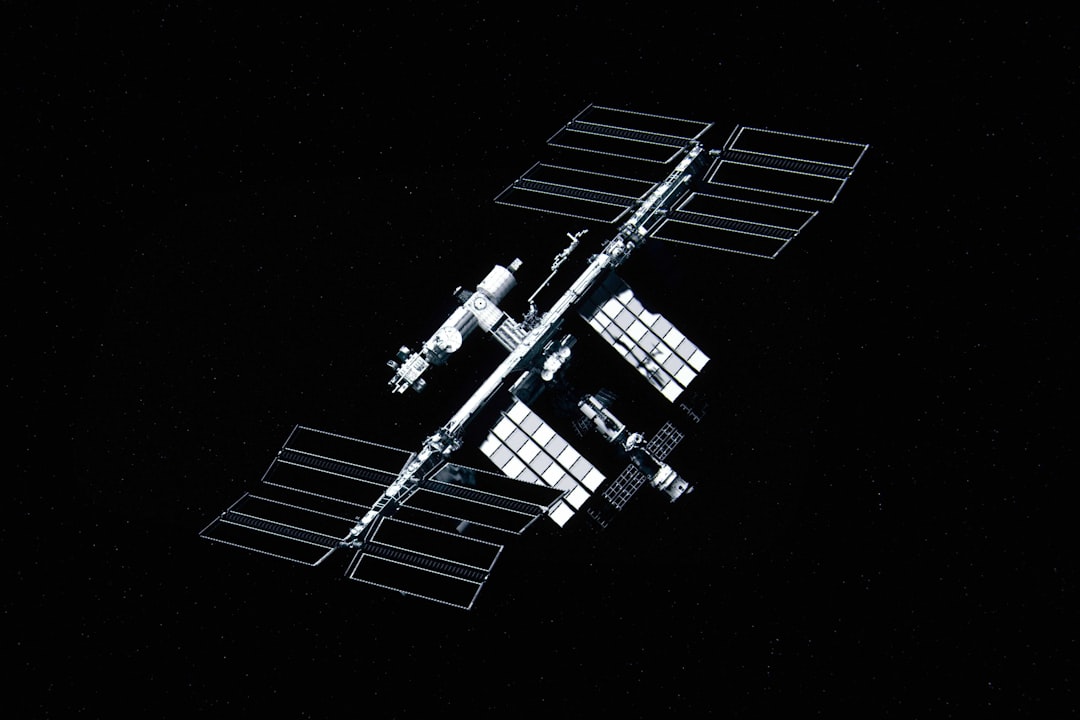
Progress 94 docked with the ISS, delivering 2.7 tons of cargo, including fuel, food, and scientific hardware, despite a minor antenna malfunction.
The uncrewed Progress 94 cargo ship successfully docked with the International Space Station (ISS), delivering 5,531 pounds of critical supplies and equipment to support the Expedition 74 crew. Despite an issue with one of its two rendezvous antennas, the Russian spacecraft smoothly completed its mission with assistance from manual controls operated by cosmonauts aboard the station.
Supplies delivered to the ISS
The Progress 94 cargo ship launched from the Baikonur Cosmodrome in Kazakhstan on Sunday, utilizing a Soyuz 2.1a booster. After a smooth ascent, the spacecraft entered its trajectory toward the ISS, loaded with 2.7 tons of supplies. The breakdown of the cargo included:
- Fuel: 1,825 pounds
- Water: 926 pounds
- Food: 1,365 pounds
- Spare parts: 866 pounds
- Hygiene products: 298 pounds
- Scientific equipment: 115 pounds
- Oxygen and air: 110 pounds
- Medical supplies: 26 pounds
This shipment will sustain the ongoing scientific research and daily operations aboard the ISS, which orbits the Earth at 262 miles above sea level.
An automated system issue and manual interventions
After separating from the Soyuz booster approximately eight minutes and 45 seconds into flight, the Progress 94 deployed its solar arrays and antennas. However, one of its two automated Kurs rendezvous antennas remained stowed, a fault that could have affected its docking process. Russian mission control engineers attempted troubleshooting over the next 48 hours but were unable to resolve the issue.
Despite this complication, the remaining antenna enabled the automated Kurs system to govern the spacecraft’s approach to the ISS. For the final docking procedures, mission control activated the TORU system, a manual backup system controlled directly from the ISS. Russian cosmonaut Sergey Kud-Sverchkov used a joystick-like control panel inside the Zvezda service module to manually pilot the cargo ship for its final approach to the Poisk module on the station’s Russian segment.
The docking process
During the final stages of docking, the Progress 94 spacecraft executed maneuvers with precision. A fly-around was initiated at approximately 400 meters from the ISS, aligning the spacecraft’s forward docking probe with the Poisk module. The fly-around occurred at a gentle fifteen-degree angle to ensure proper alignment and safe docking.
Cosmonauts monitored the station-keeping phase, where the spacecraft paused its movement to allow careful adjustments before completing the docking. Following a gradual approach at a speed of just one-tenth of a meter per second, the Progress 94 made a soft capture with the ISS. The docking system then retracted its forward probe, securing the connection with mechanical hooks that formed a hard mate between the two vehicles.
What happens next?
After the successful docking, Sergey Kud-Sverchkov, supported by Sergey Ryzhikov and Andrei Babkin, performed leak checks of the docking interface to ensure the connection was airtight. Once these checks were completed, the hatches between the Poisk module and the cargo ship were opened, allowing the transfer of cargo to begin. The supplies delivered will support daily operations aboard the ISS and fill various scientific and logistical needs for the Expedition 74 crew.
Comparing Progress 94 to previous missions
The Progress spacecraft series has a storied history, acting as a reliable workhorse for the Russian space program’s resupply efforts. Known for carrying significant payloads, these spacecraft are characterized by their ability to dock autonomously or with manual intervention when needed. Regarding its cargo capacity, Progress 94’s 2.7 tons closely aligns with historical averages, ensuring consistency in resupply missions.
Unlike the Crew Dragon and Cygnus cargo ships used by NASA’s partners, the Progress spacecraft deliver both pressurized and unpressurized cargo. Its maneuverability and reliable backup systems, like TORU, contribute to the resilience of the Russian space program for ISS operations.
Key takeaways
- Resilient systems: A key highlight of the Progress 94 mission was the effective use of backup systems to mitigate risks. The failure of one rendezvous antenna did not impede the spacecraft’s ability to dock safely.
- Critical supplies: The supplies delivered aboard Progress 94 include critical components like water, oxygen, and food, as well as scientific equipment supporting the ongoing research aboard the station.
- Crew proficiency: Russian cosmonauts demonstrated skillful control over manual systems, showcasing preparedness for potential technical issues during resupply missions.
Conclusion
The Progress 94 cargo ship’s docking reflects the coordination between international space agencies and the resilience of modern space systems. Despite a technical glitch with one of the rendezvous antennas, the spacecraft delivered thousands of pounds of vital resources to the International Space Station. The accomplishment also underscores the importance of manual backup control systems, ensuring that missions succeed even when automated processes encounter challenges.
The Expedition 74 crew can now focus on upcoming experiments, routine maintenance, and a March 31 spacewalk, with ample resources to support them.
Staff Writer
Emily covers space exploration, physics, and scientific research. Holds a degree in astrophysics.
Comments
Loading comments…


