Science News Learning Program: A Free Resource for STEM Education
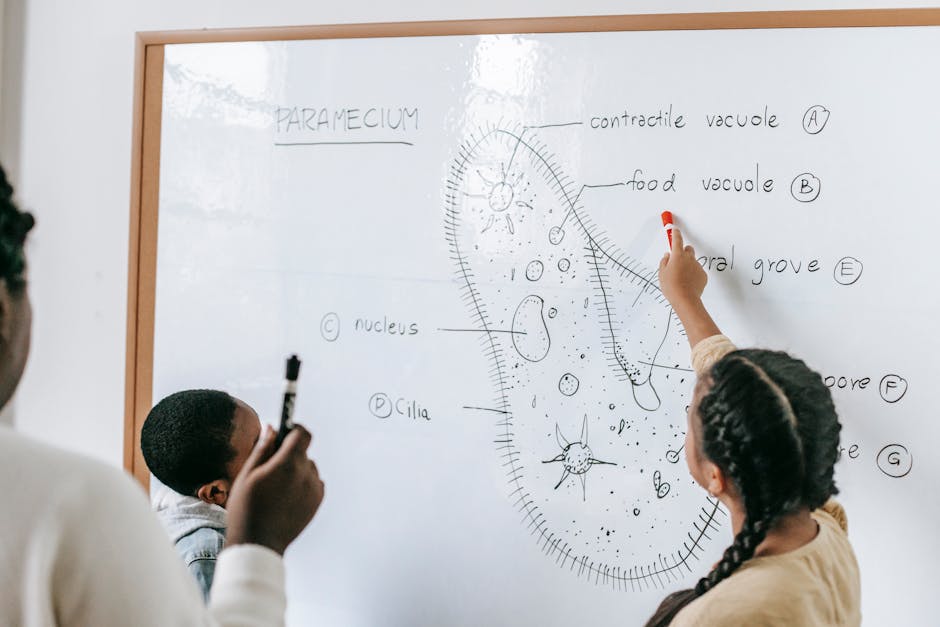
The Science News Learning program offers educators free, standards-aligned STEM lessons and access to cutting-edge science journalism for middle and high school classrooms.
Science and technology are advancing rapidly, but how can educators ensure their students stay up to date with the latest breakthroughs? The Science News Learning program, developed by the Society for Science, aims to address this challenge. By providing educators with curated resources, including cutting-edge articles and aligned lesson plans, this program enables middle and high school teachers to inspire their students with real-world STEM applications.
What Is the Science News Learning Program?
The Science News Learning program is a comprehensive educational initiative offering free access to science journalism and ready-made teaching tools. Its goal is to connect STEM classroom lessons with the latest advancements in science and technology, encouraging students to understand how core scientific concepts apply to their lives.
This program is entirely funded for public high schools and middle schools, ensuring educators across the U.S. can access these valuable resources without budgetary concerns.
Two Levels of Science Journalism
The program features science journalism from two of the Society for Science's award-winning publications, both designed to cater to different reading levels:
- Science News Explores: Articles aimed at middle schoolers, written in a more accessible style.
- Science News: Articles tailored for a high school audience and the general public, with a slightly higher level of complexity.
These articles explore topics across STEM fields, including chemistry, physics, environmental science, computer science, and more. The content is regularly updated to include cutting-edge research that has yet to appear in textbooks.
Key Benefits for Educators
For teachers, the program provides resources that integrate seamlessly into existing curricula while enhancing the learning experience:
- Ready-to-Use Lesson Plans: Hundreds of standards-aligned lesson plans tied directly to Science News articles.
- Concise Content: Science News articles are short and informative, delivering a wealth of information without overloading students.
- Historical Context: Access to over 100 years of archived articles helps illustrate how scientific theories evolve.
- Professional Development: Workshops and online communities for educators foster collaboration and effective integration of these resources.
Practical Applications in the Classroom
Teachers who use the Science News Learning program report a range of positive outcomes:
- Improved critical thinking and research skills among students.
- Increased confidence in participating in science competitions.
- Enhanced science literacy and real-world connections between STEM concepts and daily life.
Building Skills Beyond the Classroom
Reading articles from Science News not only boosts subject comprehension but also equips students with real-world research abilities. By engaging with reputable science journalism, students learn to evaluate credible sources, an essential skill in STEM fields and beyond.
Joining the Science News Learning Community
The program has already reached thousands of educators at over 6,000 schools across the country. Teachers are encouraged to join this growing community and take advantage of freely available tools and workshops to enrich their STEM instruction.
How to Get Started
Signing up is simple:
- Public high schools and middle schools can enroll in the program at no cost.
- Teachers can explore the digital library, access lesson plans, and attend professional development sessions.
- Classrooms immediately gain access to a treasure trove of science journalism and educator resources.
Why Science News Learning Stands Out
The program combines the allure of up-to-date science writing with practical educational tools, setting itself apart from traditional teaching methods. Students benefit from reading about the latest discoveries while seeing how theories and knowledge evolve over time. And because all resources are free for public schools, barriers to access are eliminated.
Conclusion
The Science News Learning program is an invaluable tool for educators striving to inspire the next generation of scientists and informed citizens. By bridging STEM concepts with real-world science journalism, it offers a dynamic way to build science literacy and critical thinking among students. With its generous funding and comprehensive approach, this program is a must-have for any teacher looking to deepen their students’ understanding of STEM.
FAQ
What age groups is the Science News Learning program designed for?
The program provides resources tailored for middle and high school students. Science News Explores articles are suitable for middle school readers, while Science News articles serve high school students and the general public.
Is the program really free?
Yes, the program is fully funded for public middle and high schools, making it accessible at no cost to these institutions.
What subjects are covered?
The program spans a wide range of STEM fields, including chemistry, physics, biology, computer science, and environmental science.
How can I access lesson plans?
Search the program’s digital library for hundreds of NGSS-aligned lesson plans connected to Science News articles.
Can homeschooling parents use the program?
While public schools are the primary beneficiaries, individuals can still access paid subscriptions for some Science News content.
Comments
Loading comments…


