Space-to-Space Call: NASA's Artemis II Astronauts and the International Space Station
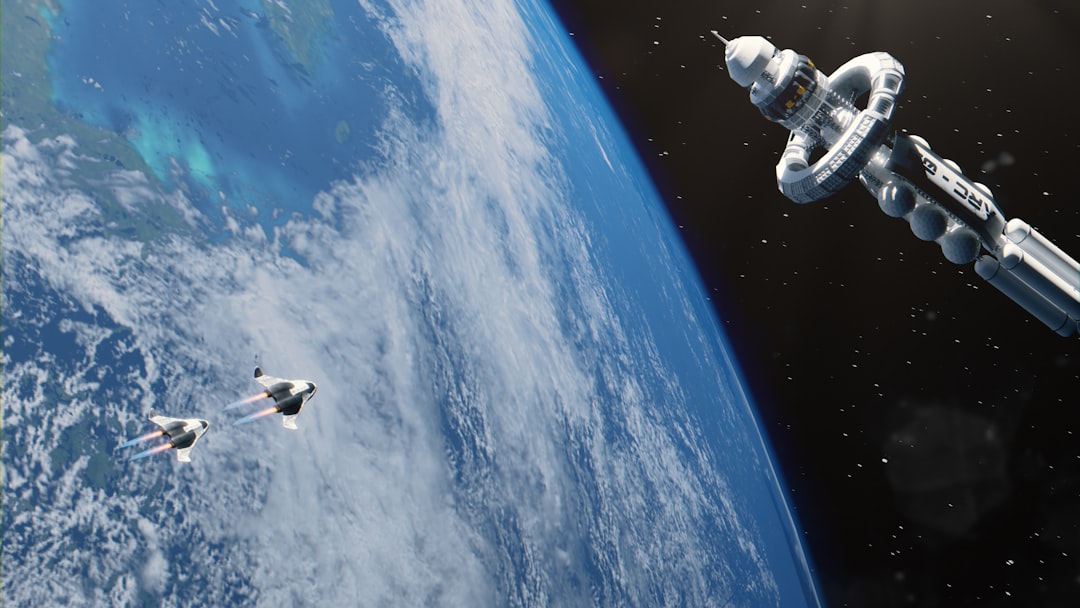
NASA's Artemis II crew held a historic call with astronauts aboard the ISS, marking a milestone in space collaboration and exploration.
NASA has once again pushed the boundaries of space exploration and collaboration, with the Artemis II crew and astronauts aboard the International Space Station (ISS) participating in a historic live call. This rare space-to-space conversation not only showcased humanity’s triumphs in engineering and teamwork but also underscored the shared aspirations of reaching new frontiers in the solar system, specifically the Moon and eventually Mars.
A Historic Call Beyond Earth
During the call, astronauts aboard the Artemis II spacecraft, Integrity, and those stationed on the ISS exchanged anecdotes, insights, and camaraderie, giving audiences a glimpse into the shared experiences of being "off the planet"—quite literally. Both crews expressed excitement over the opportunity to connect from their unique vantage points in space. The conversation reflected a mutual appreciation for the teamwork and scientific efforts contributing to humanity’s expanded presence in outer space.
One of the most striking exchanges came when an Artemis crewmember reflected on the view of Earth from their spacecraft. While the ISS offers spectacular, detailed views of individual locations on Earth, the Artemis II crew described the profound impact of seeing our planet surrounded by the deep blackness of space. "It truly emphasized how alike we are," one astronaut noted, pointing out how the isolation of Earth in the vast expanse highlights its fragility and the interconnectedness of all life.
Sharing Perspectives: Lessons from Space
The conversation highlighted the differences and similarities in experiences aboard the ISS and Artemis II’s crewed vehicle. The ISS astronauts were eager to know how training on the station had influenced the Artemis II mission, to which the Artemis team credited their ISS predecessors for lessons in operational efficiency and adapting to the unique challenges of microgravity.
With Artemis being a smaller, more compact spacecraft than the ISS, the Artemis team described the need to manage "spatial conflicts" while performing everyday tasks, such as eating or maneuvering. They humorously noted that, unlike the ISS, where astronauts can spread out into different modules, every activity on Artemis requires consideration of confined spaces. Yet, the team has embraced these challenges, finding joy even in the surprises of the high-stakes lunar journey.
Both crews also took a moment to appreciate the lighter side of space travel. From growing a mustache during training to sharing anecdotes about mistaken impressions of Earth’s trajectory, the discussion underscored the human side of these ambitious missions. These moments of levity serve as a reminder that, despite the complexity of spaceflight, human connection and camaraderie remain central to these journeys.
Looking Toward the Moon and Beyond
The Artemis II mission is paving the way for NASA’s Artemis program to return humans to the Moon for the first time since the Apollo era. As a test flight for the Orion spacecraft, this mission is critical in validating systems and ensuring crew safety for future lunar landings. The Artemis team mentioned how every part of their journey—from the core stage ignition to the trans-lunar injection burn—has been both a technical and emotional revelation.
In the conversation, Artemis astronauts discussed their shared sense of purpose with the ISS crew. Both groups emphasized the importance of teamwork and preparation in laying the groundwork for the next era of space exploration. For Artemis, this means not only reaching the Moon but building a foundation for human exploration of Mars—a goal echoed by the ISS crew as they continue to conduct research vital to long-duration space travel.
Food and Fun: Life in Microgravity
The call also touched on some lighter elements of space living: food and training exercises. The crews exchanged notes about the meals they were enjoying, including spicy green beans and mango salad, underscoring how food serves as both sustenance and a morale booster in space.
The Artemis team humorously brought up "water training failures" as well, recounting how managing daily tasks like hydration can lead to unexpected messes in microgravity. For both crews, these shared experiences highlight the learning curve—and occasional hilarity—that comes with adapting to life beyond Earth.
A Sense of Collective Purpose
The call ended with a sense of gratitude and shared mission. Both crews acknowledged the global effort required to achieve such feats, with one Artemis astronaut remarking, "It takes the entire world to do amazing things like this." The acknowledgment of the international partnerships and scientific collaboration behind both the ISS and Artemis programs was a reminder of how space exploration transcends borders and unites humanity in pursuit of knowledge.
But the astronauts also took a moment to recognize something deeply personal: their shared experience as humans exploring a domain that, until very recently, was entirely out of reach. "We are all off the planet Earth right now," one astronaut reflected, "and we’re all going to go home to that planet, and that is a very special thing."
Why This Matters
The Artemis II mission and its connection to the ISS demonstrate more than technological achievement—they represent the continued evolution of human spaceflight. With the Artemis program edging closer to placing humans back on the Moon, this dialogue between two spacecraft serves as a symbolic and practical bridge between the ISS's decades-long legacy and the ambitions of deep space exploration.
For a world watching from below, this shared conversation between the two crews serves as a reminder of what humanity can accomplish together. The view of Earth—whether from low Earth orbit or a distant lunar vantage point—reminds us not just of the fragility of our home but of the boundless opportunities that lie beyond it.
Staff Writer
Emily covers space exploration, physics, and scientific research. Holds a degree in astrophysics.
Comments
Loading comments…


