SpaceX Falcon 9 Launches Starlink 10-33 Amid Weather Challenges
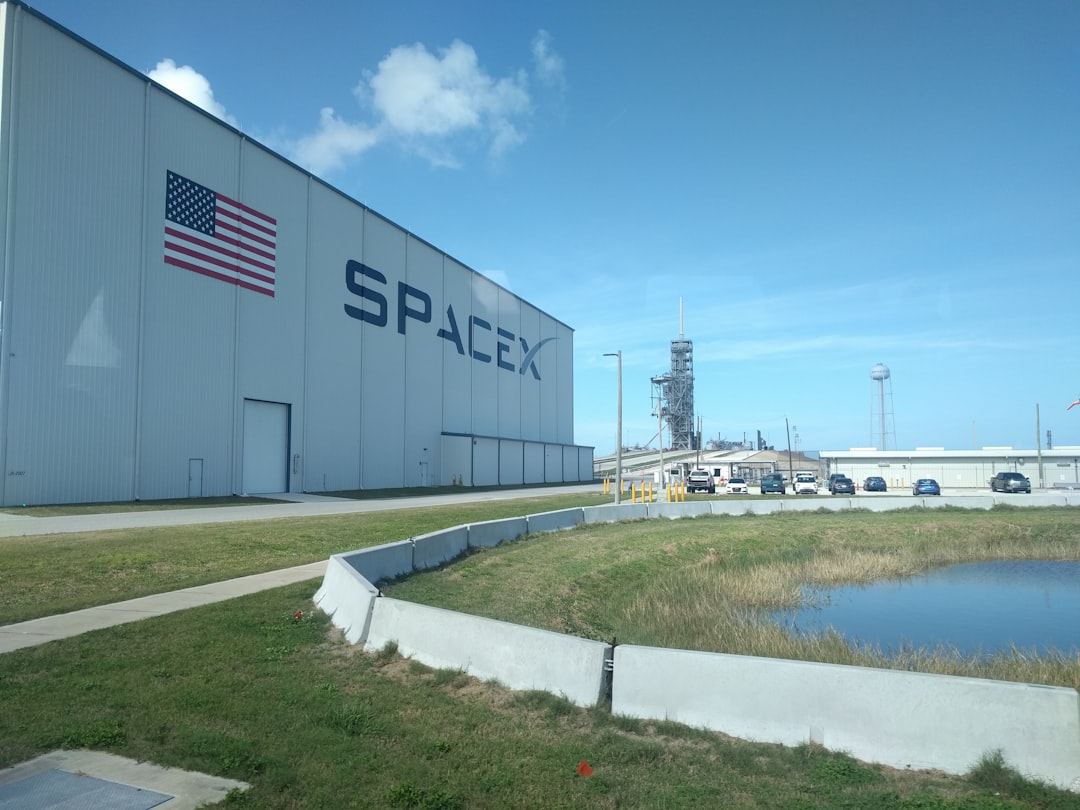
SpaceX successfully launched its Falcon 9 rocket carrying 29 Starlink satellites during the 10-33 mission. The launch faced weather-related challenges but concluded smoothly.
Falcon 9 Launches Starlink 10-33 and Sets New Milestones
SpaceX’s consistent capabilities shone on display yet again with the successful launch of the Falcon 9 rocket carrying 29 Starlink satellites. The mission, designated as Starlink 10-33, lifted off from Space Launch Complex 40 (SLC-40) at Kennedy Space Center in Florida. Despite encountering blustery weather conditions, including wind advisories and scattered clouds, the launch proceeded within the scheduled end of the launch window.
The Mission: Starlink Deployment
The Starlink 10-33 mission is part of SpaceX's ambitious goal to bring internet connectivity to underserved and remote areas worldwide. This latest addition of 29 second-generation Starlink satellites will enhance the capacity and reach of the already growing Starlink constellation in low Earth orbit. These satellites, once operational, join thousands already in orbit, ensuring low-latency and high-speed global coverage.
Pre-Launch Challenges
Blustery winds and cumulus cloud formations created hurdles for the mission's weather approval process. As reported, the forecast initially presented a 25% weather-related violation probability at the beginning of the launch window. However, nearing the 10:20 a.m. T-zero, this increased to 60%, heightening uncertainties around the launch. The cumulus cloud and thick cloud rules were the primary concerns, coupled with sustained winds up to 18 knots recorded at Kennedy Space Center.
Despite these atmospheric challenges, SpaceX adjusted timing to the very end of its launch window. With robust preparations and advanced real-time weather assessments, the launch ultimately commenced at the final feasible opportunity.
Booster B1077 Achieves 27th Flight
Starlink 10-33 was powered by one of SpaceX’s proven workhorse boosters, the Falcon 9 first-stage booster B1077. Having completed its 27th flight, B1077 continues to exemplify SpaceX's unparalleled reusability strategy. The booster previously supported high-profile missions, including Crew-5 and GPS III SV06. After deploying the Starlink payloads, the booster successfully landed on the autonomous drone ship Just Read the Instructions, stationed in the Atlantic Ocean for recovery.
With this mission, SpaceX now has five boosters exceeding 27 flights, underscoring the company's ability to sustain a rapid and cost-effective launch cadence.
Weather and Recovery Operations
Weather concerns extended beyond lift-off operations. The recovery conditions for both the Falcon 9 booster and the fairings were closely monitored. Risk levels for booster recovery were classified as low to moderate due to typical Atlantic Ocean swells associated with northeastern flight trajectories. The fairing recovery ship, Bob, was also deployed to retrieve the mission’s fairings for potential reuse in future launches.
SpaceX’s Growing Launch Cadence
The Starlink 10-33 mission represents another achievement for SpaceX amidst its consistently packed launch schedule. According to their data, the company averages a remarkable turnaround time of two to four days per mission, facilitated by its operational boosters and pad infrastructure.
The launch comes from SpaceX’s Cape Canaveral pad, serving as the primary site for Falcon 9 single-stick missions. With Starship developments and Falcon Heavy missions underway, the historic LC-39A platform is primarily allocated for heavier payload launches.
Why Starlink Matters
Starlink is SpaceX’s direct-to-consumer satellite broadband service, aiming to disrupt global telecom standards. By providing affordable connectivity in areas with little to no internet infrastructure, Starlink enables numerous use cases, from supporting disaster relief efforts to improving global education. With the launch of the second-generation satellites, higher throughput, better beamforming capabilities, and expanded service regions are now within Starlink’s grasp.
Reusability: The Key to Sustainability
SpaceX's approach to reusability remains unmatched. Each mission, including Starlink 10-33, strengthens their model for sustainable space exploration and commercialization. While B1077’s 27 missions symbolize success in reusability, the broader fleet of over 20 active boosters ensures frequent and economical deployment of payloads. This record stands in direct contrast to many competitors, reinforcing SpaceX’s industry leadership.
Practical Takeaways
- Weather Impact Management: SpaceX’s ability to mitigate weather concerns reaffirms their expertise in managing time-sensitive launches.
- High Reusability Rates: Falcon 9, specifically booster B1077, demonstrates how reusable rockets lower costs and improve mission frequency.
- Starlink Expansion: With 29 additional satellites deployed, global internet access is improved, marking progress toward increasing remote connectivity.
- Efficient Recovery Systems: Both booster and fairing recoveries highlight operational efficiency, critical to maintaining launch schedules.
Conclusion
Despite weather challenges on the day, SpaceX’s Starlink 10-33 mission marked another milestone in satellite deployment and booster reusability. The Falcon 9 rocket’s reliability, particularly its reusable boosters, stands out as the cornerstone of SpaceX’s dominance in the launch market. With Starlink’s rapid expansion, the future of global internet connectivity continues to look promising.
FAQ
How many Starlink satellites are in orbit?
As of the Starlink 10-33 mission, SpaceX has deployed over 4,800 satellites. Second-generation Starlink satellites are gradually bolstering network speeds and expanding coverage around the world.
What is the mission of booster B1077?
Booster B1077, which achieved its 27th flight during the Starlink 10-33 mission, has supported various missions, including Crew-5, GPS III SV06, CRS T-8, and multiple Starlink launches.
How does SpaceX handle bad weather during launches?
SpaceX relies on real-time weather forecasts provided by the 45th Weather Squadron and advanced modeling to adjust its launch timings or reschedule based on changing conditions. The coordination ensures both mission success and safety.
Will Starlink 10-33 satellites improve speeds?
Yes, with the deployment of second-generation satellites, Starlink users can expect improved speeds, lower latency, and wider coverage, especially in underserved areas.
Staff Writer
Daniel reports on biology, climate science, and medical research.
Comments
Loading comments…


