SpaceX Falcon 9 Successfully Launches Starlink 10-62 Satellite Batch
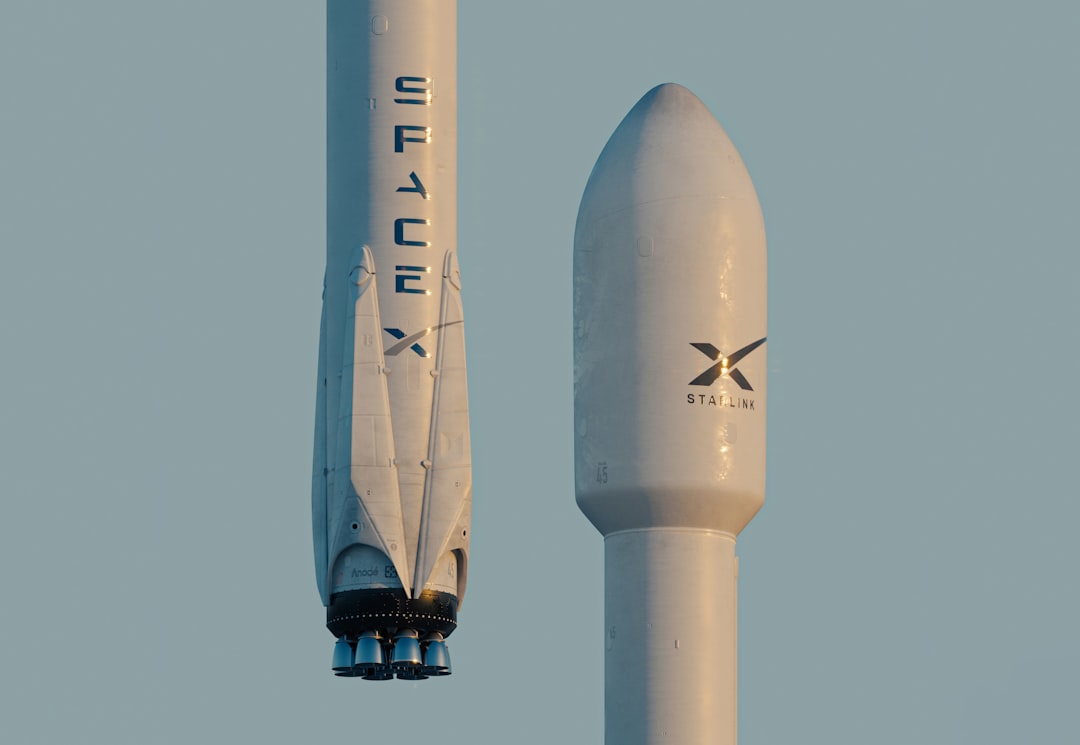
SpaceX's Starlink 10-62 mission launched 29 V2 mini-satellites into orbit, marking the company’s 37th mission of 2024 and pushing them closer to their annual cadence goals.
SpaceX continues to lead the commercial space race, achieving yet another milestone with the successful launch of its Falcon 9 rocket carrying 29 Starlink V2 mini-satellites as part of the Starlink 10-62 mission. The mission, launched from Space Launch Complex 40 at Cape Canaveral Space Force Station, showcased SpaceX's operational efficiency and its ability to handle a growing cadence of launches.
Key Details of the Starlink 10-62 Mission
Launch Time and Location
The Falcon 9 successfully lifted off at approximately 10:47 a.m. ET, under optimal weather conditions. The launch occurred against a nearly cloudless sky at Cape Canaveral, with the 45th Weather Squadron reporting less than a 5% chance of weather-related violations.
Payload: Starlink V2 Mini-Satellites
The mission deployed 29 Starlink V2 mini-satellites into a 256x267 km orbit with a 53.16-degree inclination. Starlink's V2 mini-satellites represent SpaceX’s next step in revolutionizing global internet connectivity, boasting greater bandwidth and efficiency compared to previous iterations.
Reusable Booster Milestone
The booster used for this launch, B1078-27, completed its 27th mission, another testament to SpaceX's reusability strategy. Following stage separation, the booster successfully landed on the "A Shortfall of Gravitas" droneship in the Atlantic Ocean, continuing SpaceX’s impeccable record of first-stage recoveries.
2024 Launch Cadence
This mission marks the 37th SpaceX launch in 2024 and the 12th in March alone, highlighting the company's unprecedented operational tempo. SpaceX is on track to surpass 165 launches by the end of the year, far outpacing its 2023 record of 61 missions.
SpaceX’s Impressive Launch Statistics
SpaceX’s ability to maintain such a rapid launch cadence is remarkable, especially as it currently operates only two active Falcon 9 pads:
- SLC-40 at Cape Canaveral Space Force Station, Florida
- SLC-4E at Vandenberg Space Force Base, California
Falcon Heavy flights, as well as future Starship launches, are expected to bring additional launch capacity.
| Statistic | Details |
|---|---|
| Total SpaceX launches | 646 |
| 2024 launches so far | 37 |
| Boosters in active service | B1078-27 used for this mission |
| Starlink satellites launched post-mission | 554 |
Why Today's Weather Was Ideal for Launch
Cape Canaveral’s weather played an essential role in ensuring a seamless launch. According to the on-site report, the skies were completely clear, with no high-altitude wisps or low-hanging clouds blocking visibility. Breezy conditions from the east posed no issues, and even weather-sensitive procedures like booster recovery faced no challenges. Such clear skies provided excellent viewing conditions for spectators both on-site and in surrounding areas like Orlando.
While it was a daytime launch, onlookers from nearby locations could still spot the rocket’s exhaust plume despite atmospheric light scattering. SpaceX enthusiasts were encouraged to document their viewing experiences and tag NASA Spaceflight’s social channels to share their perspectives.
Falcon 9’s Robust Performance
Before the mission, the Falcon 9 underwent the usual countdown milestones:
- At T-minus 35 minutes, RP-1 fuel and liquid oxygen loading began.
- At T-minus 7 minutes, the Falcon 9’s engines were chilled to prepare for ignition.
- At T-minus 1 minute, the flight computer took over.
- At liftoff, all nine Merlin engines fired, delivering the reliable thrust SpaceX’s customers have come to expect.
This structured sequence ensures precision and minimizes delays—essential in an era where SpaceX frequently conducts multiple launches within weeks.
Practical Takeaways from This Mission
- Advancements in Satellite Technology: The Starlink V2 mini-satellites significantly improve network efficiency compared to earlier generations. As more of these satellites are added, users can expect better performance, especially in bandwidth-demanding applications.
- Cost Savings Through Reusability: Falcon 9’s consistent reuse of boosters pushes the boundaries of affordability in space exploration. The B1078-27 has launched 525 satellites and continues to perform optimally, demonstrating the economic benefits of SpaceX's reuse model.
- Unprecedented Launch Cadence: Managing dozens of launches annually with only two launchpads is an unparalleled achievement. SpaceX optimizes time and resources effectively, a vital factor as it balances Starlink deployments with growing commercial demand.
What’s Next for SpaceX?
While Falcon 9 continues its reliable service, SpaceX is preparing for a busier schedule, especially with Falcon Heavy and Starship projects lined up. The company plans to test Starship from Launch Complex 39A later this year, which, if successful, could redefine the possibilities of heavy lift and long-duration space missions.
Additionally, every Starlink deployment brings us closer to full global internet coverage. With plans to scale Starlink’s capabilities even further, SpaceX is not only launching rockets but also shaping digital communication.
Conclusion
SpaceX’s Falcon 9 and its Starlink programs epitomize innovation and efficiency in modern spaceflight. The successful launch of Starlink 10-62 is yet another demonstration of the company’s operational prowess, reusable technologies, and scalable internet connectivity solutions. As 2024 progresses, SpaceX isn’t merely maintaining its industry-leading pace; it’s redefining what’s possible in commercial spaceflight.
FAQ
1. What are Starlink V2 mini-satellites designed for? Starlink V2 mini-satellites improve internet bandwidth and operational efficiency compared to the V1 design, bringing better services to users worldwide.
2. How many satellites did SpaceX launch in this mission? SpaceX launched 29 Starlink V2 mini-satellites as part of the Starlink 10-62 mission.
3. Where did the Falcon 9 booster land? The booster successfully landed on SpaceX’s droneship, "A Shortfall of Gravitas," stationed in the Atlantic Ocean.
4. How many launches has SpaceX conducted in 2024 so far? As of this mission, SpaceX has conducted 37 launches in 2024, with 12 in March alone.
5. Can I view a SpaceX launch from Orlando? Yes, daytime launches can often be viewed from Orlando, depending on weather conditions and visibility.
Staff Writer
Emily covers space exploration, physics, and scientific research. Holds a degree in astrophysics.
Comments
Loading comments…


