The Last Total Lunar Eclipse Before 2029 Captivated Skywatchers
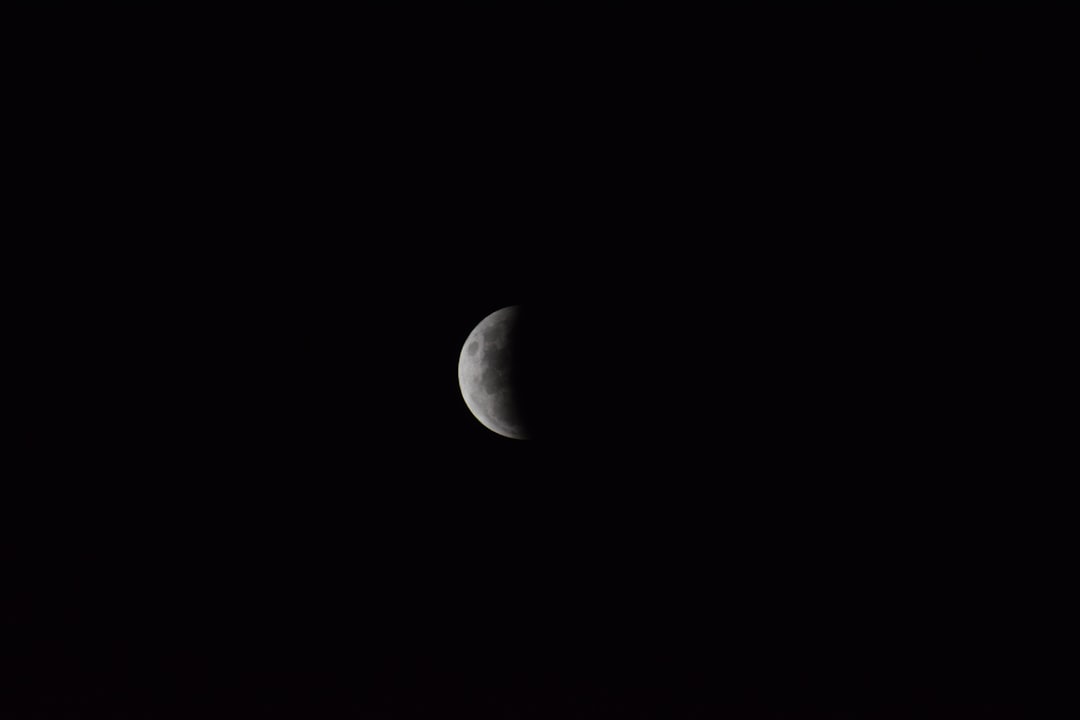
The March 3, 2026, blood moon marked the final total lunar eclipse until 2029. Learn more about this rare celestial event.
On the night of March 3, 2026, skywatchers were treated to a breathtaking sight: the last total lunar eclipse, or "blood moon," we’ll see until late 2029. This rare celestial event painted the moon a deep, eerie red as Earth's shadow completely covered its surface.
For astronomy enthusiasts and casual observers alike, this event was a stark reminder of the beauty and precision of cosmic phenomena.
What makes a blood moon red?
During a total lunar eclipse, the Earth situates itself directly between the sun and the moon. This alignment causes Earth's shadow to fall over the moon's surface. A blood moon occurs when sunlight filters through Earth's atmosphere, scattering blue and green wavelengths and allowing red and orange hues to pass through. This process, known as Rayleigh scattering, is the same reason sunsets appear red.
From anywhere on Earth where the moon is visible, spectators can witness this stunning transformation. Unlike solar eclipses, lunar eclipses are safe to view without protective equipment, making them accessible to all.
Why is the March 2026 eclipse special?
This particular lunar eclipse carries extra significance because it marks the end of total lunar eclipses for a few years. The next one will not take place until late 2029, creating a gap of over three years without this awe-inspiring event.
While partial and penumbral lunar eclipses still occur in the interim, they lack the dramatic color transformation of a total eclipse. This scarcity heightens the excitement for astronomy enthusiasts and leaves many eagerly anticipating the next opportunity.
Lunar eclipse timeline: What’s next?
Here is a quick timeline of notable lunar eclipses for the coming years:
| Date | Type of Eclipse | Visibility Regions |
|---|---|---|
| March 3, 2026 | Total Lunar Eclipse | Americas, Europe, Africa |
| October 18, 2027 | Partial Lunar Eclipse | Wide visibility |
| December 20, 2029 | Total Lunar Eclipse | Americas, Asia |
Though partial eclipses are still significant, the return of a total lunar eclipse in 2029 will be an eagerly awaited moment for many.
Observing a lunar eclipse
To get the best view of a total lunar eclipse like the one on March 3, find an open space away from artificial light. A location with a clear horizon and minimal obstructions will provide the clearest view. Telescopes or binoculars can enhance the experience, but the eclipse is visible to the naked eye. For photographers, using a tripod and long-exposure settings can help capture the moon’s unique coloration.
It’s also worth checking local times for the event, as the eclipse’s phases occur gradually over several hours. Planning to stay outside for a long period may require extra clothing to stay warm, depending on the season and your location.
Why should you care about the 2029 return?
Lunar eclipses are more than just beautiful anomalies; they help us understand celestial mechanics and our universe's interconnectedness. For ancient civilizations, these events were significant cultural and religious moments. Today, they continue to inspire curiosity and awe, bridging science and the wonder of the cosmos.
After the 2026 blood moon, the year 2029 will offer the next opportunity to witness this celestial wonder. Until then, partial eclipses and stargazing will have to suffice in satisfying the appetite for awe-inspiring natural phenomena.
Practical takeaways
- The total lunar eclipse on March 3, 2026, was the last of its kind until late 2029.
- A blood moon’s red color comes from Rayleigh scattering in Earth’s atmosphere.
- Observing lunar eclipses requires no special equipment, making it accessible to everyone.
- The next total lunar eclipse will occur on December 20, 2029.
Mark your calendars for 2029—the universe promises another spectacular show.
Staff Writer
Daniel reports on biology, climate science, and medical research.
Comments
Loading comments…


