The science behind wrinkle-free clothes: What works and what doesn't
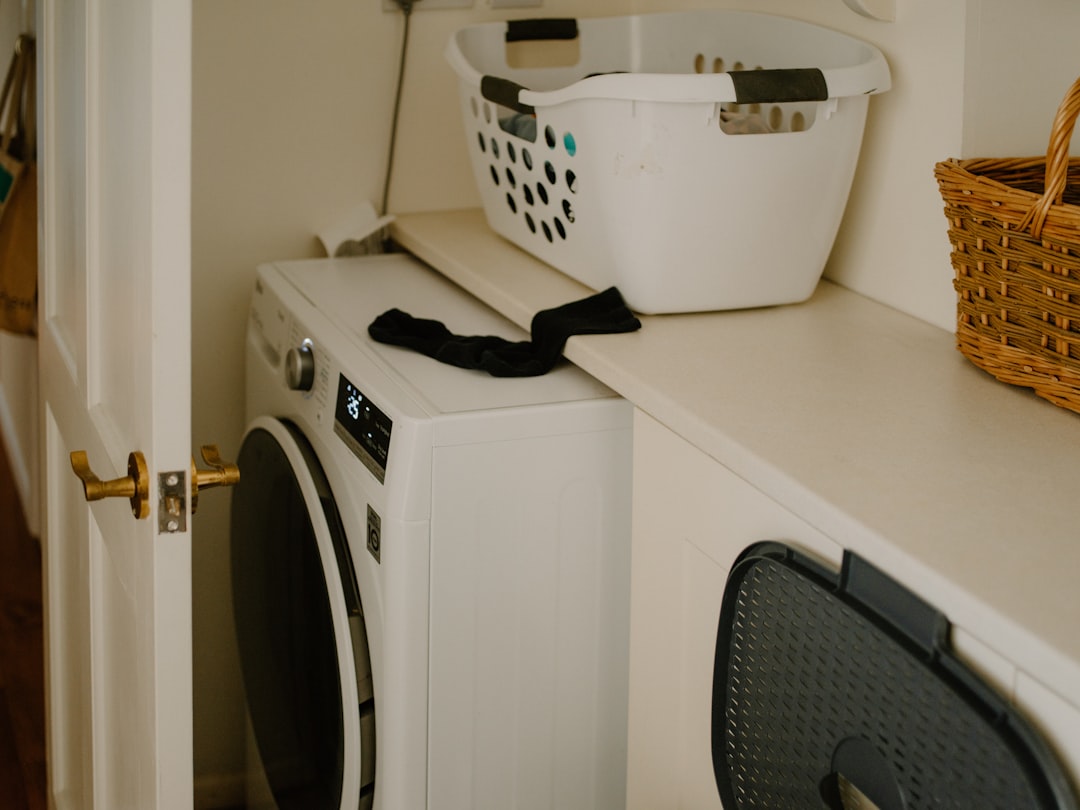
Wrinkle-free clothes aren't just about convenience; science offers ways to minimize wrinkles during laundry cycles, from fabric choice to drying methods.
If you dread ironing like so many of us, you're not alone. While irons undeniably smooth out wrinkles, they’re far from convenient for most people living busy lives. Fortunately, science has some answers—answers that can save you time while still keeping your clothes looking sharp. Researchers have methodically studied everything from fabrics to washing routines, revealing the hidden factors that determine how wrinkled clothes end up after a laundry cycle.
For anyone hoping their trusty detergent or fabric softener might magically solve the wrinkle problem, the news isn’t great. According to a 2003 study, detergent doesn’t play a major role—and could even add barely perceptible wrinkles. Fabric softeners, while the stuff of millennial laundry myths, don't fare much better. When washed with softener and then tumble-dried, clothes showed slightly fewer wrinkles, but line-dried fabrics washed with softener often came out more rumpled. The reason? Scientists believe fabric softeners coat fabric fibers like a setting agent, locking in wrinkles when the fabric is wet. Only the heat and motion of a dryer can undo some of this wrinkling.
This brings us to the great dryer debate. Tumble drying versus line drying is more than just a matter of habit—it’s science. Heat, mechanical movement, and even steam in a dryer interrupt the bonds locking fibers into wrinkled shapes, restoring some smoothness. Studies show longer drying cycles produce smoother clothing, with a notable difference emerging after 45 minutes compared to a shorter 30-minute tumble dry.
Fabric matters more than you might think
The type of fabric you wear or use affects how wrinkled it will look post-laundry. Natural fabrics like cotton tend to retain wrinkles because their hydrophilic nature causes fibers to absorb water, swell, and reconfigure their hydrogen bonds during washing. As water evaporates during drying, these bonds refreeze, often locking the fabric into awkwardly creased positions.
On the other hand, synthetic fabrics like polyester are hydrophobic, so they don’t interact with water in the same way. This makes them naturally less prone to wrinkling. However, even synthetic fibers aren’t immune. High heat in a dryer can cause their chemical structure to shift, leaving behind creases once the fibers cool and stiffen in their new configurations.
Interestingly, the weave of the material also plays a role. Knitted fabrics, thanks to their looser weave, wrinkle less than woven fabrics, as their threads and fibers have more freedom to wiggle back into place during drying. Tight weaves, while often more durable, are prone to holding onto wrinkles since the threads are less flexible.
Busting laundry myths
If you’ve been convinced that overloading your washer is a quick way to doom yourself to wrinkled shirts, the studies agree. Overloading a washing machine could lead to wrinkles, not only because of increased contact but also because the crowded environment prevents water, detergent, and fabric from moving freely. Researchers found that even half-filled washers produced noticeable wrinkles in certain textiles.
But there are solutions. A slower or gentler wash cycle minimizes the force applied to clothes, thus reducing the wrinkles produced. The amount of water in a laundry load also matters; higher water levels reduce wrinkling because fabrics have less physical resistance during the cleaning process.
Innovations in wrinkle-free clothing
For those who simply can’t deal with wrinkles, wrinkle-free treatments may be worth considering. Developed in the 1950s, these treatments involve applying a resin coating and a softener to garments. The result? Fibers are kept from clumping, locking, and crinkling together. While effective, the treatments lose strength after several washes, with stiffness and decreased stretchiness setting in by the fourth wash.
For a wrinkle-free finish: Tips that work
Prevention is the key focus for those battling wrinkles in their laundry. Here's what has consistently worked according to science and experience:
- Tumble drying: Always opt for the dryer over line drying if minimizing wrinkles is your core priority.
- Small loads: Aim for half or less of the washer’s capacity, giving fabric enough room to move freely.
- Fabric type awareness: Choose polyester or wrinkle-resistant cotton blends when you see the word "low-maintenance" on the label.
- Controlled drying times: Keep clothes in the dryer for longer durations to see smoother results.
- Classic tricks: If all else fails, a damp towel in the dryer or a quick steam session in your bathroom can work wonders.
Finally, no matter your system, some wrinkles might make it through. That doesn’t mean your laundry experiments were in vain—sometimes life requires rolling up a sleeve, forgiving a crease, and going on with your day.
For those occasions when truly crisp attire is necessary, and you’ve exhausted all other options, the iron remains your ultimate laboratory tool. Whether you like it or not, it works.
Staff Writer
Emily covers space exploration, physics, and scientific research. Holds a degree in astrophysics.
Comments
Loading comments…


