Trump's NASA agenda aims for Moon base and Mars missions
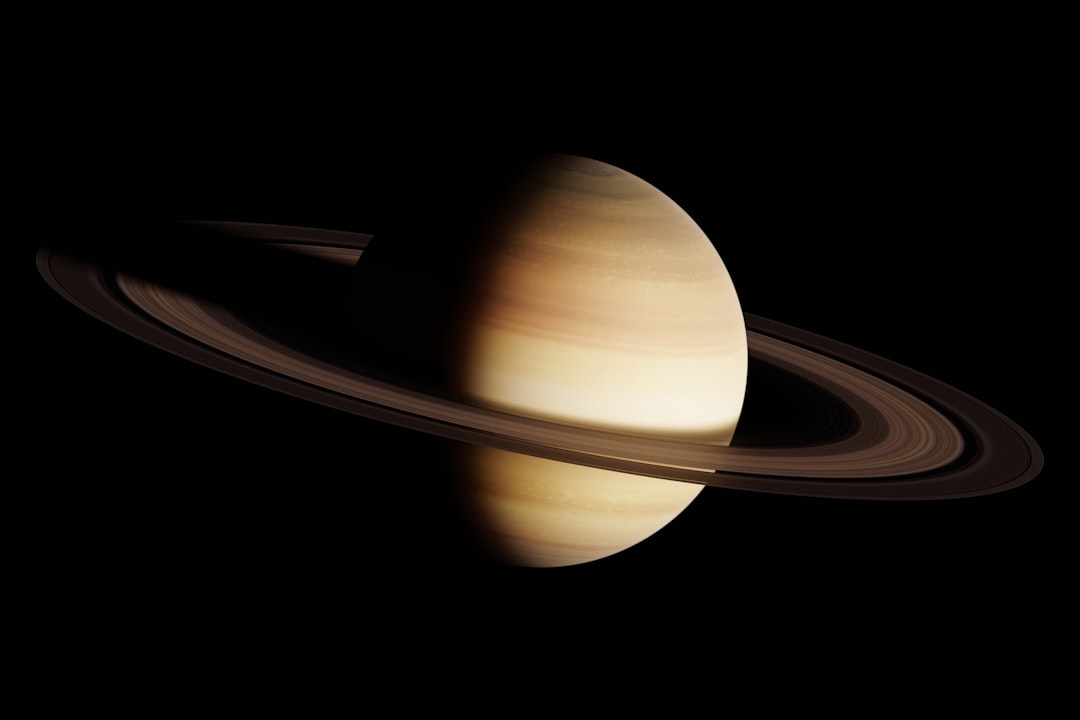
NASA unveils plans for Artemis lunar missions, commercial space stations, and a nuclear-powered Mars spacecraft under Trump's space agenda.
NASA has taken a pivotal step in shaping the future of U.S. space exploration with its newly unveiled agenda under President Trump’s administration. At a recent event at NASA’s headquarters in Washington, the agency presented major plans for humanity’s return to the Moon, renewed commercial space initiatives, and missions to explore Mars. These developments mark a shift in U.S. space priorities with an ambitious timeline aimed at rekindling public interest and global leadership in space.
Artemis Program Sends Humans Back to the Moon
The Artemis program is the cornerstone of NASA’s lunar ambitions, and its upcoming Artemis II mission targets a crucial milestone. Slated to launch on April 1, this mission will send four astronauts on a historic journey around the Moon and back. It will be the first crewed lunar mission since Apollo 17 in 1972, testing the capabilities of the Space Launch System (SLS) rocket and the Orion spacecraft. The Artemis II mission will orbit the far side of the Moon without landing before paving the way for lunar landings.
NASA’s long-term aim is clear: to establish a permanent human presence on the Moon by 2028. This includes building a sustainable Moon base, a project that would support scientific research and potential resource extraction. By perfecting lunar operations, NASA hopes to create a stepping stone for the eventual exploration of Mars.
Combating Past Inefficiencies
NASA Administrator emphasized the need to eliminate historical inefficiencies that have plagued the agency. Speaking at the event, he criticized past programs that failed to launch, wasted billions of dollars, and delivered subpar technology. The focus now is on creating a streamlined, goal-oriented space program that not only achieves scientific breakthroughs but also inspires public interest.
“Billions wasted, years lost. Non-conforming hardware delivered. Programs that never launched,” the administrator said. “The President doesn’t like it, and neither do the American people. We’re putting the focus back on bold, achievable goals for NASA.”
By addressing these shortcomings, the agency hopes to maintain momentum for its lunar missions and position itself as a leader in space exploration over the next decade.
Commercializing Low Earth Orbit
Another major element of NASA’s agenda is bolstering commercial activities in low Earth orbit (LEO). For more than 25 years, the International Space Station (ISS) has been the primary platform for microgravity research and human space presence. However, the ISS is set to be decommissioned by 2030.
To fill this void, NASA plans to encourage private companies to develop commercial space stations. The vision is to create multiple privately-operated platforms that will provide services ranging from research to space tourism. This commercial shift aims to reduce government expenses while allowing NASA to concentrate on deep-space missions. It also aligns with the broader trend of expanding the space economy and fostering innovation through public-private partnerships.
Mars Exploration Using Nuclear Technology
NASA’s Mars-centered initiatives under the Trump administration feature a bold technological leap. The Space Reactor 1 (SR1) Freedom spacecraft is being developed as a nuclear-powered vehicle designed for future Martian exploration. Its first uncrewed mission will release a fleet of drone helicopters on the planet’s surface to continue gathering data and mapping Martian terrain.
These efforts are designed to prepare for eventual human missions to Mars. This mission promises to build on the success of NASA’s Perseverance rover and Ingenuity helicopter by scaling up the capabilities for extended exploration. The SR1 Freedom spacecraft represents cutting-edge innovation, demonstrating the potential for nuclear technology in interplanetary travel.
Practical Implications for the Space Industry
Artemis Missions:
- Artemis II: Crewed mission to orbit the Moon in April 2024.
- Long-term goal: Permanent human base on the Moon by 2028.
Low Earth Orbit Plans:
- Transition from ISS to commercial space stations.
- Encourage private-sector innovation and reduce costs for NASA.
Mars Exploration:
- Development of SR1 Freedom, a nuclear-powered spacecraft.
- Deployment of robotic helicopter fleets to enhance data collection.
- Preparations for eventual human missions to Mars.
Takeaways
Under Trump’s administration, NASA’s roadmap reinvigorates the U.S. space program with ambitious goals. From sending humans around the Moon for the first time in 50 years to developing commercial space stations and exploring Mars with nuclear-powered spacecraft, the agency aims to solidify its leadership in space. The Artemis program, in particular, symbolizes the rekindling of lunar exploration and a step closer to deep-space colonization.
As NASA addresses inefficiencies of the past, its focus on public-private collaboration and innovative technologies signals a promising chapter in space exploration, with significant implications for the global space economy.
Comments
Loading comments…


