Why NASA's Budget Benefits Everyone: Five Reasons to Keep Funding Space Exploration
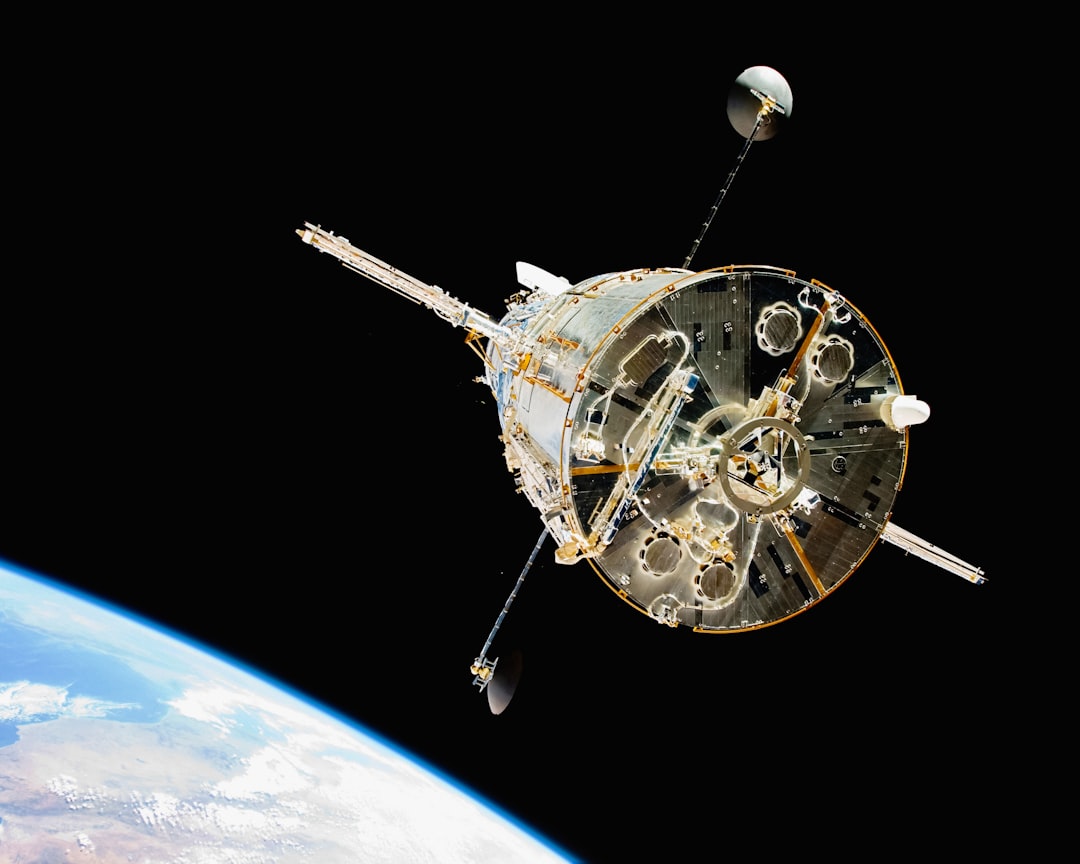
NASA's budget is less than half a penny per tax dollar, yet its projects provide immense global benefits. Here's why funding NASA is worth every cent.
NASA's role in space exploration often sparks debate about the value of its funding. While some argue that resources should instead address pressing issues on Earth, it's important to understand NASA's small share of the U.S. budget and the outsized benefits it provides. In this piece, we’ll tackle misconceptions and explore five compelling reasons to continue investing in NASA.
NASA's Budget in Perspective
One of the most common misconceptions about NASA is that it consumes a large portion of the federal budget. Polls show many Americans believe NASA receives up to 20% of the budget. The truth? NASA gets less than 0.5%—or less than half a penny for every tax dollar. To put it another way, most Americans contribute less than $9 per year to NASA's funding.
For comparison:
- 16% of the U.S. budget goes to military spending.
- Around 60% supports social programs like Medicare, Social Security, and unemployment assistance.
NASA’s small funding slice still yields significant benefits worldwide, making it a sound investment.
Five Reasons to Invest in NASA
1. Solving Problems on Earth
Many of NASA’s projects directly address global challenges. Take SMAP, the Soil Moisture Active Passive satellite, as an example. Launched in 2015, SMAP monitors soil moisture levels worldwide using advanced radiometer technology. By tracking water distribution, SMAP enables better drought prediction, flood management, and crop yield forecasting.
Countries in Africa, for instance, rely on SMAP data to improve agriculture and prepare for natural disasters. This empowers communities to sustain themselves rather than relying on short-term aid. With its free data-sharing policy, NASA ensures its resources are accessible to anyone who needs them.
Projects like SMAP exemplify how NASA goes beyond space exploration to foster global resilience and innovation.
2. Protecting Earth from Catastrophes
NASA plays a critical role in preventing earth-shattering events—literally. The agency monitors potentially hazardous asteroids and tests deflection methods. In October 2022, NASA completed its first asteroid redirection mission, known as DART (Double Asteroid Redirection Test). By ramming a spacecraft into an asteroid, NASA demonstrated the potential to alter its trajectory, a development that could one day save millions of lives.
Whether it’s asteroid impact prevention or addressing climate change through Earth science missions, NASA serves as a safeguard for humanity’s future.
3. Driving Technological Innovations
NASA’s contributions to technology extend well beyond space. The Jet Propulsion Laboratory (JPL) invented the pixel and early iterations of digital cameras while developing space imaging tools. GPS systems, satellite TV, and hurricane tracking all owe their existence to NASA’s advancements.
Nearly 2,000 NASA spinoff technologies have improved everyday life on Earth. From memory foam mattresses to water purification systems, NASA’s innovations deliver both convenience and lifesaving solutions.
4. Supporting the Economy and High-Skilled Jobs
Contrary to the idea that NASA spends its budget on building rockets and launching them into space, most of the funding supports skilled American workers. NASA provides tens of thousands of high-tech jobs, spurring economic growth in science, engineering, and related fields.
Private space companies like SpaceX and Blue Origin also play a role in pushing boundaries, but they focus primarily on commercializable ventures such as tourism and satellite launches. NASA’s focus on long-term, non-profitable initiatives like asteroid defense and climate monitoring fills a crucial gap that private companies don’t have the incentive to address.
5. Inspiring Humanity
Perhaps the most intangible yet essential benefit of NASA is its ability to inspire. Achievements like the Hubble Deep Space Telescope’s deep field images remind us of mankind’s desire to explore fundamental questions: How did the universe begin? Are we alone?
Exploration fuels imagination and optimism. It also plants seeds for the future. The next person to set foot on Mars may be a student in school right now, inspired by NASA’s missions. This aspirational value cannot be understated.
NASA Projects Yield Long-Term Payoffs
Comparing the cost of NASA programs to short-term benefits can be misleading. For example, SMAP's $900 million price tag might seem excessive. That amount could feed Africa for a single day—yet investing in tools that improve agricultural forecasting helps countries fight hunger sustainably for decades.
Similarly, early investments in space technology have paved the way for unforeseen developments, such as telecommunications improvements through satellites. Space exploration is an investment in the unknown discoveries that may define humanity's future.
| Program | Objective | Benefit |
|---|---|---|
| SMAP | Soil moisture monitoring worldwide | Early flood, drought, and crop alerts |
| DART | Asteroid redirection | Planetary defense |
| Hubble Telescope | Space imaging | Expanded understanding of the universe |
| GPS and satellites | Navigation and communication | Everyday convenience and safety |
Practical Takeaways
- NASA’s budget is modest, yet impactful: Less than 0.5% of the U.S. annual budget fuels programs that save lives and inspire innovation.
- Space exploration benefits Earth: Programs like SMAP prove that NASA’s work often addresses terrestrial challenges such as agriculture and disaster management.
- The private sector isn’t enough: Companies like SpaceX complement NASA’s efforts but aren’t incentivized to tackle issues like climate change or asteroid prevention.
- Inspiration matters: NASA encourages current and future generations to dream big and innovate.
Should We Keep Funding NASA?
The answer is clear: yes. NASA may not solve every problem immediately or directly, but its projects deliver far-reaching benefits. The technologies, insights, and employment generated by this agency are immense for such a small cost. Investing in NASA means investing in our planet, our safety, and our shared aspirations to go further.
Staff Writer
Emily covers space exploration, physics, and scientific research. Holds a degree in astrophysics.
Comments
Loading comments…


