3D Printing a Custom PC Case and CNC Router Table in AMD's $5,000 Ultimate Tech Upgrade
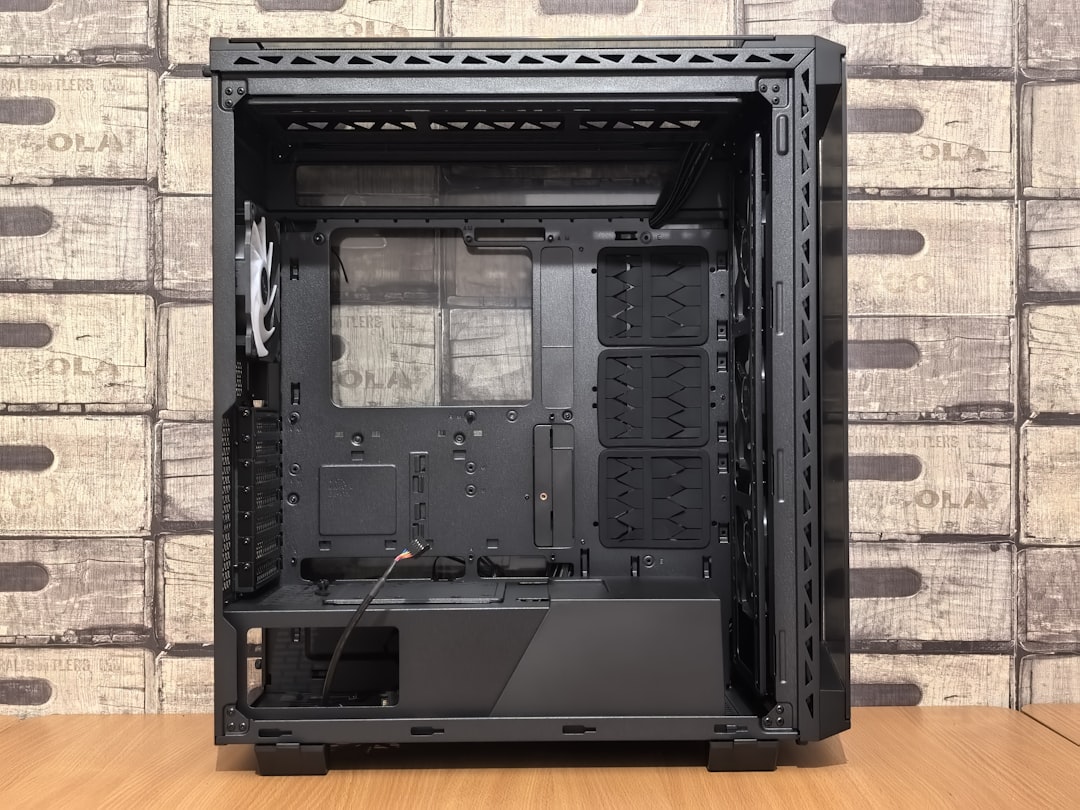
Nate from Linus Tech Tips designed a custom 3D-printed PC case and a homemade CNC router table with AMD's $5,000 upgrade. Here's how he pulled it off.
When it comes to building a PC, most users head to a store or online marketplace and pick out a case. Nate, a product designer and team member at Linus Tech Tips (LTT), took a wildly different route. Courtesy of AMD's $5,000 Ultimate Tech Upgrade, Nate not only created a 3D-printed PC case to house his new gaming rig but also tackled an ambitious homemade CNC router table. Here’s how he deployed his engineering skills and AMD’s hardware to create a tech wizard’s dream.
A Unique Approach to a Custom PC Case
Most people wouldn’t know at first glance that Nate’s striking PC case is entirely 3D-printed. Its clean, professional design could be mistaken for a commercially manufactured case. Utilizing a Prusa Core 1 3D printer, which he’s owned for a few months, Nate created a fully customized enclosure for his new AMD-powered setup. He even printed the drive sleds, proving that DIY ingenuity can rival — or even surpass — off-the-shelf options.
For Nate’s upgrade, AMD supplied a Ryzen 7 9800X3D processor, one of the best gaming CPUs currently available. Known for its exceptional gaming performance and well-rounded capabilities, it’s an excellent option for multitasking beyond gaming. Paired with 32GB of DDR5 RAM, the build was designed to handle a NAS (Network-Attached Storage) project alongside other household needs.
Challenges in the Build
One key challenge in building a custom setup like this is compatibility. During the assembly process, the fan placement and case dimensions required creative adjustments. For example, RAM heat spreaders obstructed the fan’s fit, and electrical tape or soldering techniques became necessary to fine-tune component placements.
Additionally, this 3D-printed case came with unique demands, such as cutting brass standoffs to fit the motherboard properly. These hurdles required hands-on problem-solving — and Nate’s understanding of hardware ensured these obstacles were handled with DIY expertise.
Building a CNC Router Table from Scratch
Nate’s home wasn’t just filled with PC components. As part of his $5,000 Ultimate Tech Upgrade, he also tackled a CNC router table, complete with custom hardware and electronics. Unlike buying a pre-built machine, the DIY approach added personal touches but didn’t necessarily save money. Nate admitted that building a CNC system from scratch is now only “slightly cheaper” than buying one outright.
Hardware Details
The CNC router features a powerful 3.2 kW spindle capable of 24,000 RPM, making it suitable for tasks like furniture and woodworking projects. The spindle is managed through a Raspberry Pi 5 compute module with RS485 communication. This setup allows Nate to control cutting speeds and spindle adjustments via LinuxCNC software. Achieving precision in projects requires tweaking spindle RPMs and optimizing axis motor speeds, a skill garnered from Nate’s engineering experience.
Why DIY a CNC Router Table?
For Nate, the decision came down to customization and control over the design. Instead of relying on off-the-shelf options, he tailored the CNC table to meet his specific needs, including using custom servo drives for axis control. The table even featured a router spindle — a niche but integral component for the type of furniture-grade accuracy Nate desired. Challenges like 3D printing brackets and organizing cable management were all just part of the process.
Upgrading the PC with AMD Hardware
The showstopper here is the new AMD Ryzen 7 9800X3D processor. It’s a powerhouse when it comes to gaming and multitasking. With the latest 3D V-Cache technology built into the CPU, gameplay is smoother than ever — a must for a Factorio marathon or other simulation games Nate enjoys.
The full upgrade included:
- CPU: AMD Ryzen 7 9800X3D
- Motherboard: ASUS B58A Gaming Wi-Fi
- Memory: 32GB DDR5 RAM (paired with Nate’s existing supply)
- Storage: 4TB of NVMe space
- NAS Configuration: A 4-drive RAID 5 setup with an open-source Hexos storage system
NAS Configuration for Family Data
Protecting family memories like photos and videos was another focus of the project. Nate chose to create a small form-factor NAS using multiple 8TB drives. To minimize potential drive failures, he opted for two different brands of hard drives to prevent all drives failing simultaneously due to identical batch manufacturing issues.
The cooling system for the NAS ran into issues common with compact designs. The fan positioning required adjustments, but Nate’s simple workaround — leaving one fan off temporarily — highlights the priorities of DIY builds: function over perfection.
Cost Comparison: DIY vs Store-Bought
Nate addressed a common question in this project: is building cheaper than buying? While creating the CNC router and 3D-printed PC case offered customization options, the cost savings were marginal. For example:
| Component | DIY Cost (Approx.) | Store-Bought Equivalent |
|---|---|---|
| CNC Router Table | Equal or slightly cheaper | Pre-built models start at $2,500 |
| 3D-Printed PC Case | Filament cost + $12 files | Cases from $100 – $500 |
| Ryzen 7 9800X3D Build | Covered by AMD, $5,000 total donated | Off-the-shelf builds vary |
The takeaway? DIY enthusiasts like Nate trade some time and effort for the satisfaction of creating something uniquely tailored to their requirements.
Practical Takeaways
For those considering custom designs:
- 3D Printing Flexibility: A 3D printer, like the Prusa Core 1 Nate used, opens up endless possibilities for personalized tech setups.
- CNC Creativity: DIY CNC projects are great for gaining precision but require serious effort and planning.
- AMD Hardware: The Ryzen 7 9800X3D isn’t just a gaming superstar — its performance can support multitasking setups like NAS or home labs effectively.
Conclusion
Nate’s $5,000 AMD upgrade shows what’s achievable when creativity meets cutting-edge hardware. From a CNC router table to a fully 3D-printed PC case, every component in this project highlights the power of DIY ingenuity. While store-bought options remain viable, the personalized results and learning experience of DIY builds make them a worthwhile pursuit for tech enthusiasts.
Thanks to AMD, Nate’s setup is more than just a PC upgrade; it’s a testament to how far engineering expertise can take a home project.
Staff Writer
Sarah reports on laptops, wearables, and the intersection of hardware and software.
Comments
Loading comments…


