A Unique Effort to Replace Lead Pipes, One Metal Jerry Can at a Time
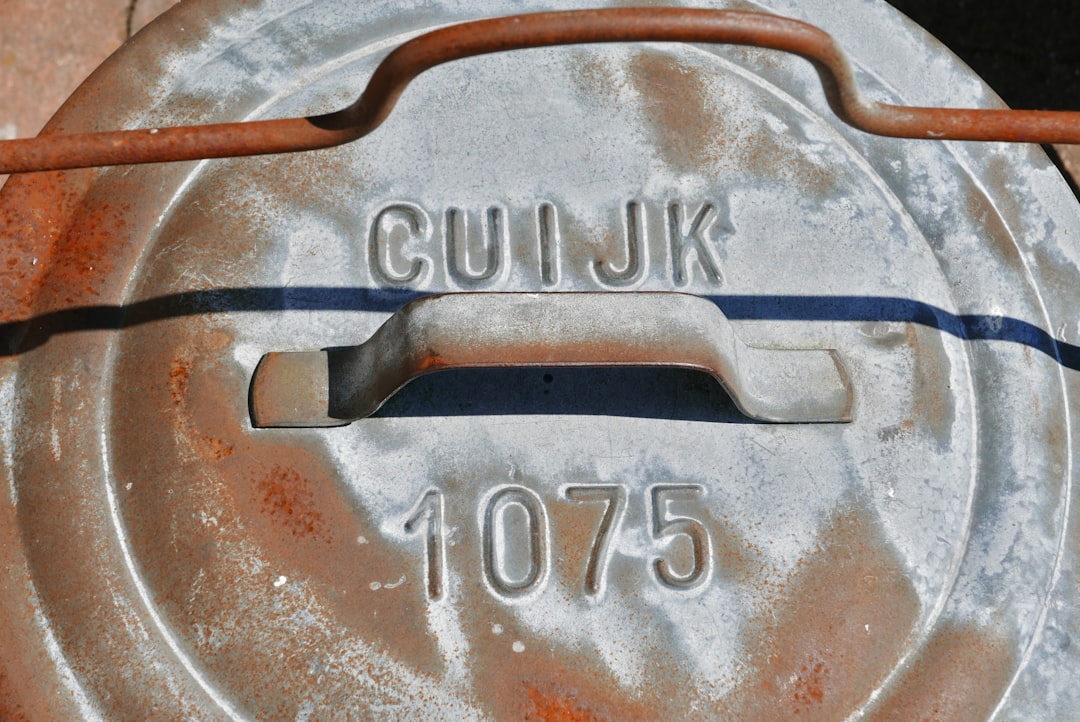
A new initiative aims to replace lead pipes across the U.S. by selling UV-treated water in eco-friendly metal jerry cans.
Over 30 million American residents face a significant public health threat every day: lead-contaminated drinking water. Despite growing awareness around the risks associated with lead exposure—especially among children—the process of replacing lead pipes in older homes and infrastructure is moving at a frustratingly slow pace. Now, one entrepreneur is using an unconventional approach to accelerate the process: selling UV-treated water in reusable metal jerry cans.
The Metal Jerry Can Initiative
The initiative is designed with two main goals: reducing reliance on single-use plastics and using the profits to replace lead pipes across the United States. The product itself—a metal jerry can filled with UV-treated, ozonated mountain spring water—is as practical as it is mission-driven.
To provide an alternative to plastic water bottles, which have significant environmental consequences, these metal containers offer a more sustainable choice. According to the water's creator, the jerry cans use 90% less plastic than their disposable counterparts. Plus, the use of metal ensures that the water remains cleaner and colder over time—a quality that could come in handy during emergencies.
Each jerry can is priced at $166. While this may seem expensive compared to standard water bottles, the pricing makes sense when you consider its reusable nature, emergency-readiness focus, and the promise that 100% of the net profits will go toward replacing lead pipes in older homes.
Why Addressing Lead Pipes Matters
Lead pipes have been a persistent problem since the mid-20th century as awareness of lead poisoning increased. Lead in drinking water poses serious health risks, especially to children, whose developing brains are highly susceptible to damage from prolonged exposure. Lead poisoning can cause cognitive impairment, developmental delays, and long-term neurological issues.
While some cities, such as Flint, Michigan, have drawn national headlines for lead contamination, the issue is by no means concentrated in one region. It affects aging infrastructure nationwide, including urban, suburban, and rural areas. The task of replacing all lead pipes across the country is both labor-intensive and expensive, with many communities struggling to find funding solutions. The jerry can initiative offers a creative way to help address the issue by funneling profits directly toward replacement efforts.
Emergency Preparedness and Eco-Friendly Design
The jerry can isn’t just for homeowners in need of cleaner water. Its design lends itself to emergency preparedness. UV treatment combined with ozonation extends the water’s shelf life, meaning it remains safe to drink for an extended period—an important feature for natural disasters or survival scenarios.
From an ecological perspective, the decision to use metal rather than plastic aligns with growing consumer interest in sustainable products. Single-use plastic bottles are one of the largest contributors to global pollution and require immense amounts of energy to manufacture. The shift toward reusable containers could help cut down on the billions of disposable bottles tossed out each year.
A Balancing Act: Price, Profit, and Purpose
With a price tag of $166 per jerry can, the product appeals to a niche market willing to invest in high-quality, multi-use water storage. While some may balk at the cost, the dual promise of supporting U.S. infrastructure and reducing plastic waste helps justify the investment for environmentally and socially conscious consumers.
The bold decision to donate all net profits to replacing lead pipes sets this initiative apart from typical commercial ventures. It represents a hybrid business model that combines consumer retail with philanthropy, potentially laying the groundwork for other industries and causes to follow suit.
Other Offerings: A Fun Diversion
While the main focus is the jerry can of UV-treated water, the announcement also hints at an energy drink developed “just for fun.” The energy drink offering may seem like a quirky outlier, but it could attract additional customers, particularly those seeking alternatives to typical sugary beverages.
What’s Next?
The success of this initiative depends on a few variables: consumer uptake, operational costs, and the ultimate ability to make meaningful contributions to lead pipe replacement projects. However, its innovative approach signals hope in tackling an overwhelming problem by breaking it down into actionable steps.
At its heart, the effort also underscores a growing trend in consumer goods—products with a social mission beyond profit. Whether it’s solving the lead pipe crisis or addressing broader environmental concerns, the practice of tying commercial success to meaningful change may influence how other companies structure their business models in the future.
Staff Writer
Sarah reports on laptops, wearables, and the intersection of hardware and software.
Comments
Loading comments…


