Building a Gaming PC in Brazil: Challenges and Creative Workarounds
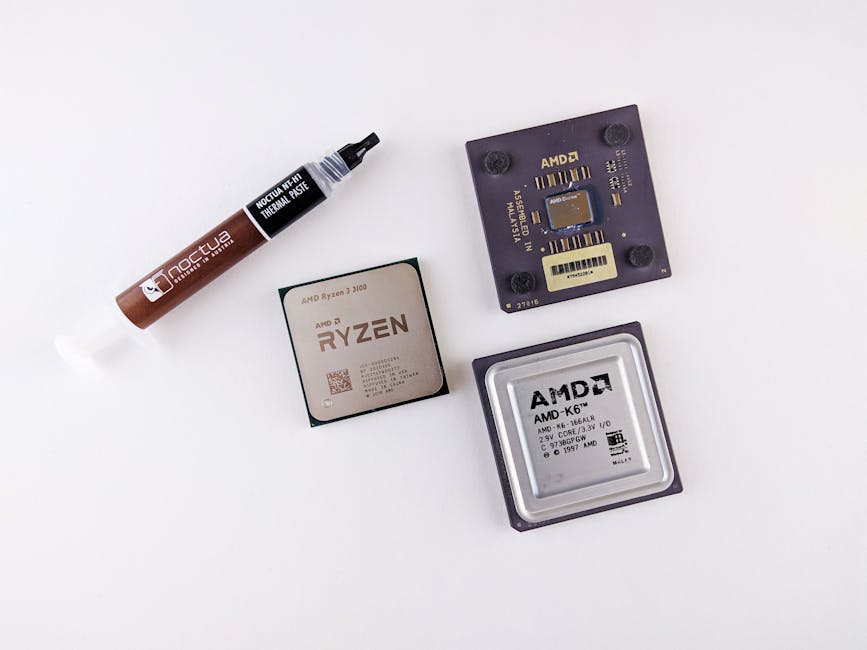
Exploring the unique challenges and strategies of building gaming PCs in Brazil, where tariffs and local hardware dominate the market.
Building a Gaming PC in Brazil: Costs, Creativity, and Challenges
High tariffs and economic policies make assembling a gaming PC in Brazil significantly different from other regions. From white-label motherboards to locally tailored processors, Brazilian gamers and tech enthusiasts face unique hurdles and innovative solutions when putting together a system. This article delves into the details of creating two very different gaming PCs, both using parts sourced in Brazil, and the creative strategies people use to navigate the financial and logistical challenges.
The Issue of High Tariffs on Electronics
For decades, Brazil has implemented substantial import tariffs on electronics, sometimes reaching as high as 93%. This protectionist policy is intended to stimulate domestic production but creates a landscape where international components are prohibitively expensive. As a result, tech enthusiasts rely on local brands, white-label manufacturers, or alternative solutions like AliExpress for older, refurbished, or budget components.
Compared to the United States or Europe, where building a PC might involve heading to Newegg or Amazon, shopping in Brazil means finding creative ways to save costs. This can include using parts that are assembled locally to take advantage of tax exemptions, relying on brands unique to Brazil, or even exploring gray market options.
Two Approaches to Brazilian PC Building
To explore Brazil's unique market, two systems were built: a mid-tier PC reflective of a typical Brazilian enthusiast's choice and a barebones budget system optimized for affordability.
Ricardo’s "Bougie Brazilian Build"
Ricardo, a local resident and PC novice, built a machine with components often considered premium by local standards:
- Motherboard: Super Frame B450M, a white-label rebranded ASRock board, benefited from assembly in Brazil to reduce taxes.
- CPU: AMD Ryzen with 3D V-Cache, a model exclusive to Latin America, tailored for affordable local pricing without competing with wealthier international markets.
- Memory: 16GB of DDR4 RAM at 3200 MT/s, offering better performance for modern titles.
- Storage: Kingston NV2 NVMe SSD, reliable and widely available in Brazil.
- Case and Cooling: Super Frame mid-tower case with tempered glass and a 360mm RGB AIO cooler, purchased for $140 combined.
- Power Supply: 800W Dux Pulse, offering reasonable performance despite some deficiencies in rigorous power load tests.
- Graphics Card: NVIDIA RTX 3060, optimized for mid-tier gaming and esports titles.
This setup cost over $300, a significant investment for the average Brazilian family. However, it delivered strong performance in modern gaming with higher graphical settings.
The Budget Build
The second build aimed to offer the most affordable experience possible while still delivering playable gaming performance:
- Motherboard: Zesus (a white-label brand), refurbished from server hardware to feature modern capabilities like M.2 SSD compatibility.
- CPU: A 12-core Intel Xeon processor from a previous server generation.
- Memory: Generic 16GB ECC DDR4 RAM at 2133 MT/s.
- Storage: Kingston NV2 SSD, shared with the premium build.
- Case and Cooling: A $29 Gamer Ninja unit with RGB lighting and a basic Gamdias heatsink.
- Power Supply: BRX 650W, which underperformed in lab tests.
- Graphics Card: AMD Radeon RX 580, a widely available GPU due to its popularity in the crypto mining era.
This system cost just under $100, but as expected, its performance lagged significantly behind Ricardo's build, particularly in graphically intensive titles like Cyberpunk 2077.
Price and Performance Comparison
| Component | Ricardo's Build | Budget Build |
|---|---|---|
| Motherboard | Super Frame B450M | Zesus refurbished board |
| CPU | Ryzen with 3D V-Cache | Intel Xeon 12-core |
| Memory | 16GB DDR4 (3200 MT/s) | 16GB DDR4 (2133 MT/s) |
| Storage | Kingston NV2 (512GB) | Kingston NV2 (512GB) |
| Case & Cooling | Mid-tower with 360mm RGB AIO cooler | Gamer Ninja case with cooler |
| Power Supply | Dux Pulse 800W | BRX 650W |
| Graphics Card | NVIDIA RTX 3060 | AMD RX 580 |
| Total Cost | $300+ | ~$100 |
Testing both systems on gaming titles revealed that the higher-cost system provided 2–4 times better performance, but even the budget PC delivered a surprisingly playable experience for esports games.
Esports and Casual Gaming
Budget-conscious Brazilian gamers often prioritize popular esports games like League of Legends and CS:GO, which are less hardware-intensive. The budget system ran them well, albeit at reduced resolutions and settings. For more demanding titles like Cyberpunk 2077, the budget PC struggled, while Ricardo’s build managed respectable settings and frame rates.
Key Challenges of Building PCs in Brazil
- Tariffs: Import duties on electronics over $50 can double the price of components.
- Limited High-End Hardware: White-label and rebranded parts are common, but high-performance components are rare due to low demand and production.
- Cultural Adaptations: Brazilians often buy hardware piecemeal to reduce tariffs or rely on travelers to import components in luggage.
- Installment Payments: With tight budgets, most purchases are made in installments, often with hidden interest fees.
Takeaways for PC Builders in High-Tariff Markets
Building a PC in Brazil requires flexibility, patience, and resourcefulness. Here are some practical tips:
- Shop Locally Assembled Brands: Manufacturers like Super Frame offer legitimate alternatives to international brands at reduced costs.
- Prioritize Upgradability: Opt for components compatible with older but expandable platforms, such as AM4 motherboards.
- Focus on Esports Titles: If budget constraints limit hardware performance, prioritize games that require fewer resources.
- Use Installment Plans Wisely: Be mindful of hidden costs and aim for discounted upfront payments when possible.
Conclusion
The Brazilian PC market presents a complex landscape shaped by high tariffs and limited access to global components. Ricardo’s more premium build showcased the level of performance possible with locally optimized parts, while the budget build highlighted the extreme resourcefulness required to assemble a PC on a tight budget. While building a gaming rig in Brazil involves significant obstacles, it also highlights the creativity and determination of its enthusiasts, who find ways to make gaming accessible despite the odds.
Comments
Loading comments…


