Framework Laptop 12 vs. MacBook Neo: A Detailed Comparison of Design, Features, and Usability
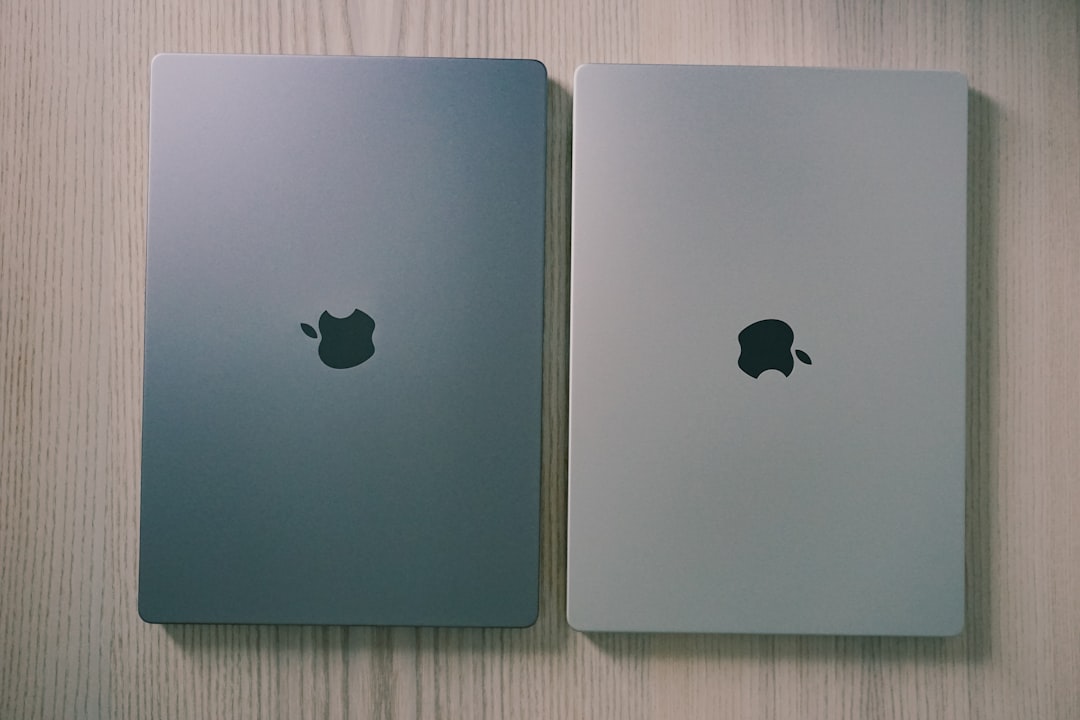
The Framework Laptop 12 and MacBook Neo both aim to deliver sub-$1,000 computers with premium features. Here's how they compare in design, performance, and repairability.
Introduction
Apple and Framework appear to be on a similar mission: crafting sub-$1,000 laptops that feel premium rather than compromised. Apple’s MacBook Neo and the Framework Laptop 12 aim to provide robust hardware, exceptional usability, and reliability without exceeding the budget-friendly mark. In this article, we'll dive into how these two machines compare in terms of design, materials, usability, and repairability—based on hands-on competitive analysis.
Design and Build Quality
Materials and Finishes
The MacBook Neo uses Apple’s signature CNC aluminum body, which is thinner and lightweight, but surprisingly less structured than traditional MacBook Air and Pro models. Apple has adopted a stamped rather than fully CNC-machined approach, saving both cost and raw materials while maintaining a sleek visual appeal.
Meanwhile, the Framework Laptop 12 opts for overmolded PCABS plastic with TPU bumpers, emphasizing durability and modularity. The design caters to a younger or more utility-driven audience—available in bold colorways such as "Bubblegum Pink," which stands in stark contrast to the more muted aesthetic of the Neo’s understated pink finish.
Key Takeaway: While the MacBook Neo continues Apple’s tradition of elegant aluminum builds, the Framework Laptop 12 leans on innovative and durable materials to support its modular ethos.
| Feature | Framework Laptop 12 | MacBook Neo |
|---|---|---|
| Material | PCABS with TPU bumper | Stamped CNC Aluminum |
| Aesthetic | Bold color options | Subtle, minimalist |
| Durability | High | Moderate |
Fit and Finish
Despite differences in material, both laptops prioritize robust construction. Users will find neither device flimsy despite their reduced cost. However, the MacBook Neo’s reliance on a thinner D cover has some drawbacks, such as less structural support, requiring additional design elements like more clips and fasteners to maintain panel alignment. Framework’s injection-molded design avoids these pitfalls entirely.
Usability: Keyboard, Touchpad, and Hinges
Keyboard Performance
When it comes to typing experience, Framework earns major points. The Laptop 12 features 1.5mm key travel, a standout figure in this price range, making it more comfortable for long typing sessions. In contrast, the MacBook Neo’s keyboard has shallow travel, reminiscent of earlier Apple designs that users criticized for lacking tactile feedback.
Touchpad Comparison
While Apple is known for its advanced touchpads on premium MacBooks, the Neo opts for a cost-saving yet mechanically innovative design. Its "click anywhere" architecture allows uniform actuation across the surface without relying on more expensive haptic mechanisms. However, users may find the varying click depth inconsistent depending on the touchpoint. Framework uses a simpler traditional click pad, which boasts easier repairability thanks to its design.
Hinges and Lid Angle
The MacBook Neo suffers from a limited lid angle, restricting versatility in use cases like cramped spaces or unconventional working positions. The Framework Laptop 12’s 360-degree hinge, supporting tablet mode, adds significant utility, especially for creative users and travelers.
Key Takeaway: Framework excels in functional design, offering better system usability, while Apple sacrifices some features for aesthetics and cost efficiency.
Display: Brightness and Customization
Display quality often separates good laptops from great ones, and here, the differences come down to panel brightness and customization. The MacBook Neo offers a custom 500-nit panel made exclusively for this model, ensuring vibrant visuals. The Framework Laptop 12 uses a 400-nit off-the-shelf screen—a solid performer, though not as bright or specifically tuned as Apple’s.
For most indoor use, both displays will satisfy, but in brighter conditions, such as outdoors, the added brightness of the MacBook Neo becomes advantageous.
Key Takeaway: Apple continues to leverage its supply chain to offer display quality unmatched at its price point, while Framework meets user expectations via modular pragmatism.
| Feature | Framework Laptop 12 | MacBook Neo |
|---|---|---|
| Screen Brightness | 400 nits | 500 nits |
| Custom Design | No | Yes |
| Aspect Ratio | Standard off-the-shelf | Fully customized |
Repairability and Design Philosophy
Framework’s Modular Approach
Framework’s design philosophy focuses squarely on repairability. The Laptop 12 features labeled, QR-coded internal components and captive screws—a user-friendly inclusion for DIY repairs. With a T5 screwdriver included in the box, users can replace parts using standardized tools and modular components.
Apple’s Design Choices
While Apple has made strides in sustainability, using stamped aluminum and reducing raw materials, the MacBook Neo still relies on proprietary tools (e.g., P5 screws) and uses a non-captive internal design. While third-party kits exist to bridge this gap (thanks to iFixit), the Framework’s user-first design remains far superior in terms of repairability.
Battery Replacement Both laptops take different approaches to battery design. The Framework Laptop 12’s 50Wh battery offers a step-by-step, tool-free removal process. Apple includes a smaller 36Wh battery but compensates with high-efficiency internal systems to maintain solid battery life.
Key Takeaway: Framework delivers the industry-leading modularity and repairability consumers expect, while Apple makes incremental improvements but sticks to its proprietary ecosystem.
| Aspect | Framework Laptop 12 | MacBook Neo |
|---|---|---|
| Battery Capacity | 50Wh | 36Wh |
| Repair Tools Included | Yes | No |
| Screw Type | Captive Torx | Proprietary Pentalobe |
| QR-code Components | Yes | No |
Environmental Impact
One area where both companies converge is their commitment to environmental sustainability. By introducing stamped aluminum, Apple reduces wasteful machining, demonstrating a smaller carbon footprint than its previous designs. Similarly, Framework’s focus on modularity extends the product’s lifecycle by simplifying upgrades and repairs, meaning fewer electronics end up in landfills.
Conclusion: Which One is Better for You?
Both the Framework Laptop 12 and the MacBook Neo offer compelling features within a sub-$1,000 price category. The Framework Laptop 12 shines with its repairability, superior keyboard, 360-degree hinge, and modular design philosophy. For those prioritizing longevity and customization, it’s the clear choice.
The MacBook Neo utilizes Apple’s mastery in display quality and speaker engineering, as well as their brand’s signature minimalist design ethos. For users embedded in the Apple ecosystem, it remains an attractive entry-level device.
Ultimately, the decision hinges on your priorities. If you value modularity, repairability, and a more tactile experience, the Framework Laptop 12 is your best bet. For those who care about display quality and don’t mind proprietary limitations, the MacBook Neo delivers solid performance with a focus on aesthetics.
Staff Writer
Sarah reports on laptops, wearables, and the intersection of hardware and software.
Comments
Loading comments…


