How Channel Lock Forges Millions of Pliers Each Year
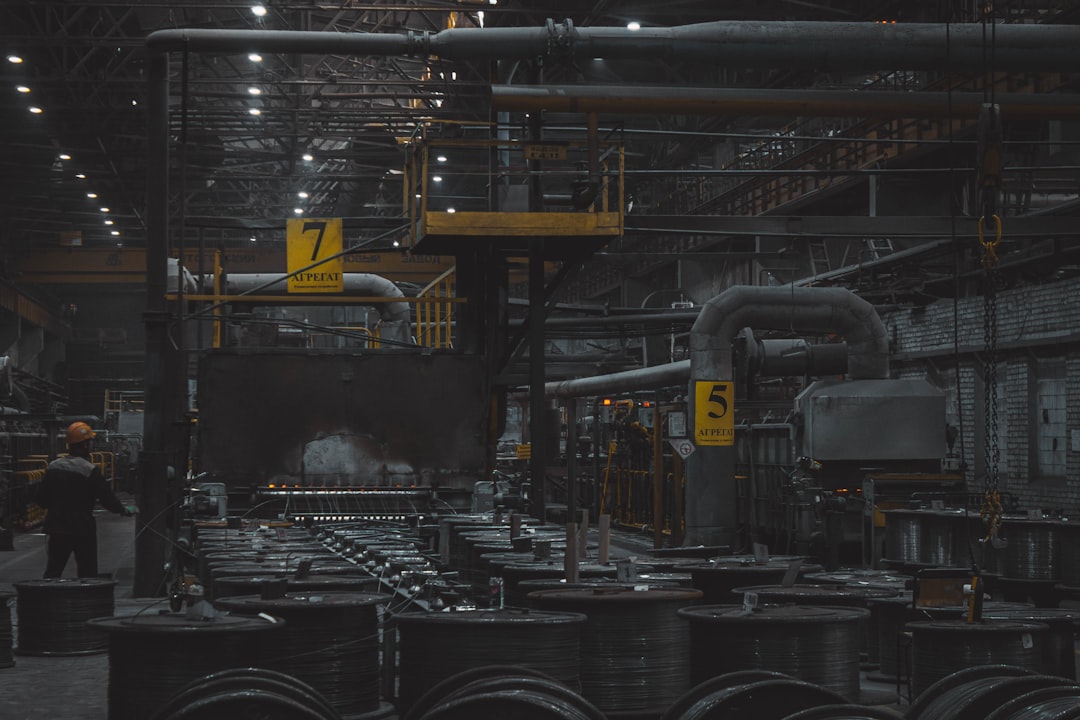
Discover how Channel Lock employs drop hammers, heat, and precision engineering to manufacture pliers at an astonishing scale.
Manufacturing tools might not seem particularly exciting on the surface, but a closer look at Channel Lock's production process reveals a fascinating blend of power, precision, and sheer industrial scale. Channel Lock, a respected name in hand tools, produces millions of pliers every year, and the journey from raw metal to finished tool is as intriguing as it is efficient. Here’s a detailed look at the process that transforms unassuming metal rods into the indispensable pliers found in toolboxes worldwide.
Forging the Foundation
At the heart of Channel Lock’s manufacturing process is the massive drop hammer—a mechanical powerhouse designed to shape red-hot metal with precision. Contrary to the dramatic chaos one might imagine, the hammering process is anything but random. Instead, the drop hammer uses a carefully designed mold to sequentially shape the circular metal rod. Each impact adds defined features to the heated metal, moving step by step toward the distinctive rough form of the pliers.
Temperature plays a critical role at this stage. To make the metal malleable, it is heated to extreme temperatures before the hammer begins its work. Once cooled, the metal would harden and resist further shaping. This means speed is essential; the entire forging process must be completed swiftly before the material loses its pliability.
However, the drop hammers come with challenges of their own. The ground beneath these mechanical behemoths takes an incredible beating. Over time, the repeated impacts erode the foundation, requiring Channel Lock to periodically rebuild it. These maintenance demands underscore the immense forces involved, but with millions of tools to produce annually, the company has made such upkeep part of its routine.
Addressing Work Hardening: The Annealing Process
The forging process, while necessary, introduces a complication: work hardening. As the metal parts are repeatedly stamped and shaped, they develop internal stresses and become more resistant to further machining. To resolve this issue, Channel Lock employs a process known as annealing.
The entire batch of forged parts is placed into a furnace, where they are rapidly reheated. Annealing softens the material by relieving the internal stresses accumulated during forging. This step ensures that the metal is once again pliable and prepared for the precise machining required to transform it into a functional tool.
Precision Engineering: Punching, Milling, and Machining
With the metal now softened, the next steps involve meticulous reshaping and customization. First, the iconic channel for which the pliers are named is punched out. This groove allows the user to adjust the opening of the pliers, letting them grip objects of varying sizes with ease.
Machining then takes over to refine key functional components. Pivot points are meticulously milled, as is the tongue-and-groove mechanism essential to the tool’s adjustable functionality. Watching this stage in person reveals an astounding level of uniformity. Each component must meet tight tolerances to ensure that once assembled, the pliers function as intended—smoothly, reliably, and with the durability that Channel Lock customers expect.
Assembly and Final Touches
After machining, the pliers’ two halves are carefully paired and sent through polishing processes, including a belt sander, to achieve a clean and finished surface. At this stage, the Channel Lock logo is laser-etched onto each tool, reinforcing the brand’s legacy of craftsmanship.
The final step in the assembly process involves permanently joining the two sides of the pliers. A large rivet, designed for strength and durability, is pressed into place with precision. This rivet not only holds the halves together but ensures that the tool will withstand the rigors of daily use.
Why It Matters
Channel Lock’s approach to manufacturing highlights the intricate balance between brute force and fine precision necessary in modern tool production. Every stage of the process is essential, from the titanic drop hammers to the delicate milling machines. And while some steps might appear repetitive, they are vital to achieving the quality and scale that define Channel Lock’s name.
By continuously refining their processes and maintaining their equipment, Channel Lock can mass-produce tools that remain remarkably consistent in quality. This consistency is part of why the company has become a trusted name—not only for professionals but for hobbyists as well.
A Look Ahead
As manufacturing technologies evolve, Channel Lock’s ability to adapt will be critical. While the current process relies heavily on age-old techniques like forging and annealing, advances in automation, metallurgy, and machine learning could introduce exciting innovations to the world of toolmaking. For now, however, witnessing the transformation of raw steel into finely crafted pliers is a testament to the ingenuity and dedication that underpins modern manufacturing.
Whether you're a DIY enthusiast or a professional mechanic, the next time you hold a pair of Channel Lock pliers, remember the sheer power, heat, and expertise that went into making it. It's not just a tool—it’s a marvel of engineering.
Staff Writer
Alex covers consumer electronics, smartphones, and emerging hardware. Previously wrote for PCMag and Wired.
Comments
Loading comments…


