Biodegradable tech promises gadgets that dissolve after use
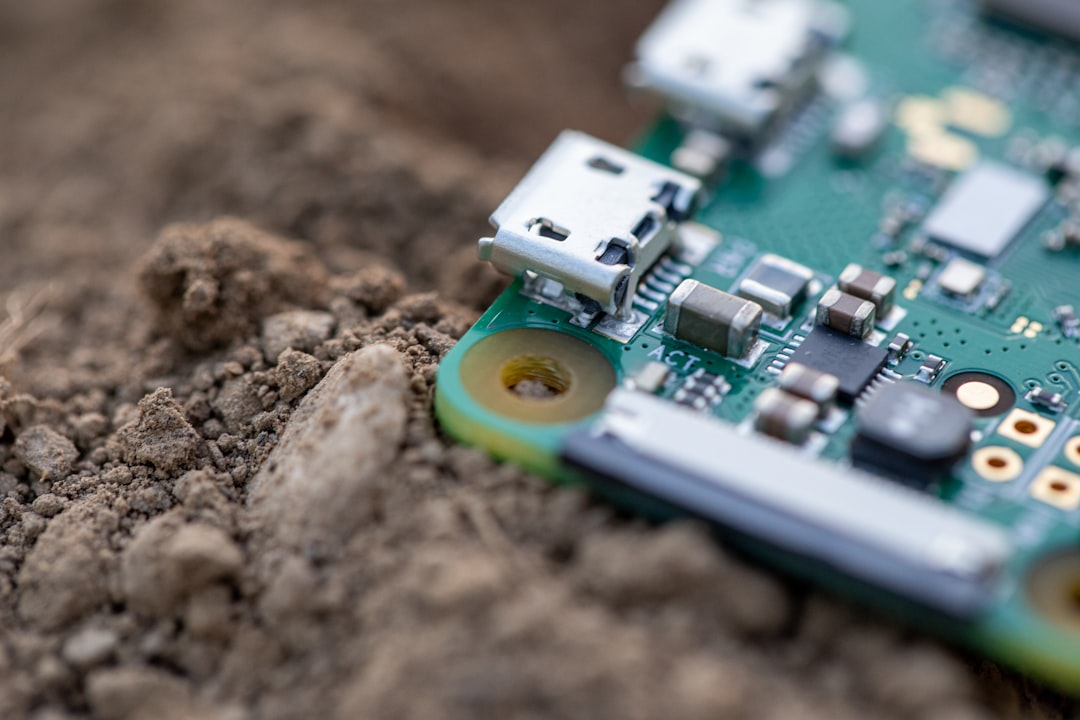
Biodegradable electronics are revolutionizing tech with devices that safely dissolve after use, aiming to reduce e-waste and benefit the environment.
Modern electronics undeniably fuel our daily lives, but their environmental toll is significant. The production and disposal of gadgets generate growing amounts of e-waste, a problem that biodegradable tech aims to resolve. Scientists and engineers are now crafting electronic devices capable of safely dissolving after use, offering a greener alternative to landfills.
How biodegradable tech works
Biodegradable electronics are built from materials designed to break down in natural environments such as soil or water. This process involves the use of substances like organic polymers, cellulose, and even silk. Researchers have also created circuits and batteries that degrade without harmful residue, paving the way for comprehensive eco-friendly functionality in devices such as phones, medical sensors, and other commonly discarded gadgets.
For example, particular emphasis has been placed on engineering devices that maintain functionality during their use period but disintegrate into harmless particles as soon as their job is done. In laboratory environments, materials like magnesium, zinc, and water-soluble plastics have demonstrated this potential, breaking down within controlled settings.
Applications: From medical sensors to phones
Biodegradable tech isn't limited to just one corner of the electronics industry. Medical devices are a key contender, with transient sensors that monitor patients’ vitals and vanish after completing their task. This type of tech eliminates the need for retrieval surgeries, making medical processes safer and less invasive.
Now imagine a phone or electronic sensor that dissolves in water after disposal, leaving behind no trace in the environment. Such concepts push not only environmental sustainability but also security, as sensitive data stored on such devices would physically disintegrate with the product itself.
Tackling e-waste: Why it matters
Current estimates suggest that over 50 million tons of e-waste are generated globally each year, with much of it ending up in poorly regulated waste-management facilities. Toxic components like lead, arsenic, and mercury seep into natural ecosystems, contaminating soil and water. Biodegradable electronics offer a proactive approach to reducing this environmental footprint.
By intentionally designing devices to vanish, manufacturers can help prevent long-term environmental damage while driving consumer awareness about sustainability. Though still in its infancy, this approach may lead the industry towards a necessary overhaul in product design principles.
Industry challenges
While the concept of biodegradable devices is groundbreaking, there are clear hurdles. Developing commercially viable and reliable materials that degrade efficiently in diverse environments remains a key challenge. Additionally, ensuring these transient devices meet performance standards comparable to conventional electronics is essential for consumer adoption.
Moreover, production scaling represents a bottleneck. The infrastructure for manufacturing biodegradable materials is not yet widespread, meaning costs may initially remain high. Integrating these technologies into mass-market gadgets also requires cooperation among major industry players, which can be slow-moving.
The next frontier: A sustainable future
Biodegradable electronics represent not just a technological leap but also a shift in mindset. Instead of prioritizing durability for decades, these devices embrace purposeful impermanence. For consumers, this means considering the broader ecological impact of the gadgets they use.
As researchers fine-tune methods to stabilize and enhance materials for these products, we may soon see widespread adoption in everything from wearable medical sensors to everyday smartphones. Until then, these innovations serve as a reminder that the path to sustainable tech is an ongoing journey, not an instant transformation.
Staff Writer
Alex covers consumer electronics, smartphones, and emerging hardware. Previously wrote for PCMag and Wired.
Comments
Loading comments…


